Getting there
Şanlıurfa GAP Airport (GNY) connects mainly to Istanbul, with a smaller number of other domestic routes. Intercity buses also reach Şanlıurfa from major Turkish cities. Confirm current routes and schedules before booking.
Southeastern Türkiye
Where building began
Şanlıurfa pairs some of humanity’s earliest monumental sites with a living bazaar culture, sacred traditions, and the wide landscapes of southeastern Türkiye.
Shape your stay
Start with the time this destination realistically needs, then choose the details that make it yours.
Every published place in one city guide
A short first look answers “what belongs in my day?” before the full guide and verified connections.
Every published place in one city guide
Start with the essentials, add what genuinely interests you, and leave the rest for another visit. Every place includes a concise story, practical timing, a Maps link, and a one-tap route planner action.
Make the route work
Şanlıurfa GAP Airport (GNY) connects mainly to Istanbul, with a smaller number of other domestic routes. Intercity buses also reach Şanlıurfa from major Turkish cities. Confirm current routes and schedules before booking.
Balıklıgöl and the old bazaar around Gümrük Han are walkable from most central hotels. Göbekli Tepe (about 15km) and Harran (about 45km) sit outside the city and need a taxi, tour, or car — public transport to both is limited.
Carry a payment card and some Turkish lira for the bazaar and smaller vendors. Museum and site prices can change, so confirm the official rate before travelling.
Mobile coverage is generally reliable in the city centre. It can weaken around Harran and other rural sites outside town, so download offline maps in advance.
Şanlıurfa is a religiously significant and conservative city. Dress modestly, especially around Balıklıgöl and other active religious sites, and be respectful of worshippers and local customs.
Şanlıurfa is a well-visited city with normal urban precautions and strong summer heat. It also sits within Türkiye's southeastern border region, so check your government's current travel advisory for this area before booking.
Essential
If you only have one day, this is the day.
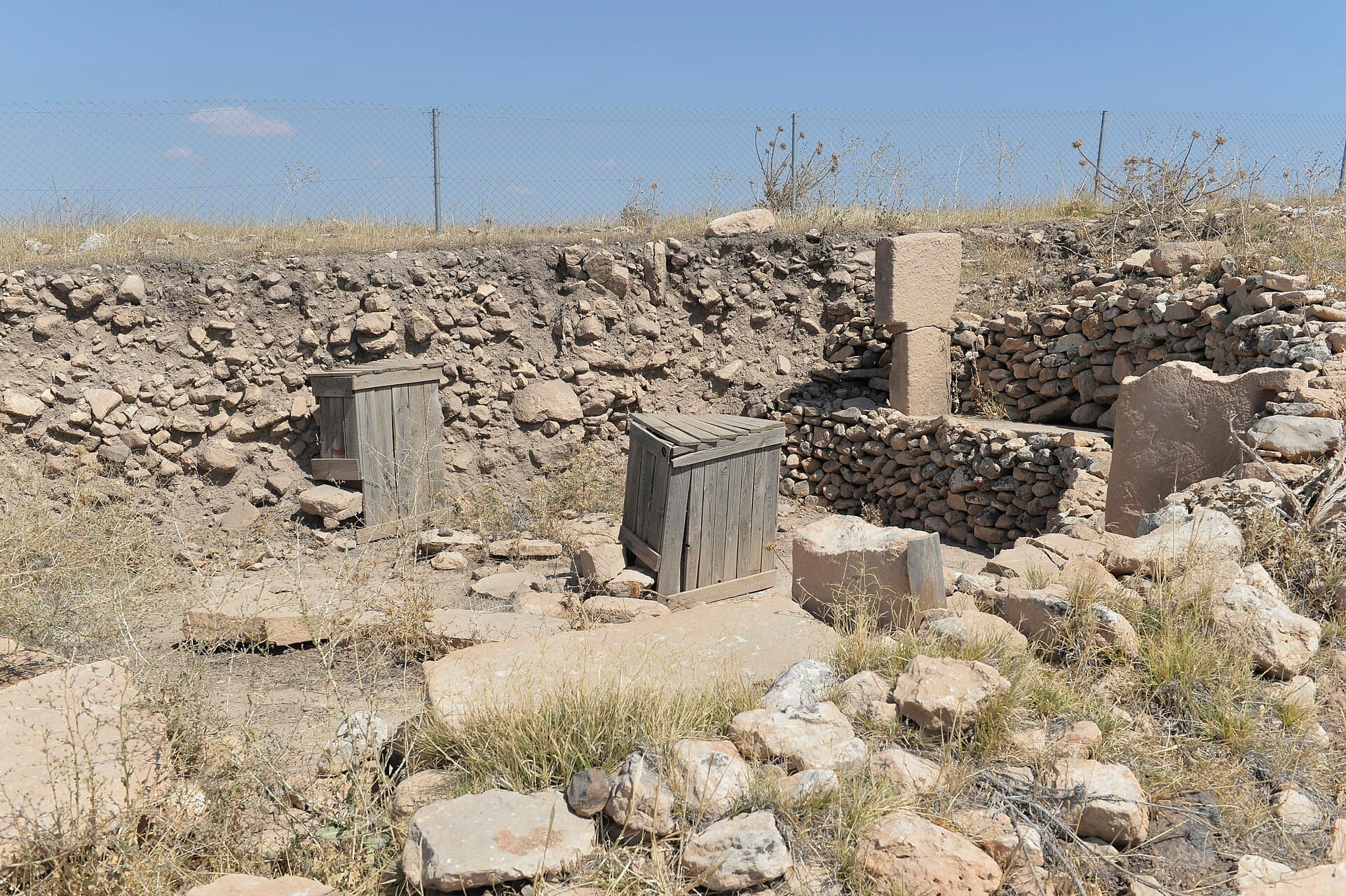
Stand beside the world's oldest monumental architecture — stone circles raised by hunter-gatherers over eleven thousand years ago.
Excavated from the 1990s under Klaus Schmidt, Göbekli Tepe reversed the old idea that farming came before temples. Hunter-gatherers cut and raised T-shaped limestone pillars, some over five metres, into ringed enclosures carved with foxes, snakes and vultures. That such effort came before settled farming reshaped how we explain the Neolithic, and won UNESCO status in 2018 as the anchor of the Taş Tepeler landscape.
€20 for foreign visitors (2026, DÖSİMM); free with the Museum Pass Türkiye, which pays off if you also see Karahantepe and the Şanlıurfa museum. Confirm on muze.gov.tr.
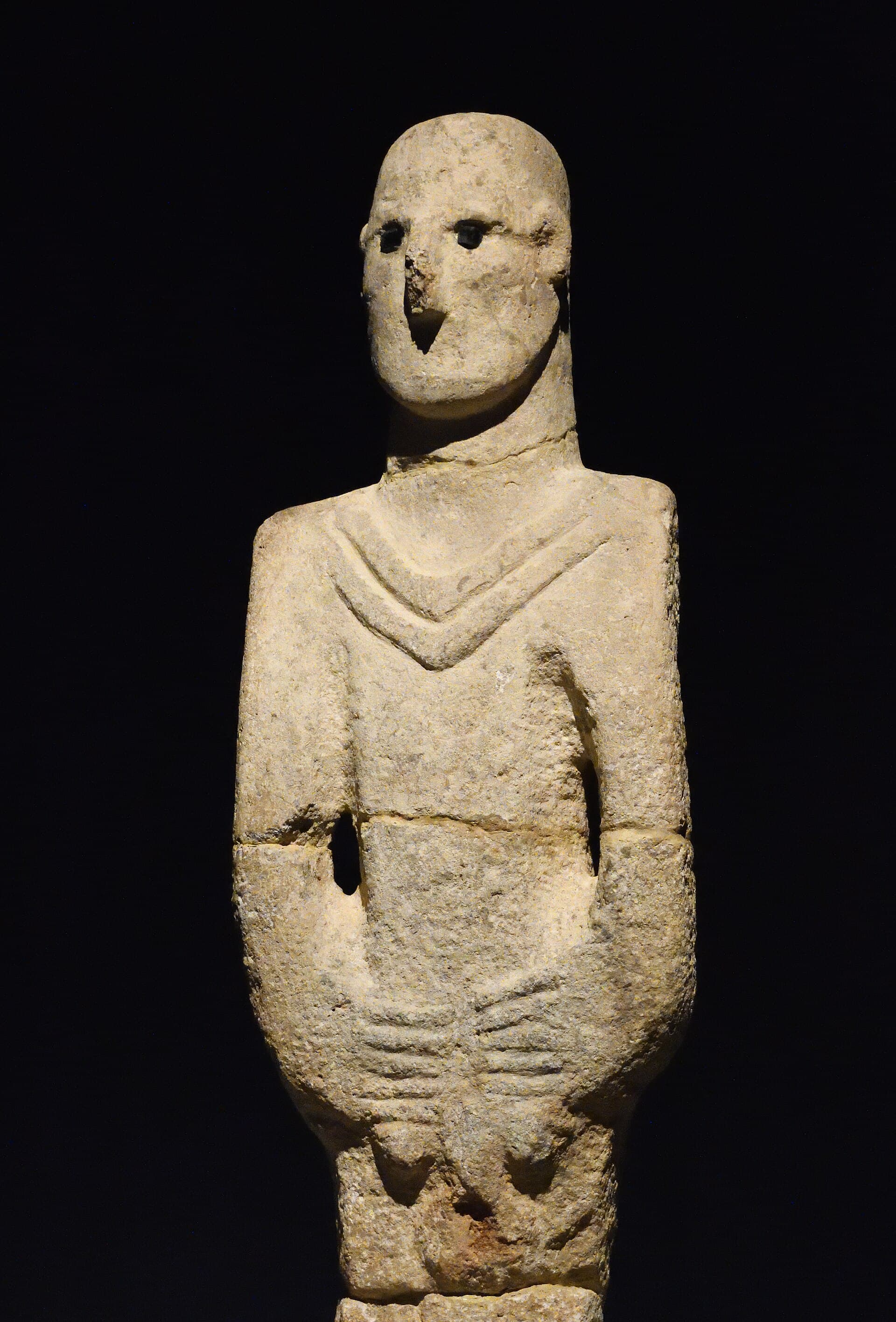
Where the finds behind the Neolithic revolution live — including 'Urfa Man', the oldest life-size human statue on earth.
One of Türkiye's largest museums (2015), it shows the finds from Göbekli Tepe, Karahantepe and the Taş Tepeler sites in context. Its centrepiece, the 11,000-year-old Balıklıgöl Statue ('Urfa Man'), has obsidian eyes and no mouth. Halls from Assyrian to Islamic times carry the story on, and the adjoining Haleplibahçe Mosaic Museum, on the same ticket, holds late-Roman mosaics.
€10 for foreign visitors (2026, DÖSİMM), which also covers the adjoining Haleplibahçe Mosaic Museum; the Museum Pass Türkiye covers both plus Göbekli Tepe. Confirm on muze.gov.tr.
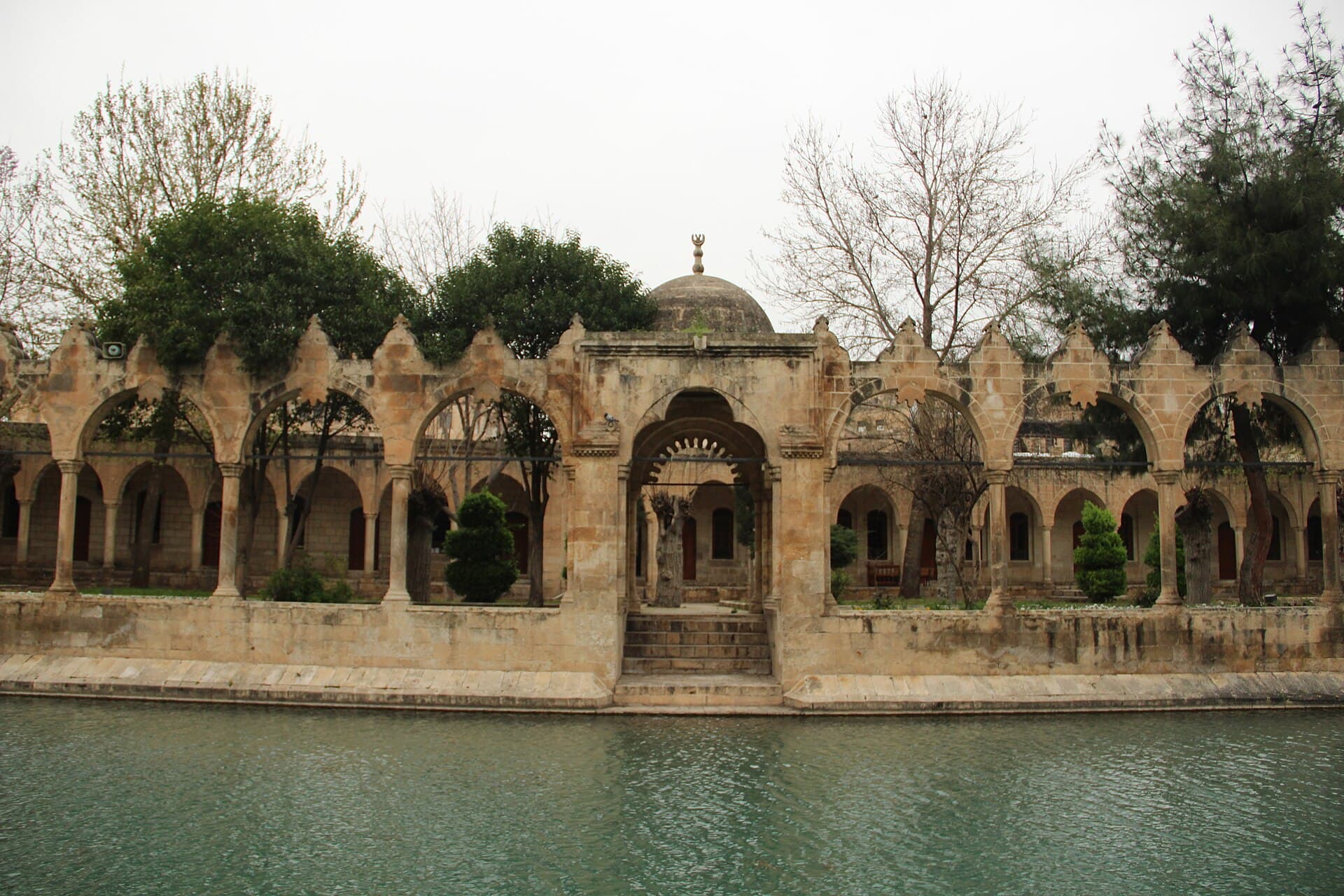
Feed the sacred carp in the pool where, by legend, Abraham fell into fire and the flames turned to water.
Balıklıgöl, the pool of sacred fish, makes Şanlıurfa's identity as a holy city tangible. Legend says Nimrod cast Abraham from the citadel into a fire that God turned to water, the embers to the carp that still fill it. The Halil-ür Rahman (13th c.) and Rızvaniye (1736) mosques frame the water; the citadel's twin columns rise behind — a working sacred place, not a monument.
Free. The pools, the surrounding gardens, and the Rızvaniye and Halil-ür Rahman mosques are all free to enter; the Cave of Abraham's Birth within the complex is also free (modest dress, separate men's/women's entrances).
Worth your time
A second day earns you these.
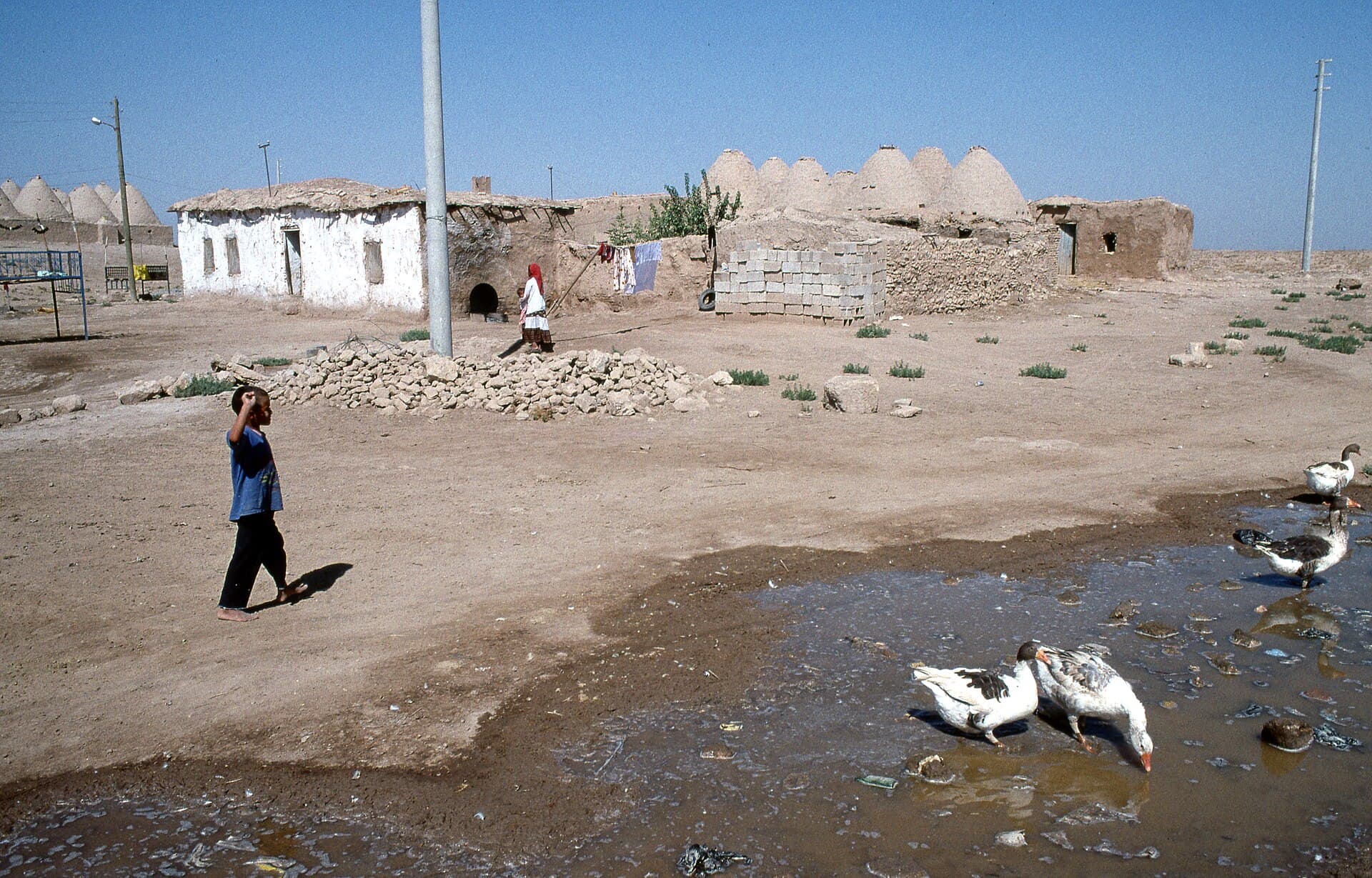
Beehive houses and the first Islamic university on a plain named in Genesis — currently closed to visitors for earthquake repair.
Harran layers three stories: biblical (Abraham dwelt here), scientific (its scholars advanced astronomy and medicine, and its Grand Mosque is called the first Islamic university, with Anatolia's oldest minaret), and vernacular (conical mud-brick 'beehive' houses that stay cool in fierce summers). City walls, the Aleppo Gate and a citadel mound complete it; earlier, Harran was the cult centre of the moon god Sîn.
Free. Archaeological ground free to walk; family-kept beehive houses may ask a small entrance or tip. (Currently closed — see status.)
Spend an evening inside Urfa's cherished 'night in turn': music, hand-kneaded çiğ köfte, and talk that runs late.
Sıra gecesi, the 'night in turn', is Şanlıurfa's signature ritual. Friends once hosted one another in strict rotation through autumn and winter, blending live music, poetry, structured talk and a communal kneading of çiğ köfte, with respect between young and old. The music is Urfa's gazel and hoyrat on bağlama and kaval. Recognised as living heritage, visitors join a hosted version in a han.
A set dinner-with-music evening at a han venue is priced per person and varies by venue and season — confirm and book directly (a private commercial price, not a fixed public fee). The living tradition among locals is free and private; what visitors attend is the hosted version.
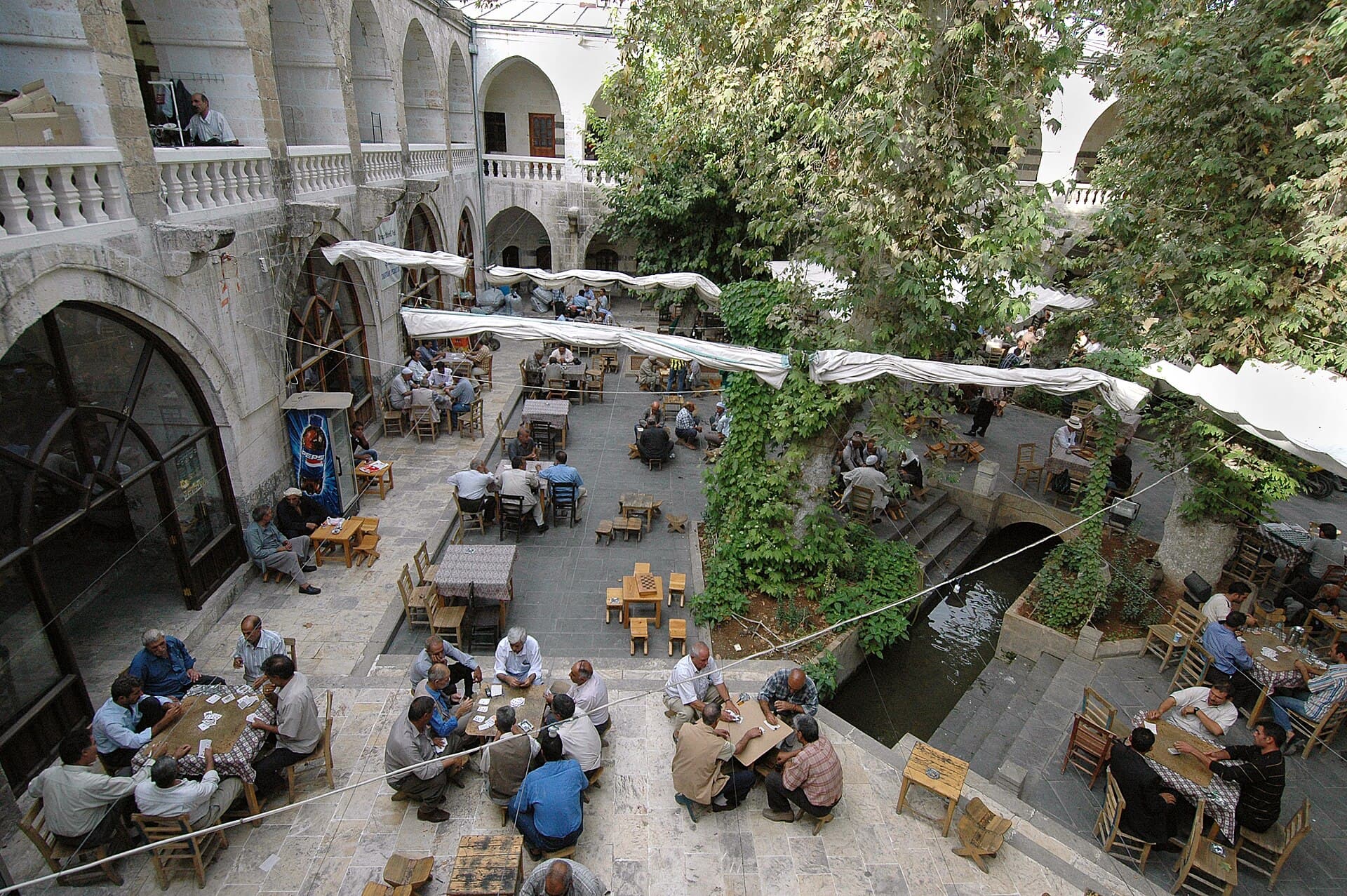
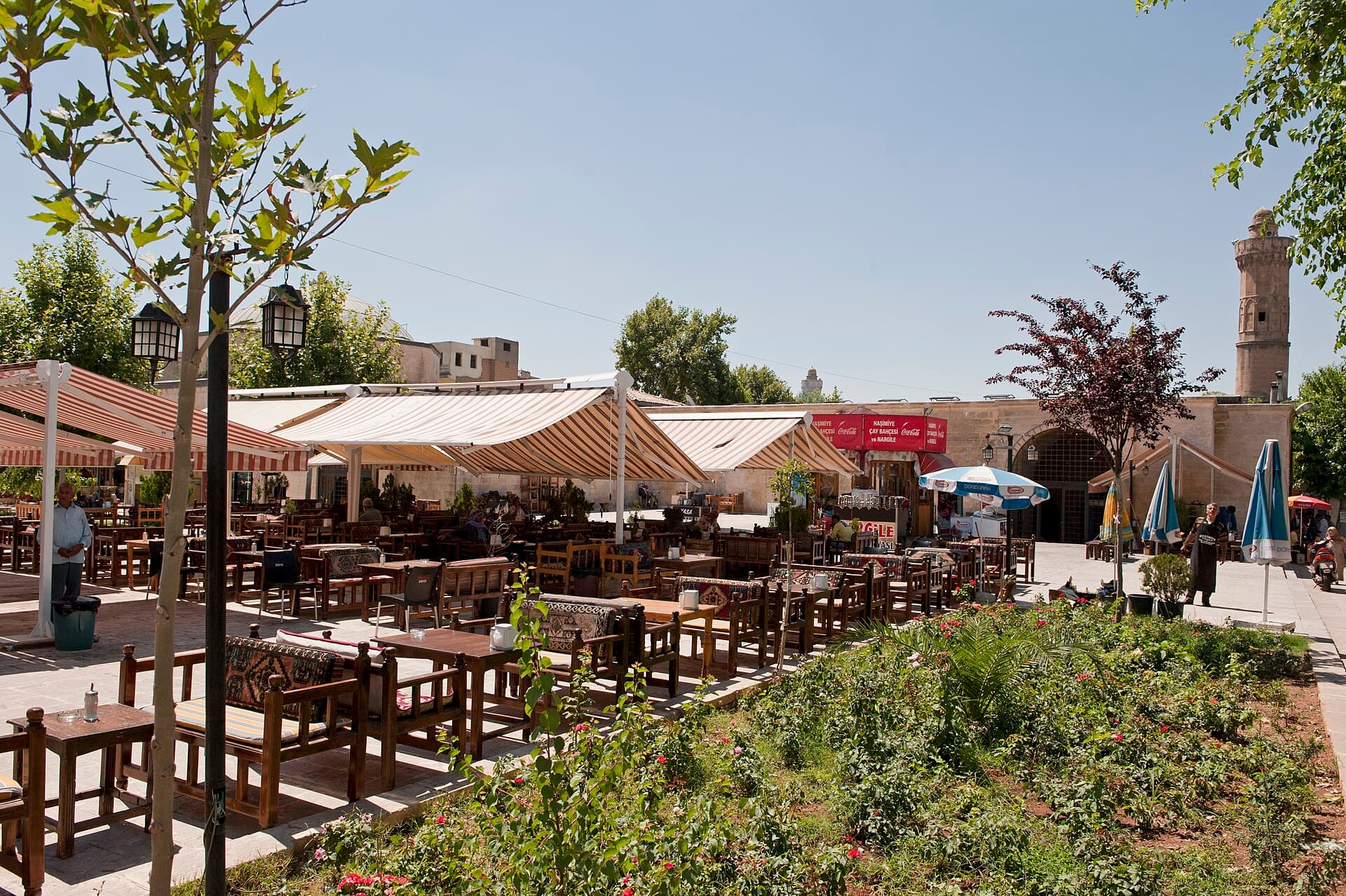
Follow the coppersmiths' hammers and roasting menengiç coffee through a working Ottoman market, not a souvenir arcade.
The old bazaar is a knot of specialised markets and hans grown up beside the sacred pools over Ottoman centuries. Its heart is the 16th-century Gümrük Hanı, the customs han, its courtyard now a shaded tea house. Lanes are named for their trades — coppersmiths and kazan cauldrons, isot-pepper sellers, felt-makers, the Bedesten — and many stalls run generations deep. Vaulted and cool, it trades as built.
Free to wander. Bring cash for tea, coffee, spices and copperwork.
If you have longer
Keep these compact stops in mind when you build your trip.
Halfeti lies on the Euphrates west of Şanlıurfa. Reservoir waters transformed the riverside landscape, and boat trips now connect viewpoints and partly submerged structures with settlements along the shore.
Karahantepe is one of several Neolithic sites under investigation in the Şanlıurfa region. Excavations have revealed monumental features and carved stone, expanding the archaeological context beyond Göbekli Tepe.
Rızvaniye Mosque forms part of the architectural ensemble around Balıklıgöl. Its Ottoman-period fabric and position along the pool help define the character of the sacred precinct.
Local tradition identifies this cave near Balıklıgöl as the birthplace of the prophet Abraham. It remains a devotional space, so its significance comes from continuing belief and practice rather than archaeological proof.
Soğmatar preserves remains from several periods in a dry landscape southeast of Şanlıurfa. Rock-cut chambers, reliefs, and inscriptions are associated particularly with the site’s Roman-period religious significance.
The citadel hill has been used and altered across many periods. Its most recognisable surviving features are two tall columns visible from the Balıklıgöl complex below.
Getting there and away
Door-to-door times and fare ranges, checked leg by leg. Only routes where every leg verified are listed.
Türkiye, for scale
See this destination in the wider shape of Türkiye.