Şanlıurfa bazaar (Gümrük Han)
Follow the coppersmiths' hammers and roasting menengiç coffee through a working Ottoman market, not a souvenir arcade.
Enough context, no spoilers
Why it matters
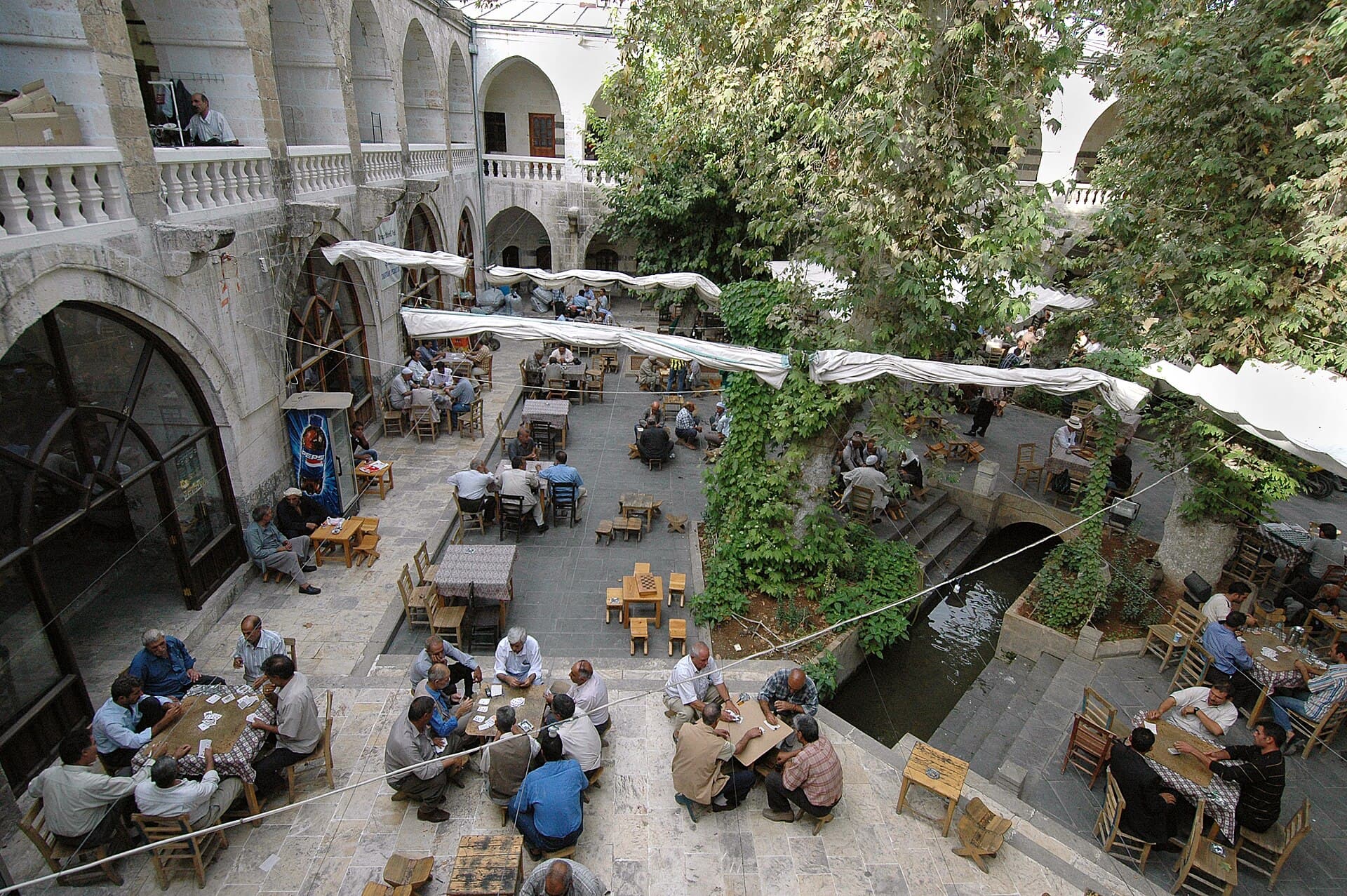
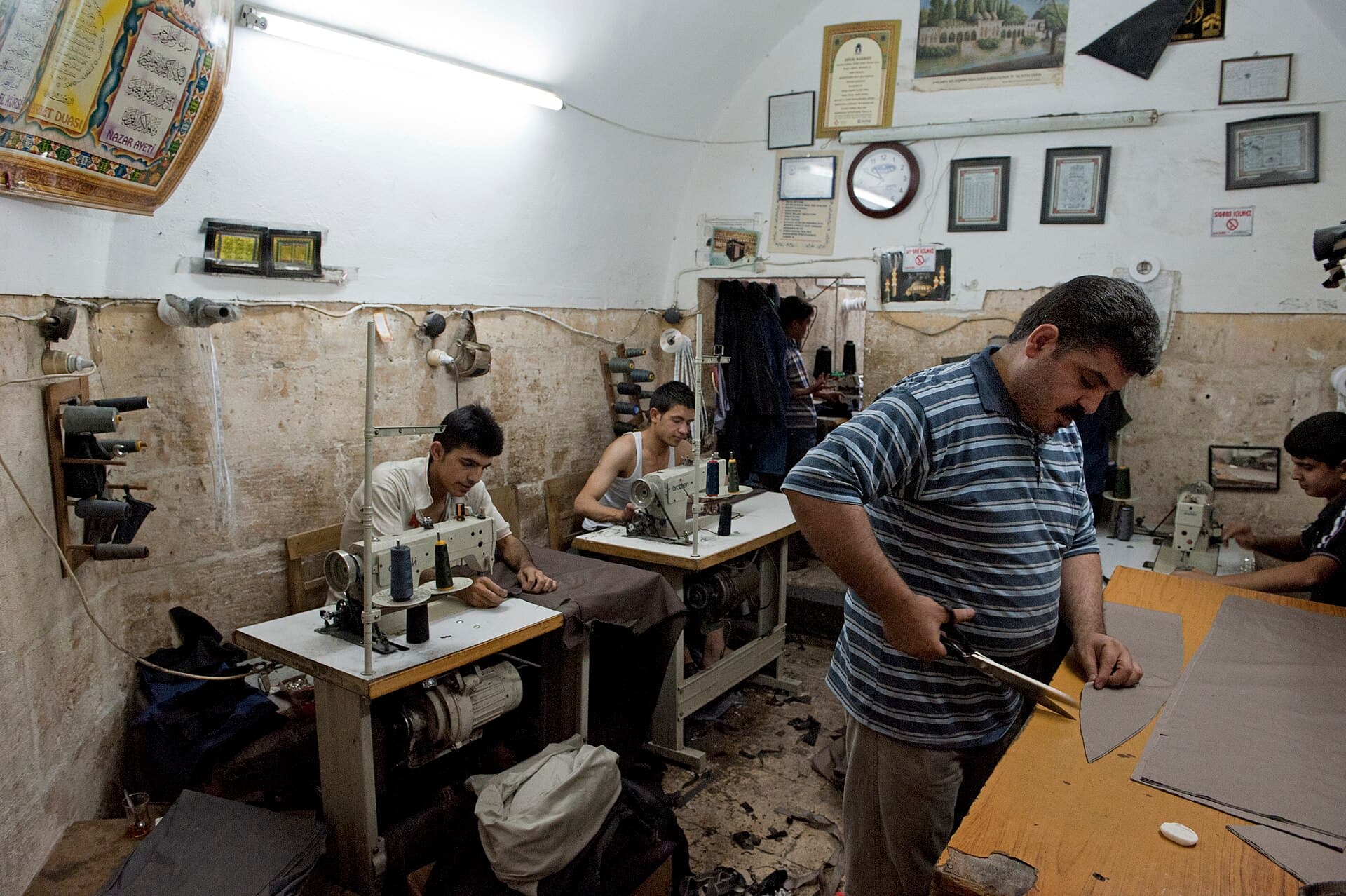
The old bazaar is a knot of specialised markets and hans grown up beside the sacred pools over Ottoman centuries. Its heart is the 16th-century Gümrük Hanı, the customs han, its courtyard now a shaded tea house. Lanes are named for their trades — coppersmiths and kazan cauldrons, isot-pepper sellers, felt-makers, the Bedesten — and many stalls run generations deep. Vaulted and cool, it trades as built.
What to know before you go
Give it a slow two hours and let the market, not a map, set your route — the point of a bazaar like this is to get pleasantly lost, and the connected lanes will keep handing you a new trade around each corner. Begin in the morning, when the coppersmiths are working and deliveries are arriving, and know that the whole quarter goes quiet around Friday midday prayer, so plan around that if you want it lively. Because the lanes are covered and shaded, this is the one Şanlıurfa stop that stays comfortable in high summer, which makes it the natural midday move between hotter open-air sites. Everything here is free to wander; you only spend if you want to, so carry cash for a glass of tea in the han, a bag of isot, a copper keepsake actually made on the spot, or a plate of the city's famous çiğ köfte kneaded in front of you. It sits inside the historic core, a short walk from Balıklıgöl (about twenty-five minutes) and only a few minutes from the hans where sıra gecesi evenings are held, so the sensible plan is to fold the bazaar into the same on-foot half-day as the pools and to let it run into the evening — tea and copper by day, music and food by night, without ever needing a taxi. If you want to buy, a little patience and a smile go further than hard bargaining here: this is a neighbourly market, and the fair price comes with the second glass of tea.