Şanlıurfa Archaeology Museum
Where the finds behind the Neolithic revolution live — including 'Urfa Man', the oldest life-size human statue on earth.
Enough context, no spoilers
Why it matters
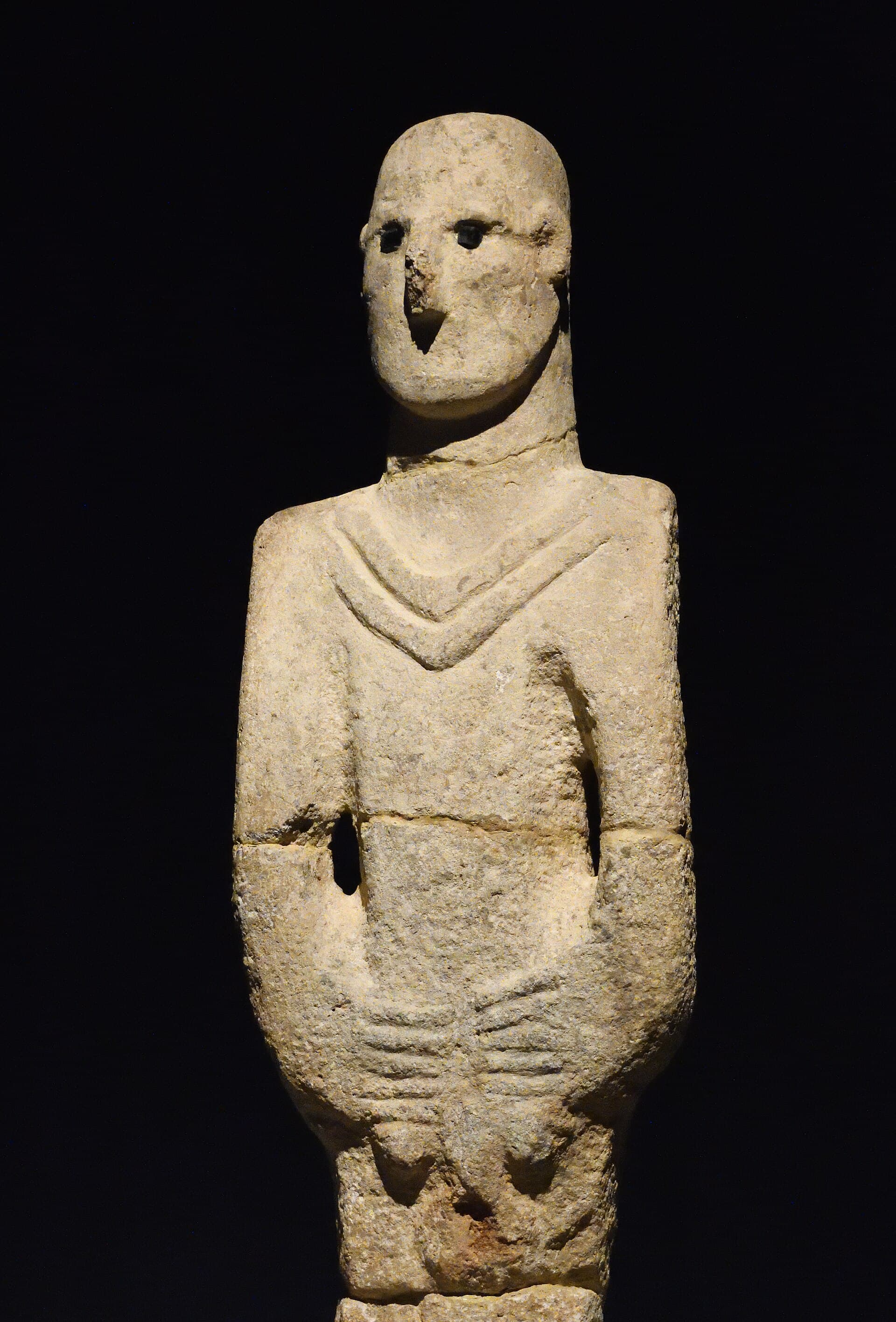
One of Türkiye's largest museums (2015), it shows the finds from Göbekli Tepe, Karahantepe and the Taş Tepeler sites in context. Its centrepiece, the 11,000-year-old Balıklıgöl Statue ('Urfa Man'), has obsidian eyes and no mouth. Halls from Assyrian to Islamic times carry the story on, and the adjoining Haleplibahçe Mosaic Museum, on the same ticket, holds late-Roman mosaics.
What to know before you go
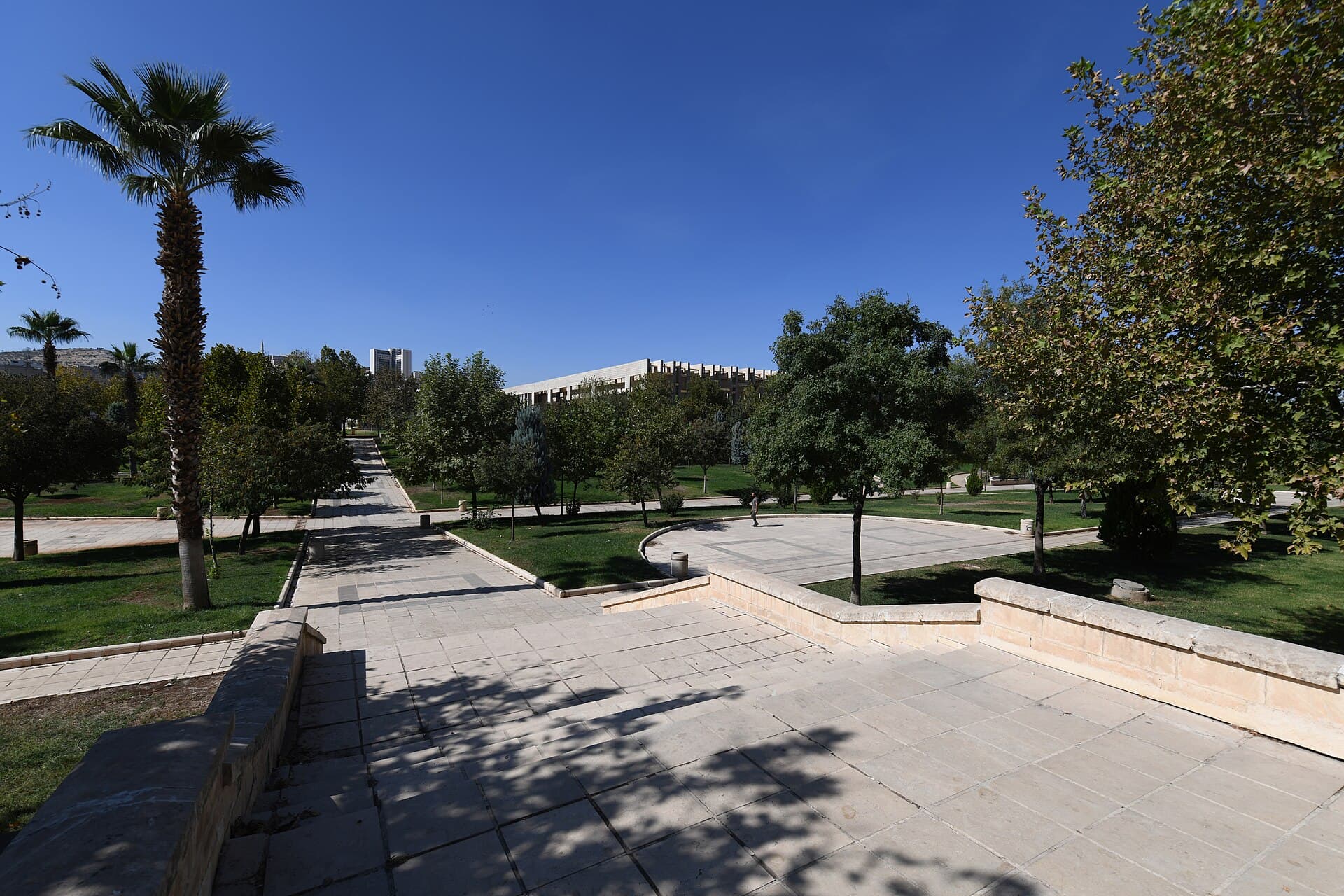
Allow around two to two and a half hours, more if you pair it with the mosaic museum next door — this is not a quick lobby of highlights but a full walk through eleven millennia, and rushing it wastes the one place that explains everything else in the region. The single smartest move is to time it with Göbekli Tepe: see the site and the objects on the same day, in either order, because the enclosures give you the scale and the museum gives you the faces and tools — neither lands fully alone. It is also the city's best hot-weather refuge; when the summer plateau is unbearable by mid-morning, the air-conditioned halls turn the worst hours into the best-spent ones. The museum sits in the Haleplibahçe area beside Balıklıgöl, so on foot it strings naturally into a half-day: the sacred pools are a few minutes away and the old bazaar about a twenty-five minute walk, which means a car is unnecessary once you are in this quarter. On practicalities, it opens at 08:00 and closes at 19:00 through summer and 17:00 in winter, and — the detail most day-trippers miss — it is closed on Mondays, so do not build a Monday itinerary around it. Foreign admission runs around €10 in 2026 and the same ticket carries you into the Haleplibahçe Mosaic Museum next door; if you are also seeing Göbekli Tepe and Karahantepe, the Museum Pass Türkiye covers the whole set and is the cheaper path. Confirm the current fee on muze.gov.tr before you go.