Balıklıgöl
Feed the sacred carp in the pool where, by legend, Abraham fell into fire and the flames turned to water.
Enough context, no spoilers
Why it matters
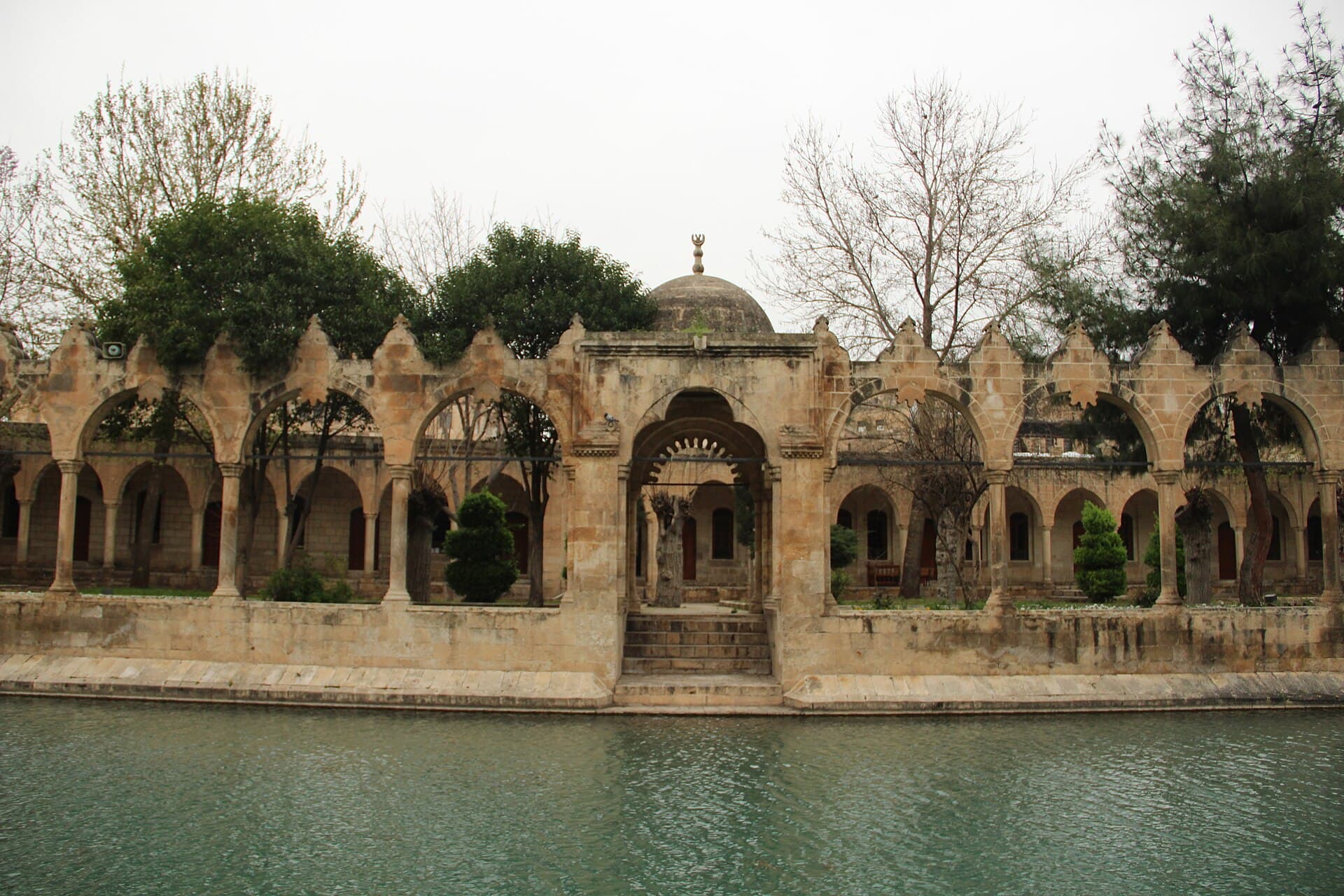
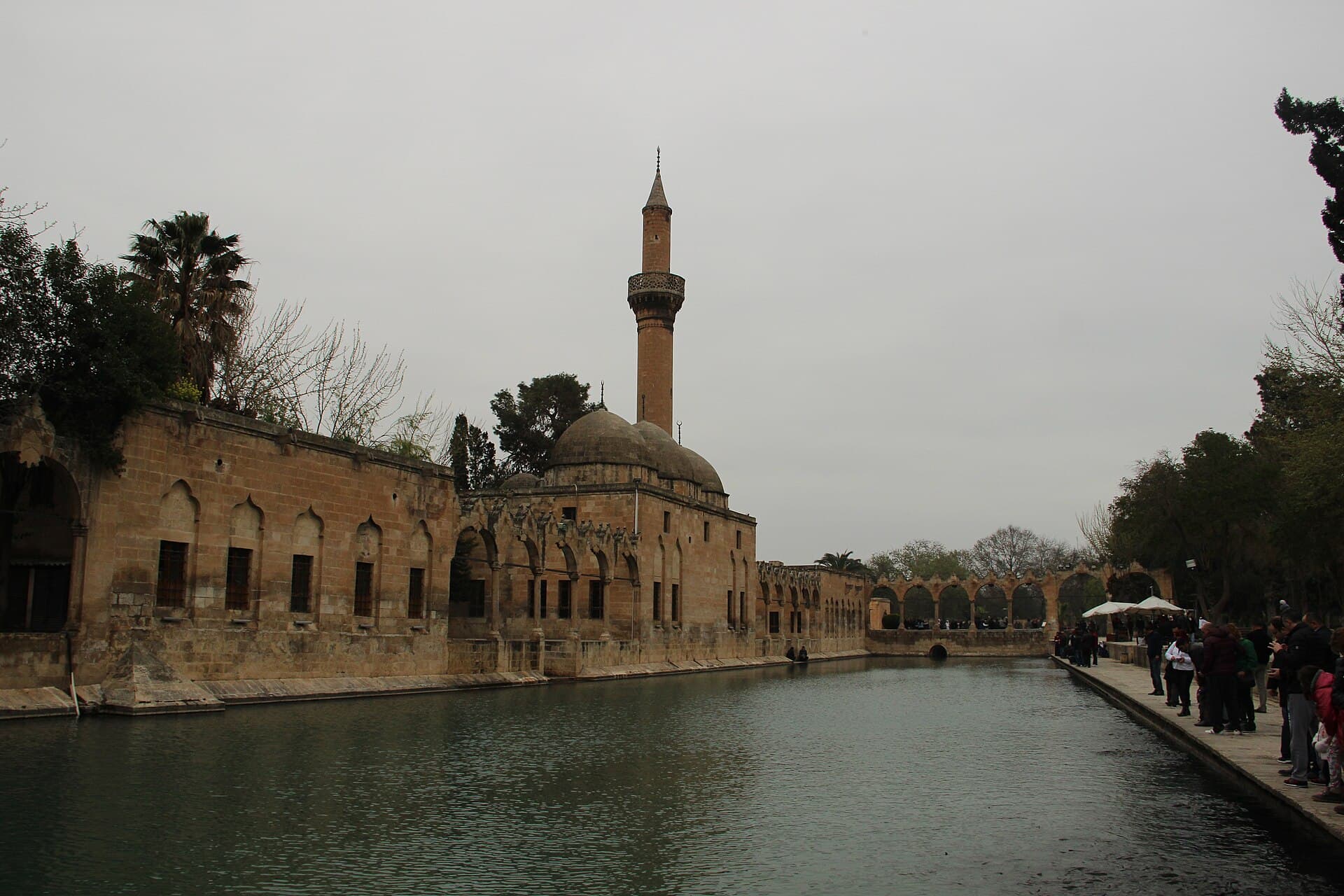
Balıklıgöl, the pool of sacred fish, makes Şanlıurfa's identity as a holy city tangible. Legend says Nimrod cast Abraham from the citadel into a fire that God turned to water, the embers to the carp that still fill it. The Halil-ür Rahman (13th c.) and Rızvaniye (1736) mosques frame the water; the citadel's twin columns rise behind — a working sacred place, not a monument.
What to know before you go
Give it around an hour to an hour and a half — long enough to walk the full circuit of both pools (Balıklıgöl and the adjoining Ayn-ı Zeliha), sit under the plane trees, and visit the mosques, but it is a contemplative stop rather than a half-day one. Come in the late afternoon: the low sun lights the honey-coloured stone and the water, the heat eases, and the complex fills with local families at its most characteristic, so the golden hour is both the prettiest and the most alive time to be here. Everything is free — the pools, the gardens, both mosques, and the Cave of Abraham's Birth (Mevlid-i Halil) within the same complex — so the only etiquette to observe is a sacred one: dress modestly, use the separate men's and women's entrances at the cave, and keep your voice down near worshippers. You do not need any transport once you are in the old city; Balıklıgöl anchors the historic core, with the Archaeology Museum about three minutes away on foot and the covered bazaar around twenty-five, which makes the natural plan a single unhurried half-day on foot — pools, cave, museum, then tea in the bazaar hans. If you can, fold in the citadel climb above the pools for the view down over the whole sacred landscape before the light goes. In the evening the lanes behind the pools fill with the smell of grilled liver and menengiç coffee, so the sacred circuit slides naturally into dinner — the most local way to end the day in Urfa.