Harran
Beehive houses and the first Islamic university on a plain named in Genesis — currently closed to visitors for earthquake repair.
Enough context, no spoilers
Why it matters
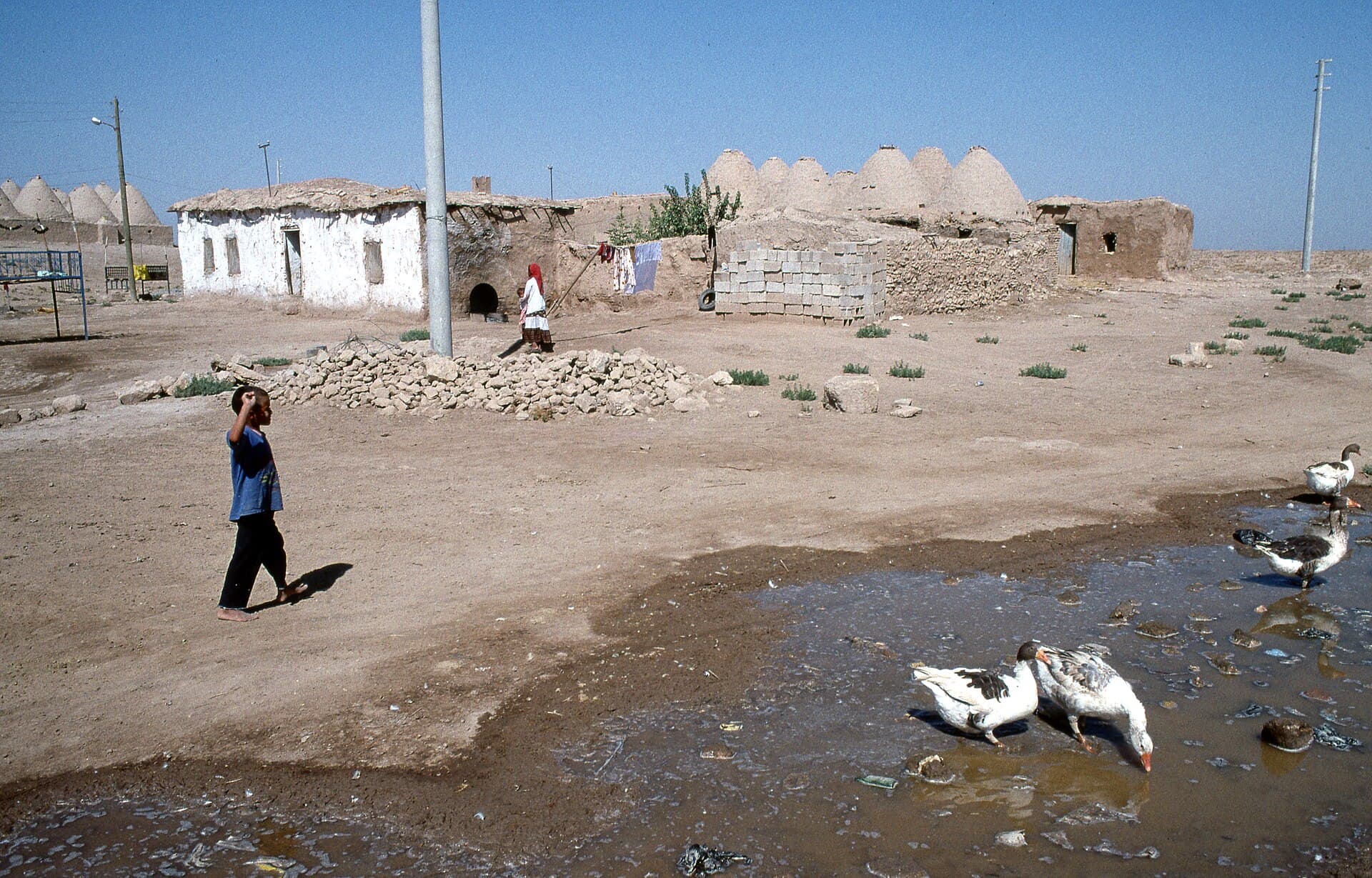
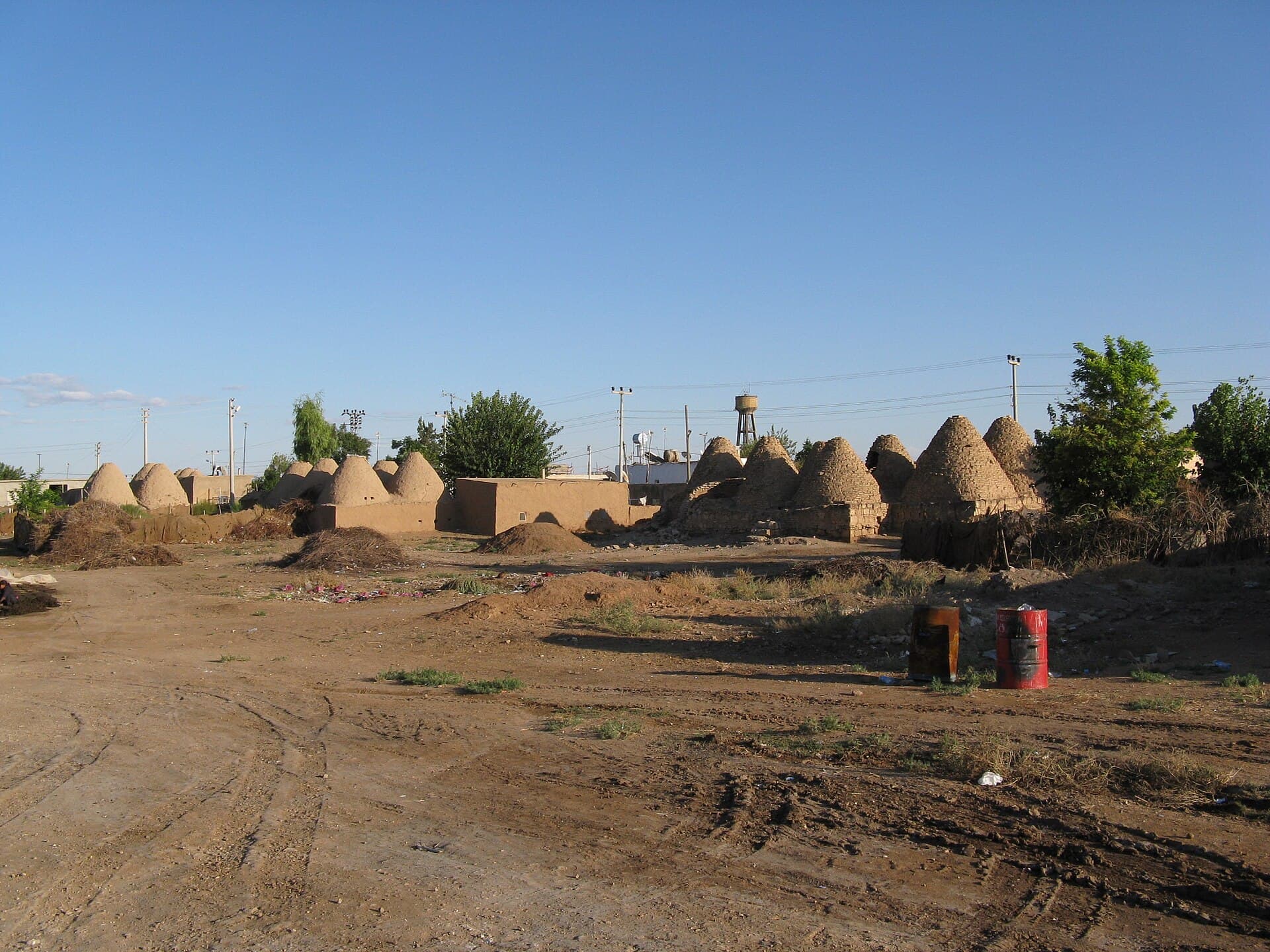
Harran layers three stories: biblical (Abraham dwelt here), scientific (its scholars advanced astronomy and medicine, and its Grand Mosque is called the first Islamic university, with Anatolia's oldest minaret), and vernacular (conical mud-brick 'beehive' houses that stay cool in fierce summers). City walls, the Aleppo Gate and a citadel mound complete it; earlier, Harran was the cult centre of the moon god Sîn.
What to know before you go
Important: Harran is currently closed to visitors because of earthquake damage — the official record (muze.gov.tr, checked 25 September 2026) reads "Free — closed to visitors due to earthquake," so treat the site as off-limits and confirm before any trip; the notes below are for when it reopens. Harran rewards a slow half-day when open, and timing is the whole visit: the plain is treeless and shadeless and summer routinely tops 45°C, so early morning or the last hours before sunset are the only sensible windows. Access is the other catch — there is no scheduled bus or dolmuş, so Harran (about 48 km south of Şanlıurfa, ~40 minutes) is reached only by taxi, rented car, or a tour, and the efficient way is a driver or tour that strings it with Şuayb City, Soğmatar and the Bazda caves on one southern loop. The open archaeological ground is free; the family-kept beehive houses may ask a small entrance or a tip, so carry a little cash. Dress for a conservative rural setting and strong sun.