Göbekli Tepe
Stand beside the world's oldest monumental architecture — stone circles raised by hunter-gatherers over eleven thousand years ago.
Enough context, no spoilers
Why it matters
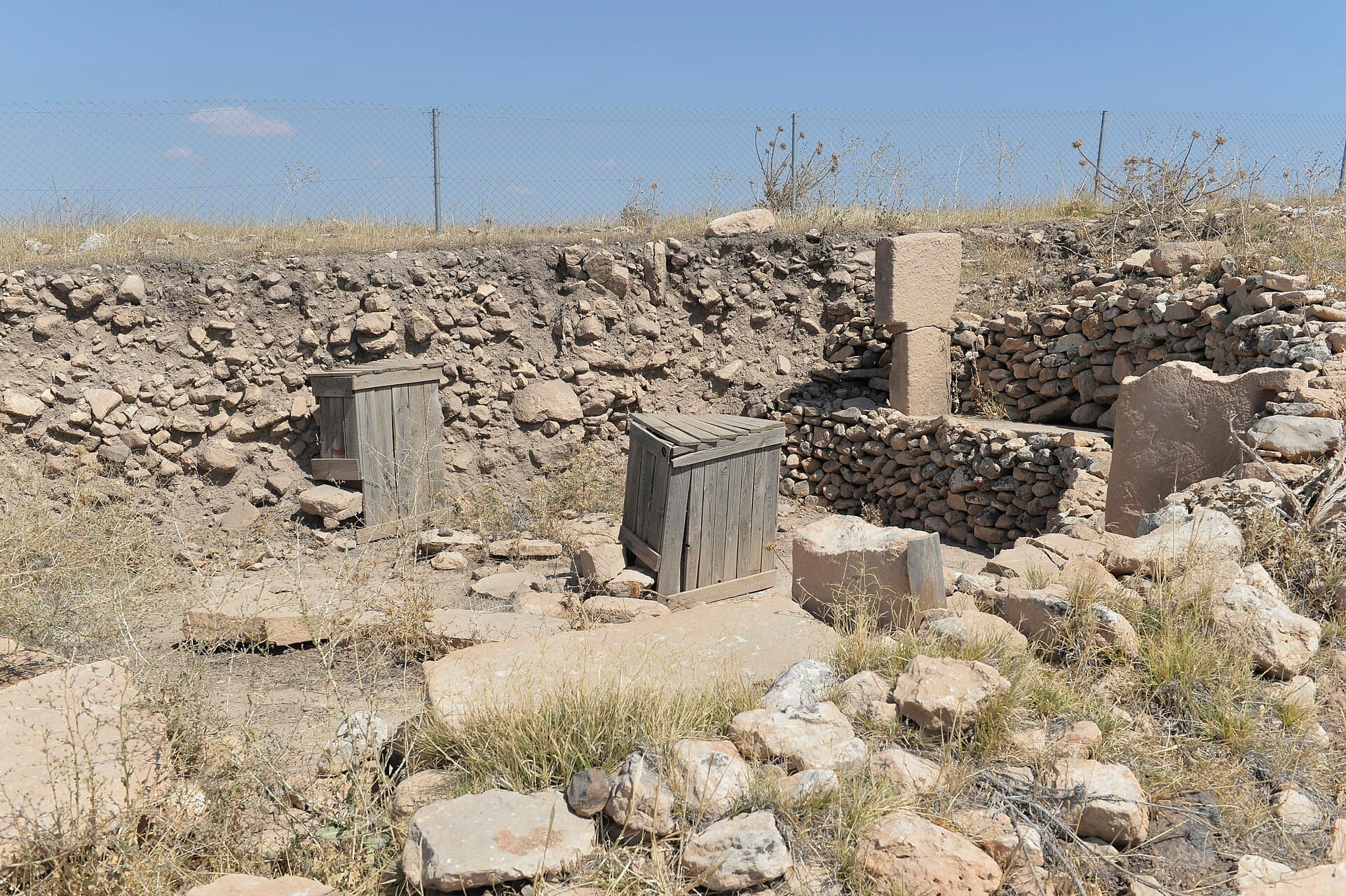
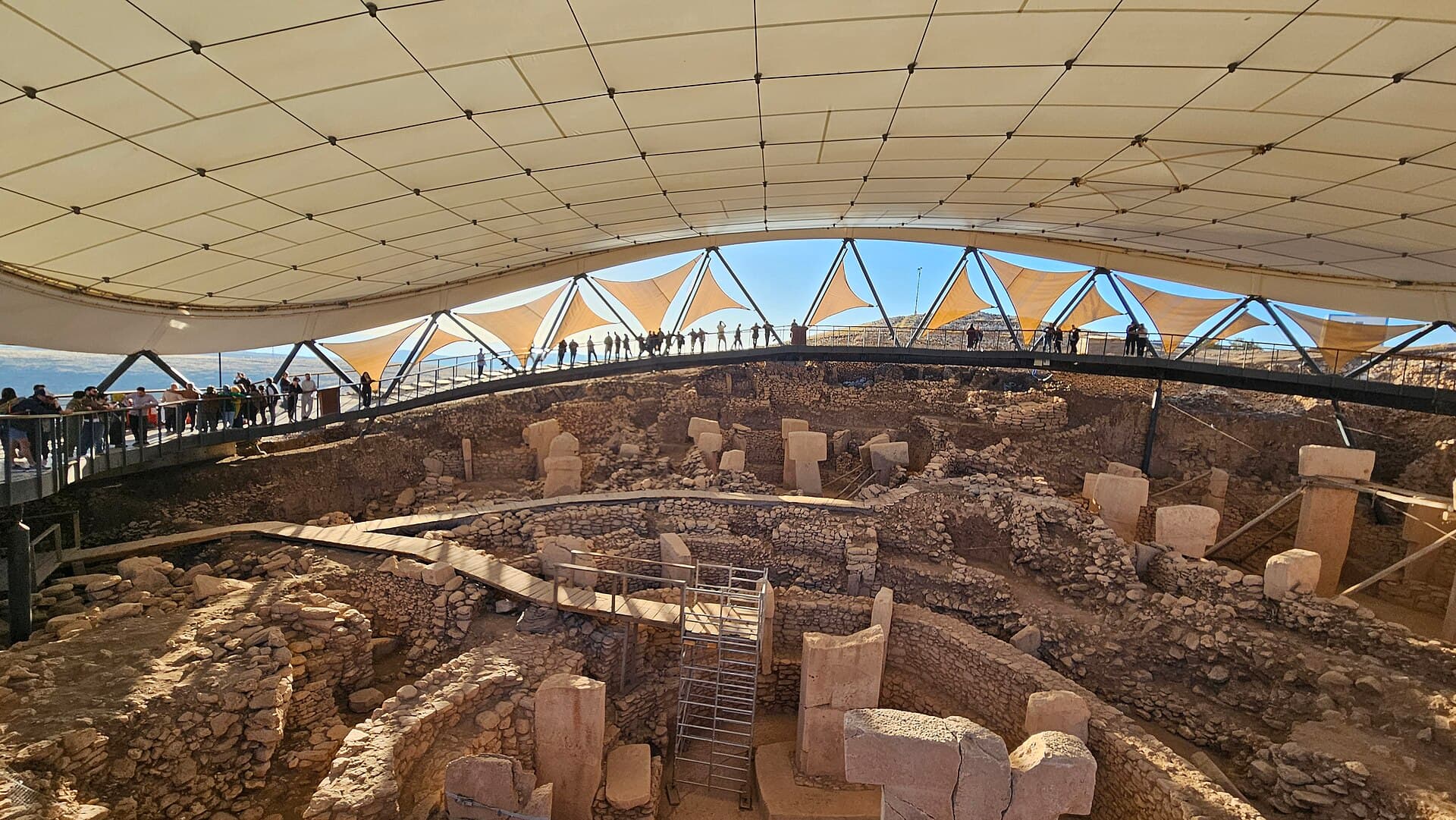
Excavated from the 1990s under Klaus Schmidt, Göbekli Tepe reversed the old idea that farming came before temples. Hunter-gatherers cut and raised T-shaped limestone pillars, some over five metres, into ringed enclosures carved with foxes, snakes and vultures. That such effort came before settled farming reshaped how we explain the Neolithic, and won UNESCO status in 2018 as the anchor of the Taş Tepeler landscape.
What to know before you go
Give it about half a day of attention rather than a quick photo stop — the reliefs only give up their detail when you slow down, and the elevated walkways are designed to be walked in a loop, not rushed. A visit of around two hours suits most people, longer if you like to linger. Because the enclosures sit under a modern shelter but the approach and viewing platforms are open and shadeless, timing matters: come soon after the 08:00 opening, or in spring and autumn, when the light is low and the heat off the plateau is bearable; midday in high summer is punishing. The site sits about a 45-minute drive northeast of central Şanlıurfa (roughly 26 km by road, OSRM) on a signposted, paved road, with a free car park at the visitor centre — close enough that a taxi, a half-day tour, or a hired car all work; public dolmuş exists but runs on an irregular schedule, so most visitors take a taxi or tour to keep the timing their own. The single most rewarding way to see it is not alone but as a pair with Karahantepe, its sister site about 35 km (roughly 45 minutes) further out, where a carved pillar shrine cut into bedrock shows the same world from another angle — a specialist small-group tour usually links the two in one morning. Close the loop back in the city at the Şanlıurfa Archaeology Museum, because the actual finds lifted from these enclosures — including the reliefs and the region's Neolithic sculpture — are displayed there; seeing the objects after standing where they were raised is what makes the whole story land. On fees, budget around €20 for foreign visitors in 2026 and confirm the current figure on the official muze.gov.tr listing; if you are also visiting Karahantepe and the museum, the Museum Pass Türkiye covers all three and quickly pays for itself.