Mardin Old City
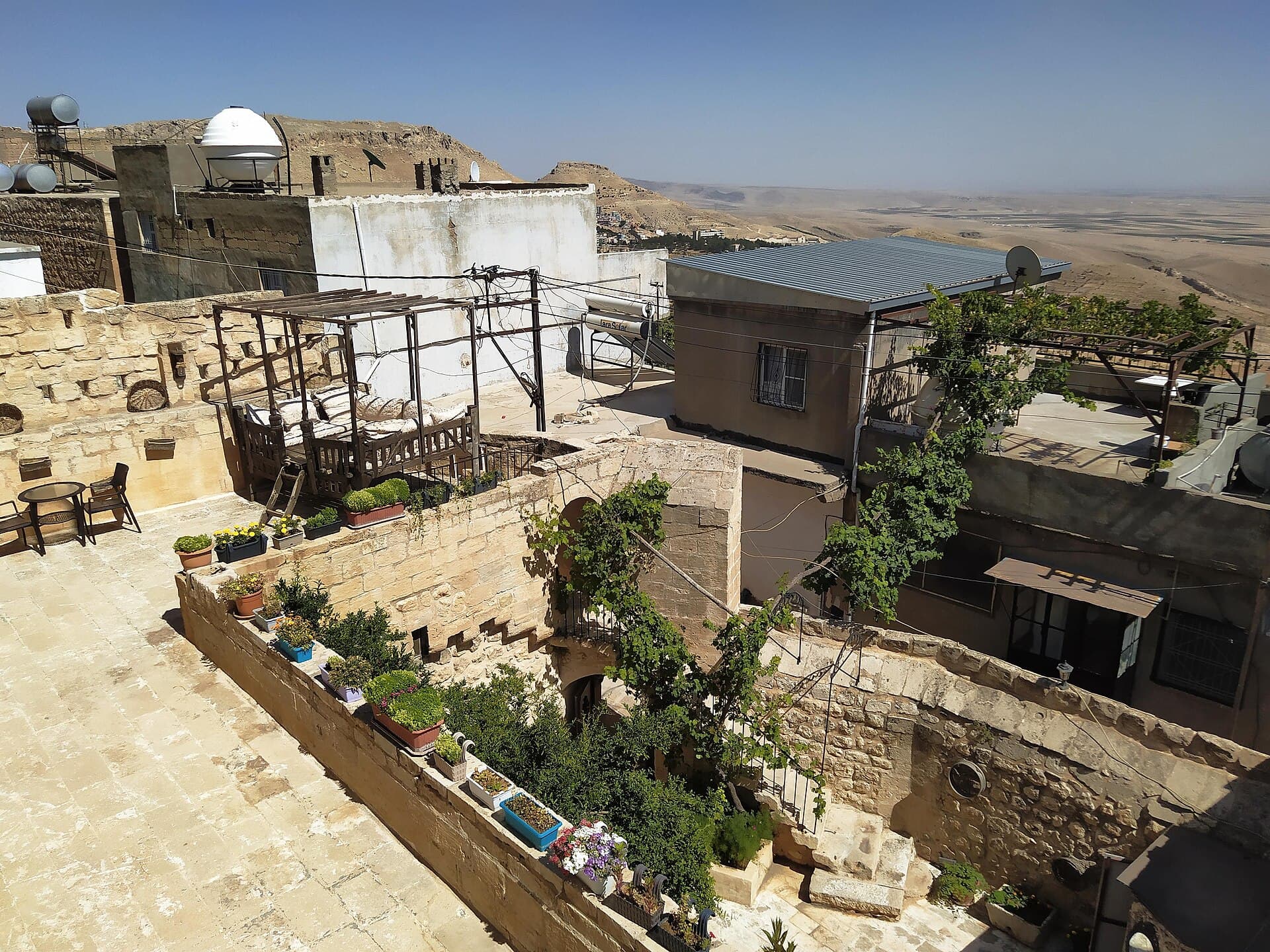
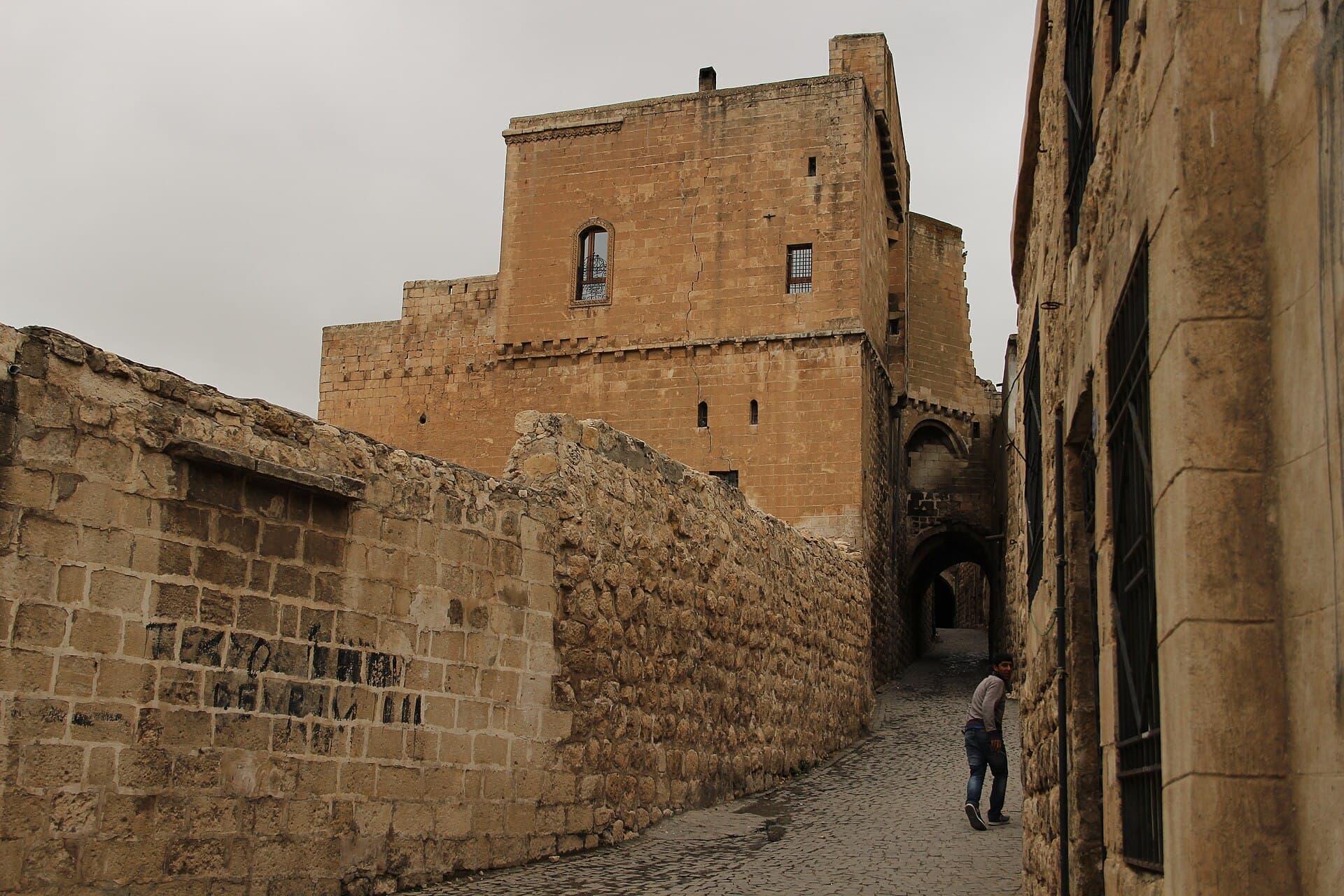
Mardin has no separate "old quarter" — the whole city is one unbroken run of honey-stone terraces climbing a ridge over the plain.
Enough context, no spoilers
Why it matters
Artuqid capital from 1103, then Akkoyunlu and Ottoman (from 1517), built almost entirely from local cream limestone by generations of the same stonemasonry tradition. Long home to a mixed Muslim, Syriac Christian and, until the WWI-era genocides, large Armenian population. On Türkiye's UNESCO Tentative List since February 2000, still awaiting full inscription.
What to know before you go
Mardin does not have an old town tacked onto a modern city — the whole thing is the old town, one continuous run of the same honey-coloured limestone climbing a ridge above the Mesopotamian plain, with the newer city pushed downhill and out of sight below it. That's the first thing to understand before you start walking: there's no single ticketed "sight" here in the Ephesus sense. The point is the fabric itself — house after house of finely carved stone, terraced so tightly that one roof is often somebody else's courtyard, connected by 1. Cadde, the single street running the length of the ridge, and by the abbaralar, vaulted stone tunnels that duck under houses to link the steep lanes below it. Walk the main street once for orientation, then leave it. The real experience is in the lanes underneath, where houses are still lived in, laundry still hangs across the alleys, and the carved lintels and rosette windows that earned this city its UNESCO Tentative List status in 2000 are attached to somebody's front door, not roped off behind a fence. Go slowly, and ideally go twice: once in the cooler morning, when shutters are opening and the old city is doing its actual daily business, and again in the last hour before sunset, when the stone genuinely earns the "honey" description and every south-facing terrace fills with people watching the plain turn gold below. Build your day around that second version of the walk. From several points along the ridge — and specifically from the terraces of Kasımiye and Zinciriye medreses — the view runs uninterrupted across the plain, a reminder of how exposed and strategically obvious this ridge always was, which is also the reason the castle above you exists at all. Two honest notes. The lanes are steep, stepped and cobbled throughout — this is not a flat stroll, and rain or ice makes the stone genuinely slick underfoot. And resist photographing open doors and courtyards without asking: these are occupied homes, not a stage set, and the picture you want is the same one dozens of other visitors took from the same spot that same morning.