Kırklar Kilisesi (Church of the Forty Martyrs)
Mardin's Syriac Orthodox cathedral, in continuous use since the sixth century — a working church you can actually step into.
Enough context, no spoilers
Why it matters
Built in 569 AD and dedicated to the Syriac saints Mor Behnam and his sister. Took its current name in 1170, when relics said to belong to forty Roman soldier-martyrs, frozen on a lake near Sebasteia (modern Sivas) under Emperor Decius, were brought here. Today it is the Metropolitan Church of the Syriac Orthodox Church of Mardin, one of seven Syriac churches remaining in the city.
What to know before you go
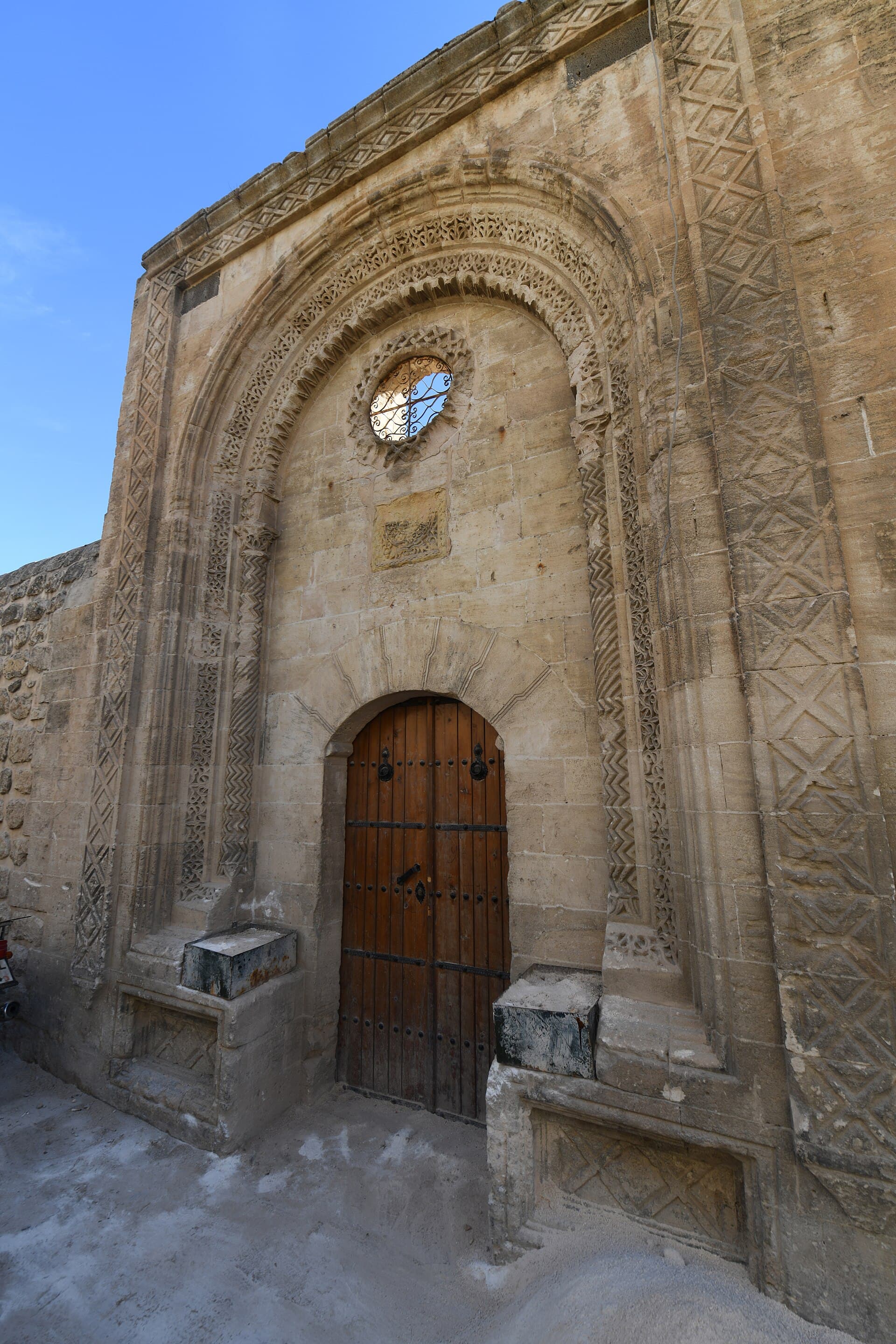
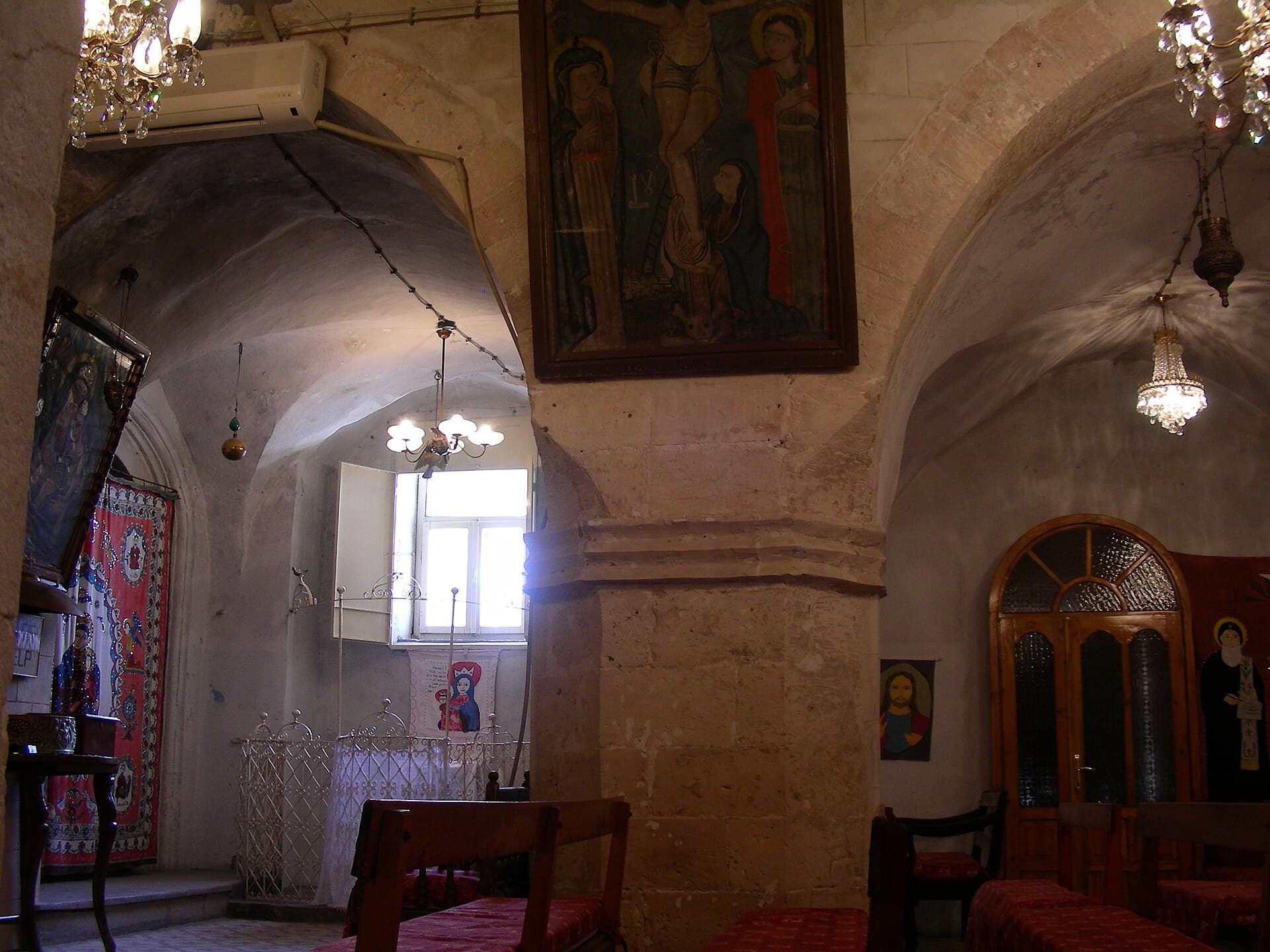
Deyrulzafaran gets the tour buses, because it sits outside town with a dramatic approach and a well-run ticket desk; Kırklar Kilisesi gets almost none of that traffic, and it may be the more remarkable building to actually stand inside. This is Mardin's Syriac Orthodox cathedral, built in 569 AD and dedicated to Mor Behnam and his sister Sarah, two Syriac saints. It took its current name — Kırklar, "the Forty" — in 1170, when relics said to belong to forty Roman soldiers were brought here. Their story, shared across both Christian and Islamic tradition, holds that forty men were stripped and left to freeze on a lake near Sebasteia (modern Sivas) for refusing to renounce their faith under the emperor Decius, and that they held formation through the night rather than break. Whatever you make of the legend, the relics turned this into one of the most significant Syriac churches anywhere, and it still functions as exactly that: the Metropolitan Church of the Syriac Orthodox Church of Mardin, one of only seven Syriac churches left standing in the city out of a much larger historic number, with regular services conducted in Aramaic by a congregation that has kept its own continuity for eight and a half centuries. That's the reason to come. You are not visiting a preserved artefact; you're stepping into an institution that has been doing the same thing, in the same room, since before most of what else you'll see in Mardin existed. The interior is carried on twelve stone pillars, with carved detailing around the doors and windows that rewards a slow look rather than a five-minute pass-through, and paintings inside tell the martyrs' story to a congregation that has heard it for eight centuries. Time your visit around the working life of the building rather than a fixed opening-hours expectation: this is an active church, not a museum with posted hours, so a service in progress takes priority — be prepared to wait quietly or come back rather than walk in mid-liturgy. Dress modestly, keep your voice down, and treat photography of worshippers the way you would at any active place of worship: ask first, or don't.