Mardin Museum
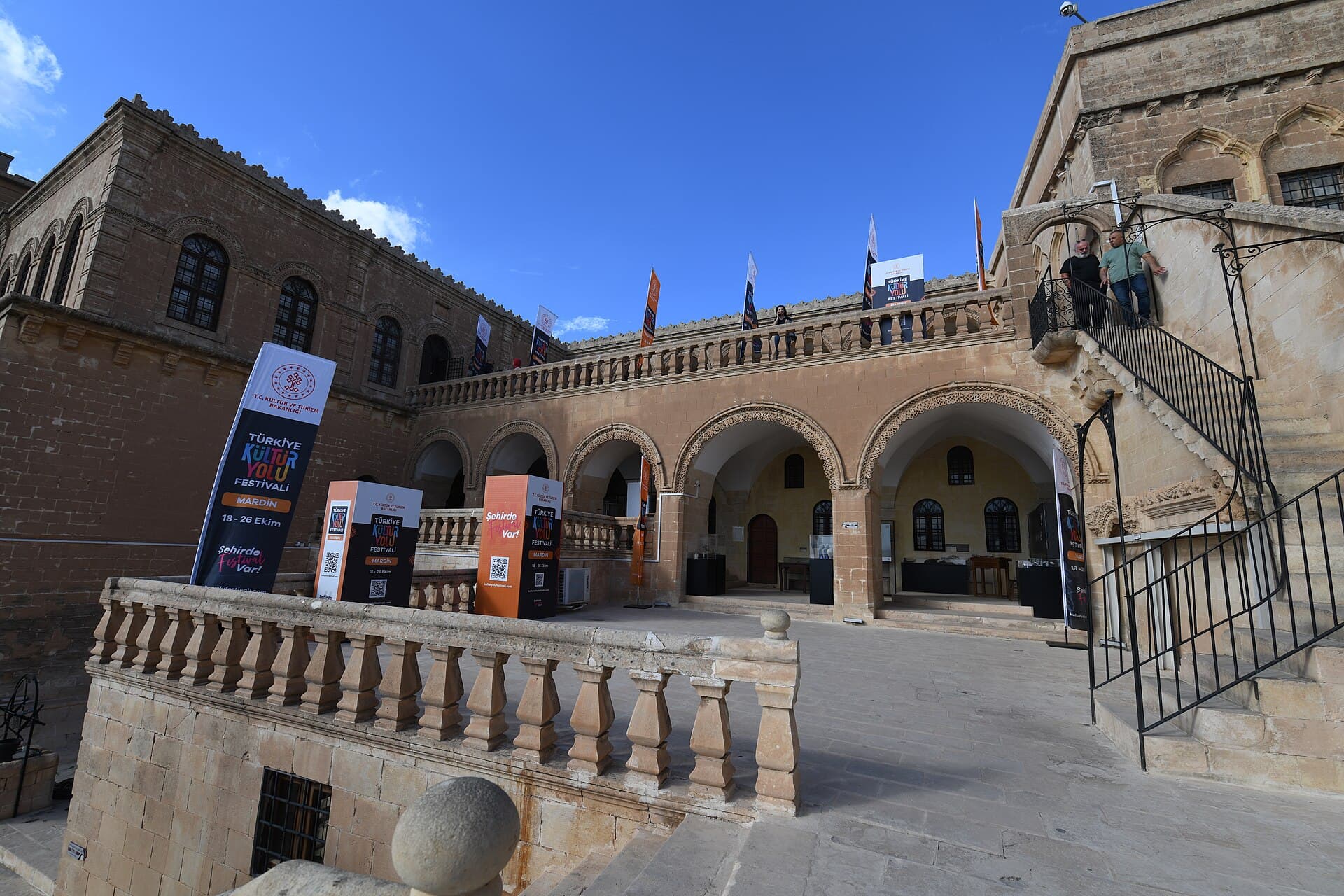
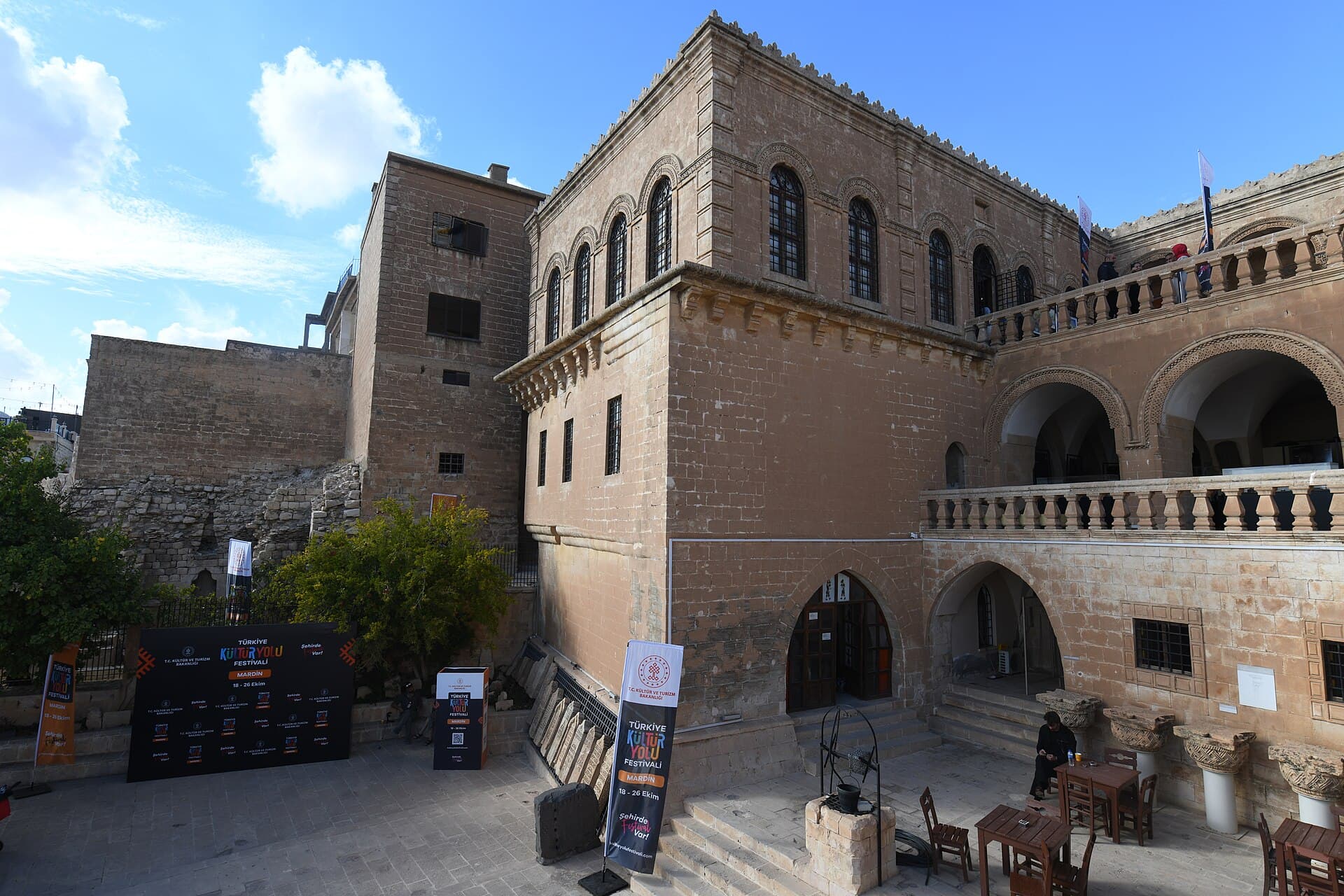
An 1895 Syriac Catholic patriarchate, converted into Mardin's archaeology and ethnography museum — the building is half the exhibit.
Enough context, no spoilers
Why it matters
Built in 1895 by Patriarch Ignatios Behnam Banni as the Syriac Catholic Patriarchate, incorporating the Church of the Virgin Mary. The Ministry of Culture purchased and restored the building in the 1990s, opening it as a museum in 1995. Holds material from the Bronze Age through the Ottoman period, plus a regional ethnography collection.
What to know before you go
Start here if you want the rest of Mardin to make sense, or come here as the indoor break your afternoon needs — either reason works, because this museum is doing two jobs at once. The building itself is the first exhibit. It went up in 1895 as the Syriac Catholic Patriarchate, commissioned by Patriarch Ignatios Behnam Banni and built around the Church of the Virgin Mary, in the same cut limestone and the same carved vaults, arches and column heads as every grand house on the ridge above it — a U-shaped, three-storey plan that is itself a textbook example of traditional Mardin domestic architecture, just built at institutional scale. The Ministry of Culture bought and restored the complex in the 1990s and opened it as a joint archaeology and ethnography museum in 1995, and walking the ground-floor galleries now means walking through a converted church whose original vaulting is still legible above the display cases. The collection runs a genuinely long sequence for a regional museum — Bronze Age material, Hellenistic and Roman objects, Byzantine, Seljuk, Artuqid and Ottoman work that connects directly to the buildings you've just been looking at outside. None of it is trying to be a single showpiece object; the value here is context, the layer beneath Mardin's stone streets made legible in one visit, inside a building that is itself a fair example of what those streets are built from. Upstairs, the ethnography hall is the better argument for the extra half hour. This is where the region's silver craft — the source of the filigree work still made in Mardin and, more famously, in Midyat — is displayed alongside textiles, domestic objects and religious material from the province's mixed Muslim, Syriac Christian and formerly Armenian communities, the closest this trip gets to a single-room summary of who has actually lived here. Go in the afternoon, when the heat outside makes an indoor stone building genuinely welcome, and note that this is a state museum with its own posted days and hours — it closes one day a week, so check before you plan around it rather than assuming daily opening the way you might for a private site nearby.