Mevlana Museum — Semahane and Dervish Lodge
The hall where dervishes whirled, the cells where they trained for years, and the instruments that explain what it meant.
Enough context, no spoilers
Why it matters
The semahane (ritual hall) and surrounding dervish cells were added and enlarged under Ottoman patronage, including Murad III in the 1590s, turning Rumi's tomb into a working Mevlevi lodge. Dervishes trained in the seventeen small domed cells for up to 1,001 days before earning lodge status. The order was banned nationwide in 1925.
What to know before you go
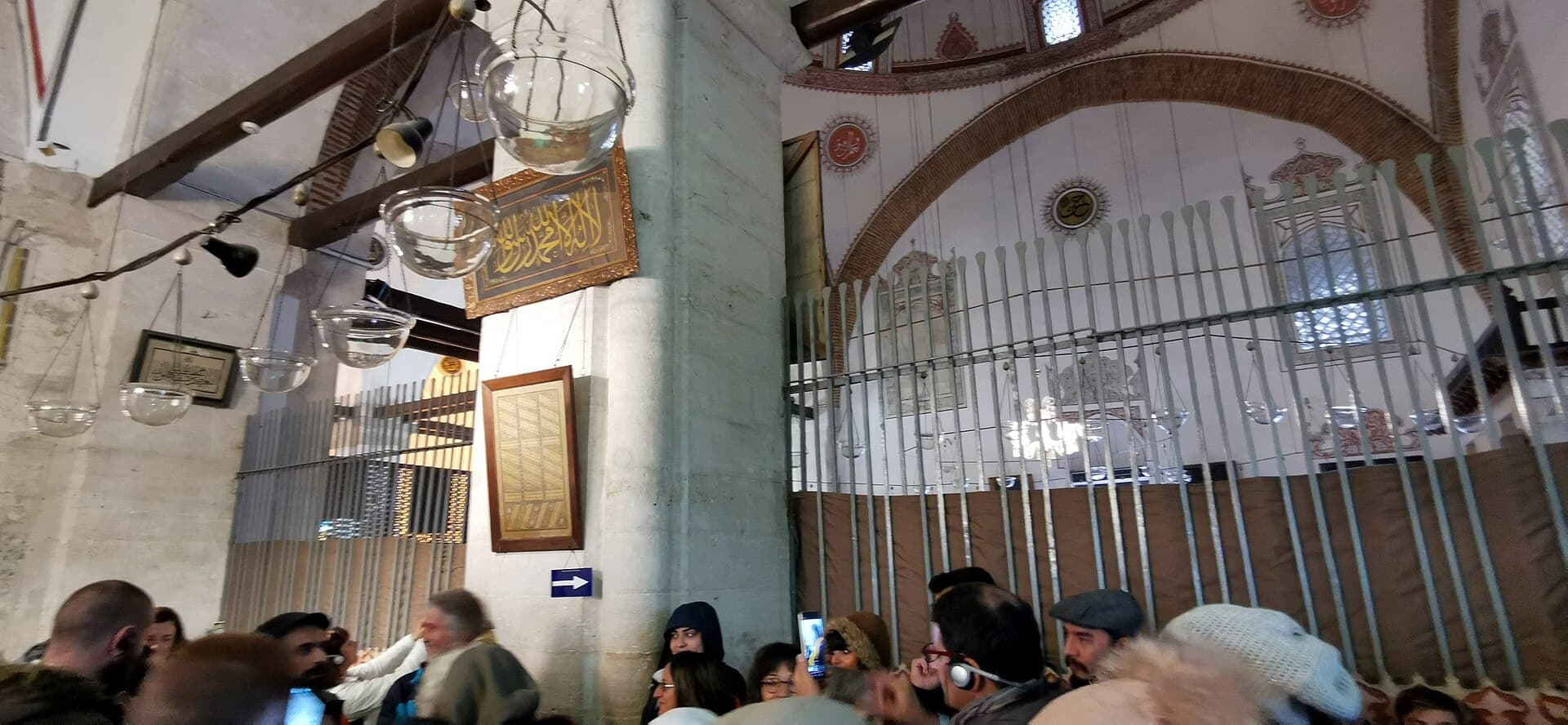
Everyone photographs the green dome from outside and never quite registers what's next to it. Walk past the mausoleum and you're in the part of the complex that was never a tomb: the semahane, the octagonal hall where dervishes performed the turning ceremony, and around it the cells where they lived while training to do it. This is the working half of the lodge, and it's where the museum earns its name.
The exhibits aren't generic. The semahane's cases hold ney flutes — the reed instrument the order considered essential, the one whose opening lines in the Masnavi liken it to a person crying to be reunited with the reed bed it was cut from — and kudüm drums and robes worn in real ceremonies before 1925, not costumes made for tourists. There's a copy of the Masnavi transcribed in 1278, and illuminated Qur'ans and prayer rugs from the mosque section next door. None of it is roped into abstraction; you're a few metres from where it was used.
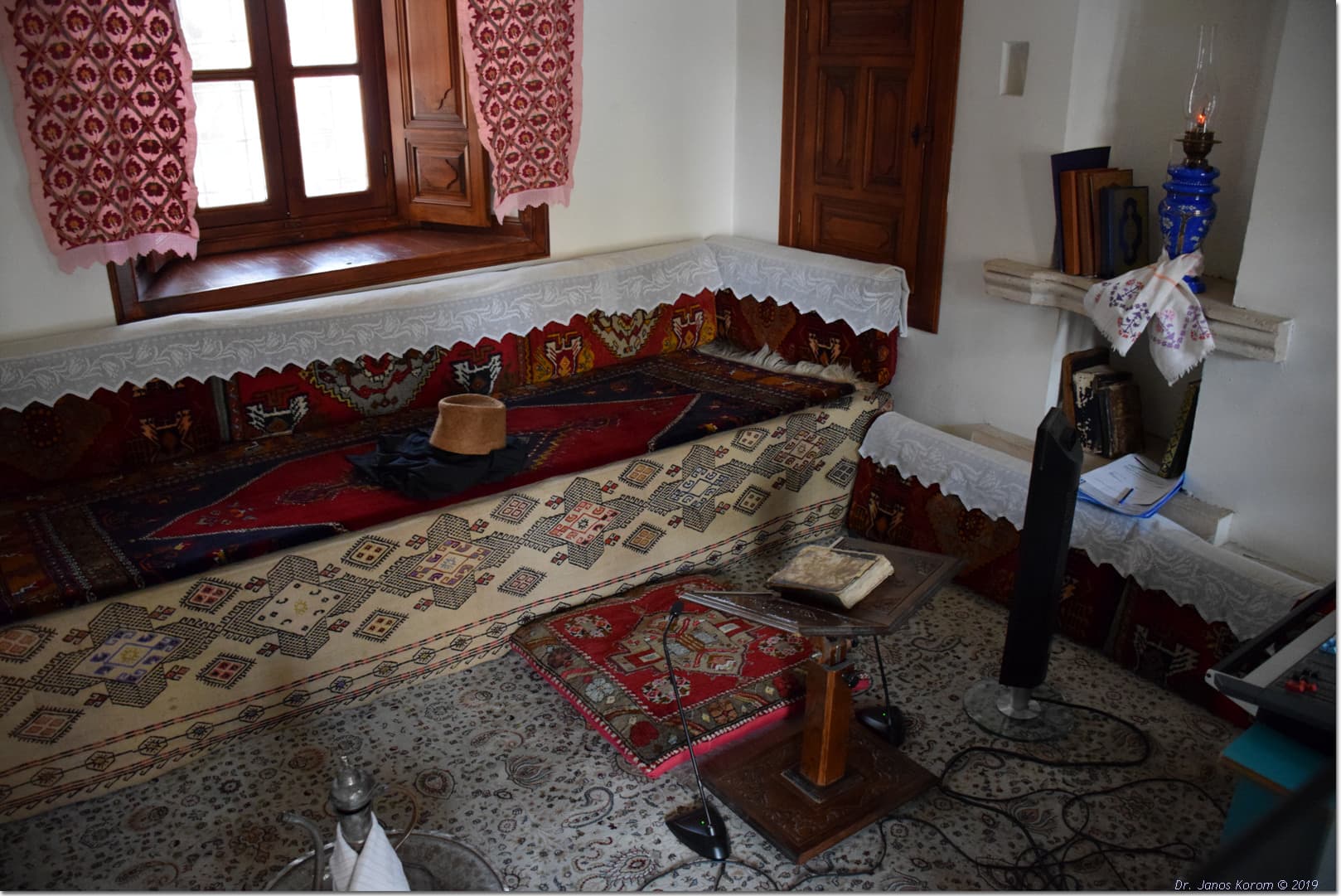
The seventeen dervish cells ringing the courtyard are the most quietly effective part of the visit. Enlarged under Murad III in the 1590s, each small domed room now holds a mannequin group staged at a different point in Mevlevi training — a novice sweeping, a dervish at devotions, a sheikh receiving a visitor — walking you through what becoming a Mevlevi actually took: reportedly up to 1,001 days of continuous service, much of it menial kitchen work, before a novice was even considered for the turning itself. It reframes whatever sema you may go on to see across town. What looks like a five-minute performance is the visible tip of a discipline that used to take years of a young man's life.
The lodge functioned continuously until 1925, when the new Republic banned all Sufi orders and closed every tekke in the country. Konya's had the gentlest ending of any of them: not destroyed, but frozen, then reopened two years later as a museum instead of a ruin.