Mevlana Museum — Mausoleum
Rumi's sarcophagus under a turquoise dome, in Turkey's second most-visited museum — and still a working shrine where people come to pray.
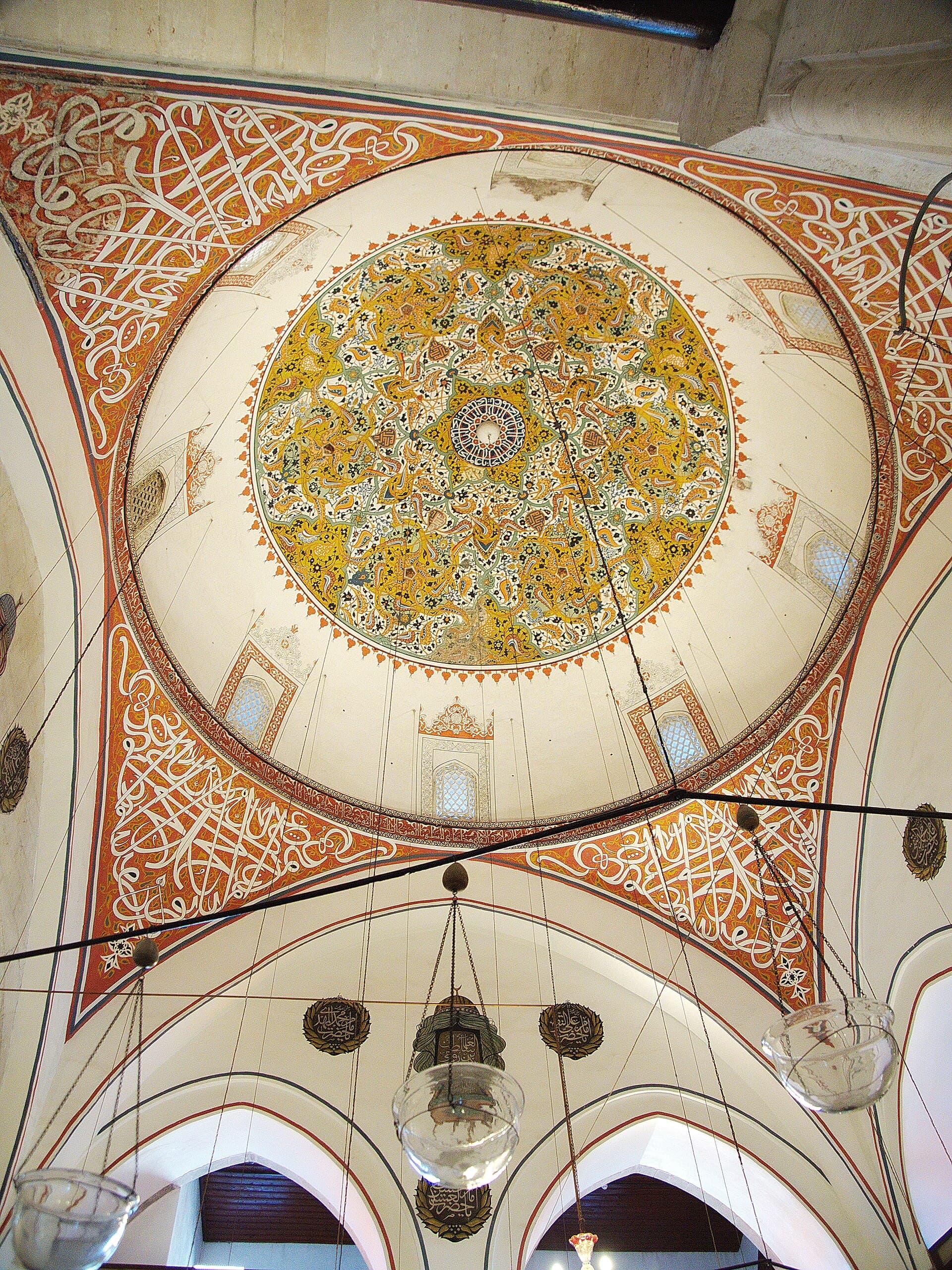
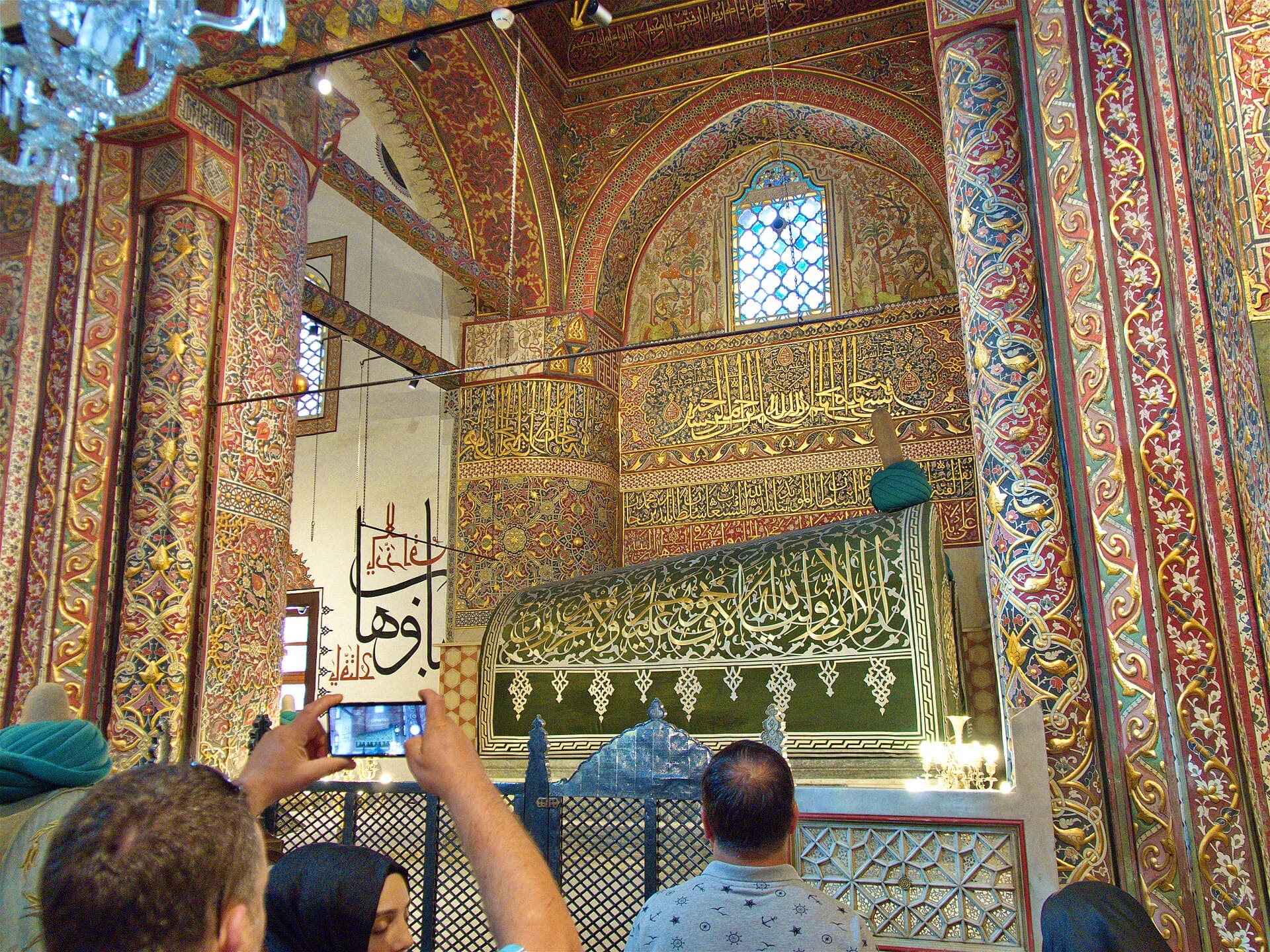
Enough context, no spoilers
Why it matters
Sultan Alaeddin Keykubad gave his rose garden for the burial of Rumi's father, Bahaeddin Veled, in 1231. When Rumi died on 17 December 1273, his son built a mausoleum over both graves, finished in 1274. Atatürk's 1926 decree turned the dergah into a museum, opened 2 March 1927 — the tomb never stopped being a place of prayer.
What to know before you go
Konya does not treat this as a museum, whatever the sign says. Atatürk's government secularised the Mevlevi lodge by decree in 1926 and opened it as a museum in 1927, and the label has stuck administratively for a century. But walk in and the label is the least true thing about the building. People come here to pray, not to sightsee, and the museum's own visitor figures make the case for you: 3.46 million people in 2019 alone, second in the country only to Hagia Sophia. Most of them are not architecture tourists.
The man in the sarcophagus is Jalal al-Din Muhammad Rumi, born in 1207 in Balkh, in the Persianate world that is now Afghanistan, and brought west as a child as his family moved ahead of the Mongol advance. He became a respected jurist and teacher in Konya under Seljuk patronage — a conventional, scholarly life — until 1244, when a wandering dervish named Shams of Tabriz arrived and undid it. Three years later Shams vanished — killed, Konya's tradition holds, by disciples jealous of his hold on Rumi — and what Rumi wrote afterward became two of the most read bodies of poetry in the world: the Divan-i Shams, addressed to the man who broke him open, and the six-book Masnavi, which later admirers called "the Qur'an in Persian." None of it argues for a doctrine. It argues, insistently, for love as the mechanism of the divine.
The building holds that argument at a small, human scale. The turquoise dome — locally called the Green Dome, though the tiles read blue-green rather than green — covers a room of sarcophagi rather than one tomb: Rumi's, oversized and crowned with a wound turban marking his rank as a teacher, and beside it his father Bahaeddin Veled's, standing on end rather than lying flat. The reason given, for as long as anyone has been telling it, is that the father's coffin rose upright in reverence when his son was carried in. Whether or not you take the legend literally, take the room literally: this is Konya's most sacred square metre of ground, and the people filing past you in silence are not extras.