Kordon & Pasaport
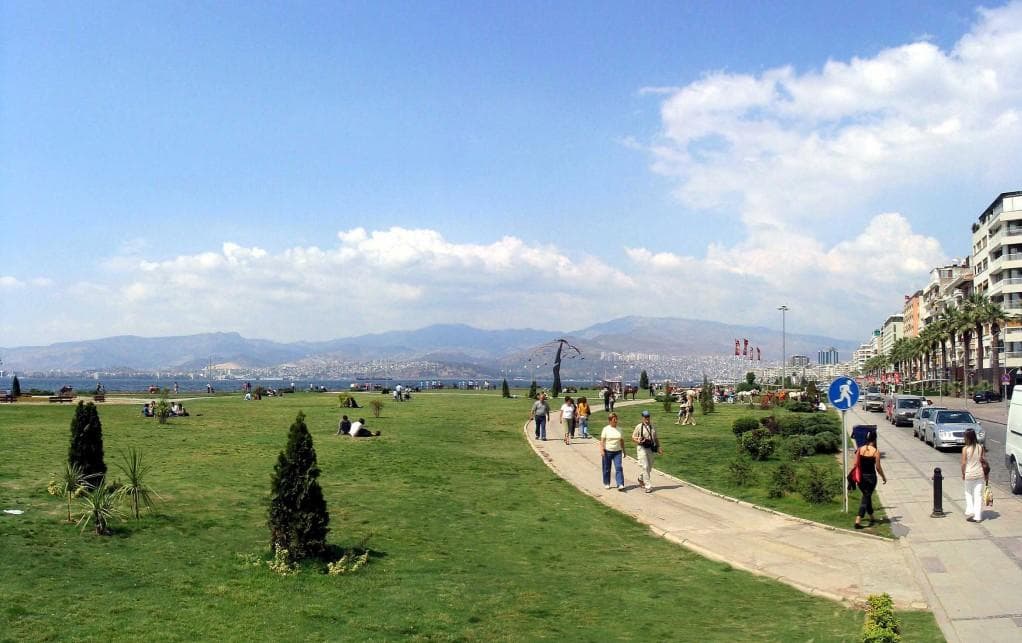
Two kilometres of lawn, bikes and sunset walkers on a quay the Dussaud brothers finished in 1875.
Enough context, no spoilers
Why it matters
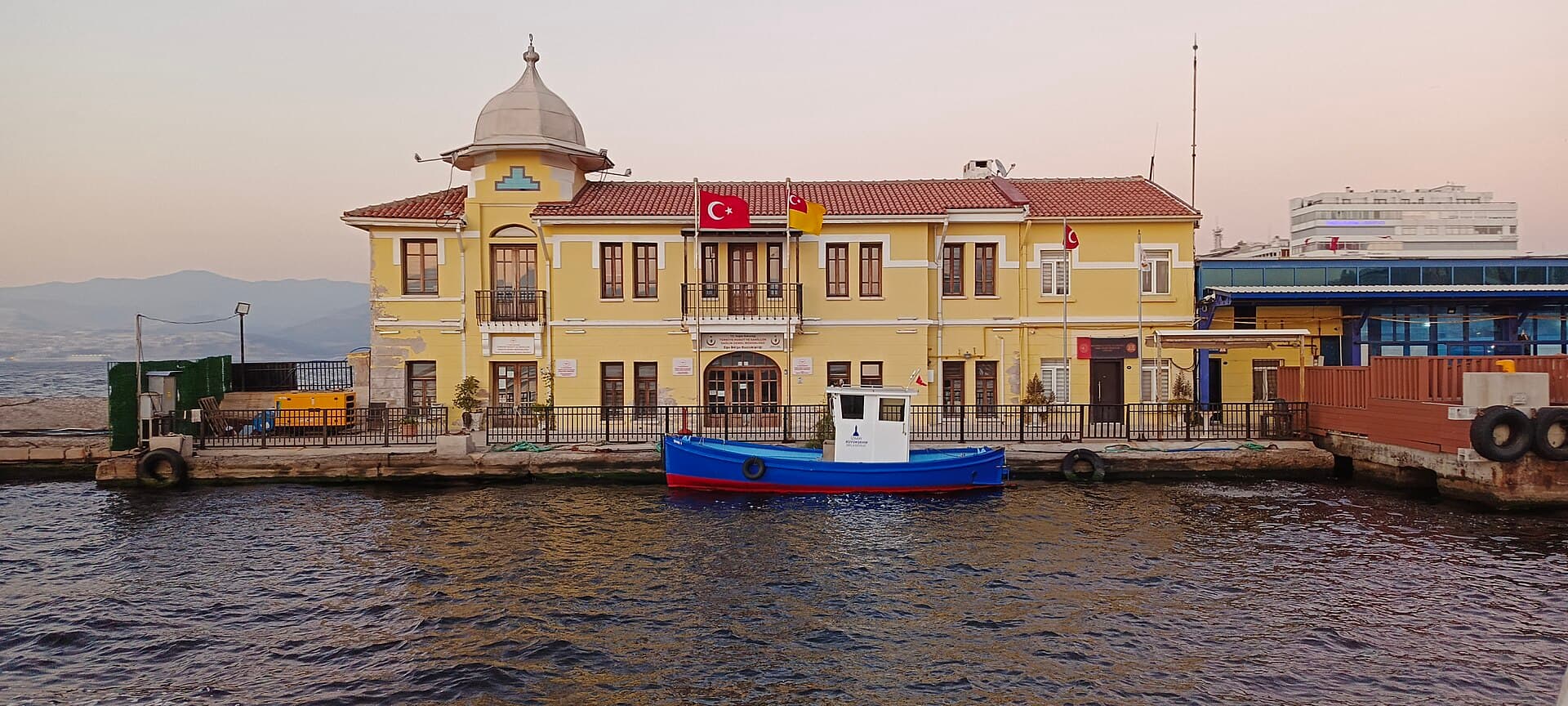
The seafront is engineered: an 1867 quay concession went to Marseille's Dussaud brothers, who by 1875 had built four kilometres of waterfront from the customs house (now Konak Pier) to Punta. From 1877 Pasaport's pier and passport office policed arrivals. The fill is now İzmir's promenade and its open-air living room.
What to know before you go
The two kilometres of waterfront lawn that İzmirlis treat as their collective living room did not occur naturally — this stretch of coast is entirely engineered, the product of an 1867 quay concession awarded to Marseille's Dussaud brothers, whose firm had by 1875 filled and built four kilometres of shoreline running from the old customs house, now Konak Pier, down to Punta. What was harbour edge became promenade, and it has stayed that way for a century and a half, outlasting the commercial purposes it was originally built to serve. Pasaport, the southern anchor of that stretch, took on its own identity from 1877 onward as the city's passport and customs point — its pier policed who and what entered İzmir by sea for decades, and the building itself, ornate rather than merely functional, still stands lit at night as one of the waterfront's more elegant landmarks. The genuine draw here, though, isn't the engineering history so much as watching how thoroughly the city has claimed the result: at dusk, the whole Kordon fills with İzmirlis facing west toward the sunset over the gulf, on bikes, on benches, on the grass itself, in a scene that repeats nightly regardless of season and asks nothing of a visitor except to join it. Do exactly that — sit on the lawn with everyone else rather than photographing it from a distance — and then walk south to find Pasaport's pier lit up as the light fades. Waterfront cafés line the route at ordinary city prices, no tourist markup, which tells you something about who this promenade is actually built for. Winter visits should expect the occasional rain squall and a real north wind off the gulf; December through February is the one stretch of the year when the Kordon's charm gets genuinely tested by weather.