Hisar Mosque
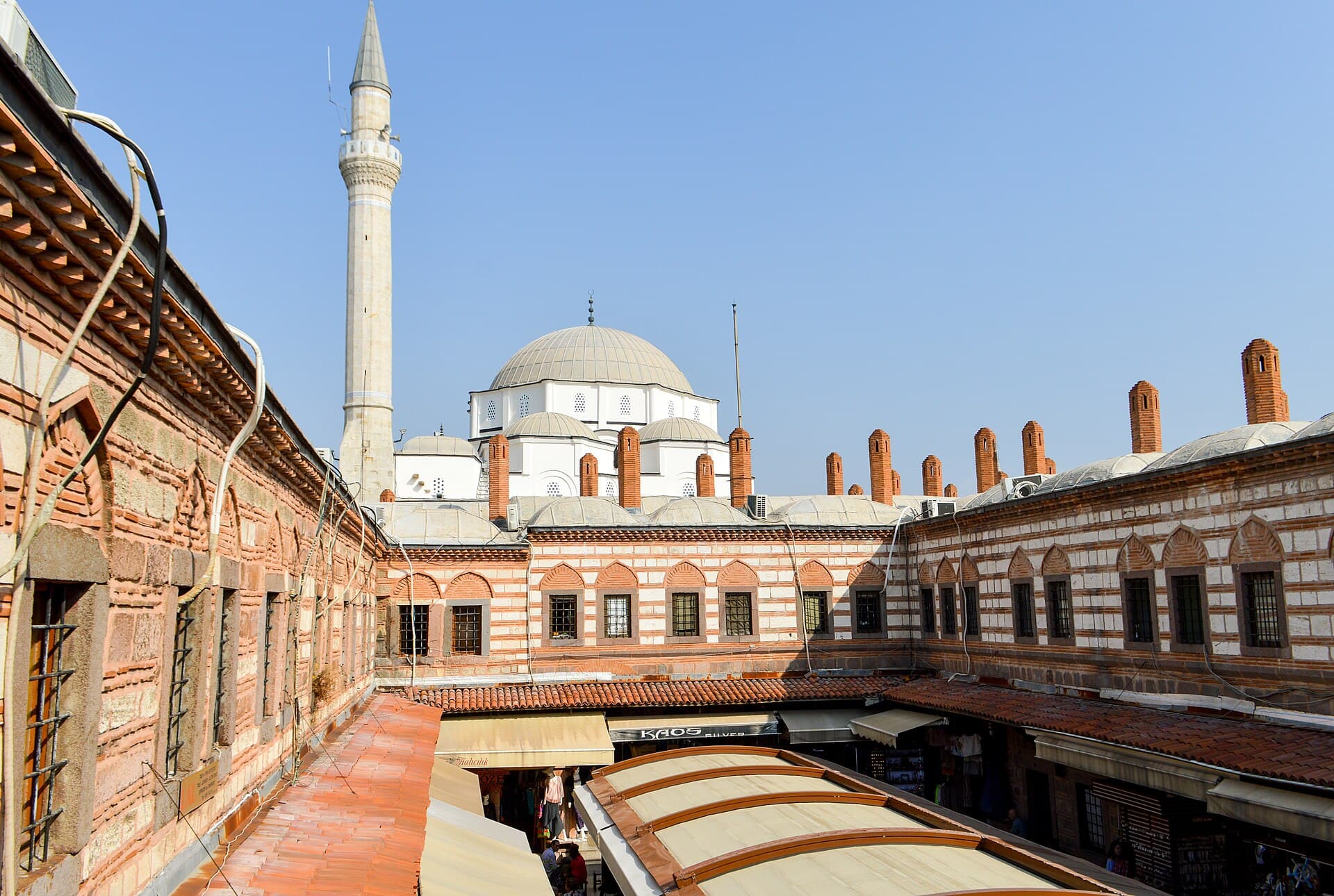
İzmir's grandest Ottoman mosque (1592-98) anchors the bazaar, its upkeep long paid by the shops trading below.
Enough context, no spoilers
Why it matters
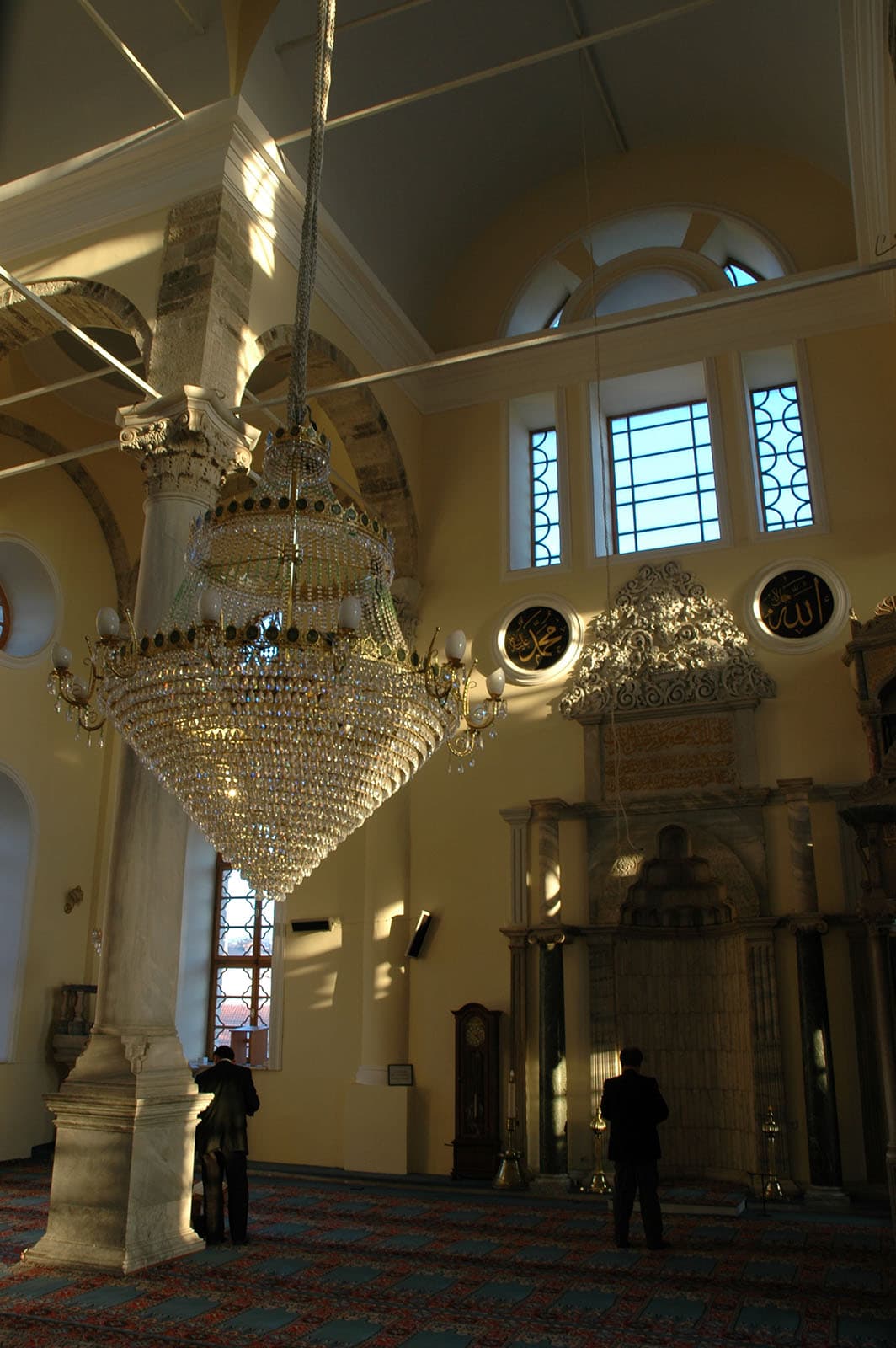
Built 1592-98 where the inner harbour's fortress once stood, Hisar Mosque is the city's largest historic mosque, sustained for centuries by waqf rents from surrounding shops and hans. Repaired after the 1999 and 2003 earthquakes, it is still the bazaar's spiritual centre, its interior a blend of classical Ottoman and Aegean baroque.
What to know before you go
Hisar Mosque earns its name honestly: it stands where the inner harbour's old fortress once did, and when construction finished in 1598 after a six-year build, it became — and remains — the largest historic mosque in İzmir, a scale statement anchoring the bazaar around it both physically and, for centuries, financially. The upkeep of this building was never a simple matter of state patronage; it ran for generations on waqf rents collected from the very shops trading in the streets around it, a genuinely reciprocal relationship between mosque and marketplace that's easy to miss walking past the building quickly but worth understanding as you look at Kemeraltı's layout — the bazaar and the mosque grew up financially entangled, not merely adjacent. Earthquakes in 1999 and 2003 required real repair work, handled without erasing the building's essential character: a blend of classical Ottoman structure with the more ornate Aegean baroque decorative touches typical of İzmir's 18th- and 19th-century religious buildings, distinct from the starker Istanbul imperial mosque style. Inside, the main dome's painted ceiling is the single best reason to step through the door — gilded rosette patterns spread across the vault, a hushed, decorative counterpoint to the noise and motion of the bazaar streets just outside the walls. The courtyard's şadırvan, the ablution fountain, doubles informally as a rest stop for bazaar shoppers regardless of their religious practice, which says something honest about how thoroughly this building is woven into daily Kemeraltı life rather than sitting apart from it as a monument. As an active mosque, visits outside the five daily prayer times are expected, and Friday midday (cuma) in particular is not the moment for a casual look inside; otherwise, entry is free, modest dress and removed shoes the only real requirement, and twenty minutes is enough to take in both the ceiling and the courtyard properly.