Havra Sokağı & the Synagogues
Nine synagogues hide behind one bazaar street's fish and produce stalls — a Sephardi world in mid-restoration.
Enough context, no spoilers
Why it matters
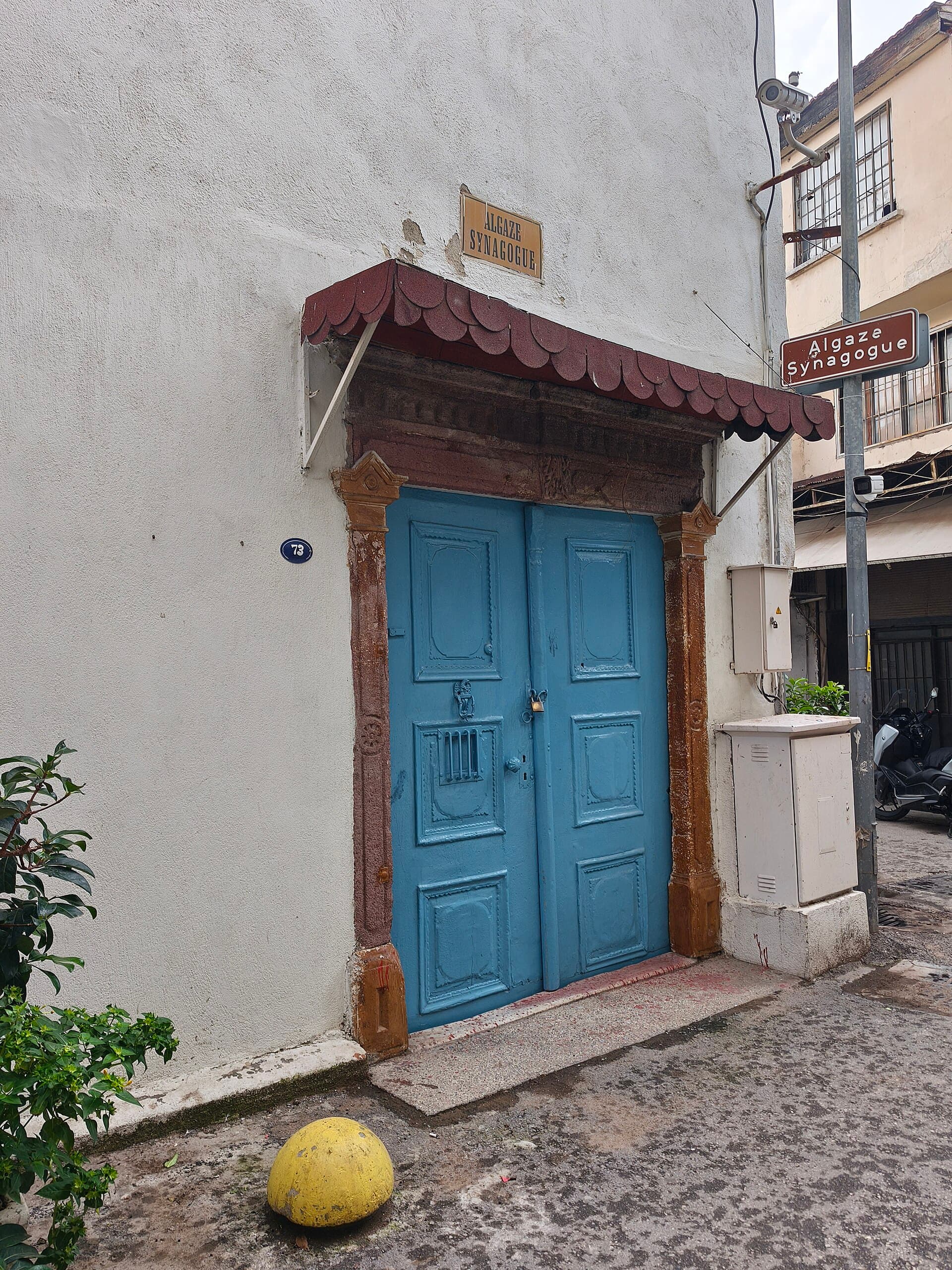
Sephardim expelled from Iberia settled Smyrna from the 16th century; the Juderia between Havra Sokağı and Kadifekale once held dozens of synagogues. Nine survive close together — Bikur Holim (1724, rebuilt 1800), Algazi (1724), Sinyora, Shalom, Etz Hayim — under restoration as the İzmir Jewish Heritage project. Shabbetai Tzvi, 1666's false messiah, was born nearby.
What to know before you go
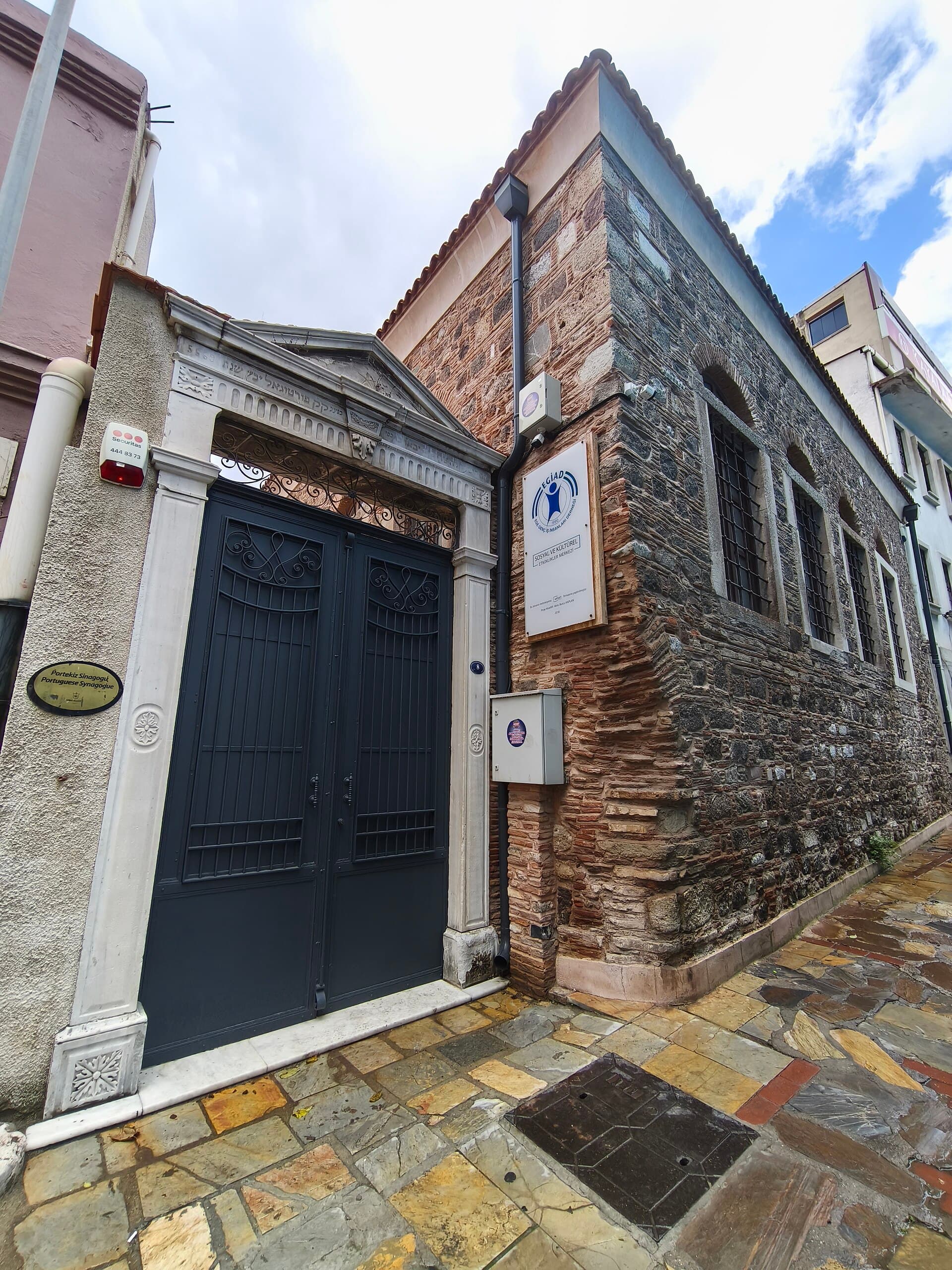
Behind Kemeraltı's fish stalls and produce carts, easy to walk straight past without noticing, sits one of the more remarkable concentrations of surviving Sephardic heritage anywhere in the eastern Mediterranean: nine synagogues, packed into the tight streets of what was once the Juderia, İzmir's Jewish quarter, stretching from Havra Sokağı toward Kadifekale. Sephardic Jews expelled from Iberia in 1492 began settling Smyrna from the 16th century onward, and at its height the quarter held dozens of synagogues serving a substantial community; the nine that survive close together today — among them Bikur Holim (built 1724, rebuilt 1800 after fire), Algazi, also 1724, Sinyora, Shalom, and Etz Hayim — represent what's left of that density after centuries of fires, earthquakes, and 20th-century emigration thinned the community considerably. They're now the focus of the İzmir Jewish Heritage project, a genuine, ongoing restoration effort rather than a finished museum piece, which means the quarter you're walking through is mid-transformation: some buildings freshly reopened, others still scaffolded or closed. The Portekiz Synagogue is the standout single stop if you can only see one — burned in 1976, it sat damaged for over four decades before reopening its restored hall in 2018, and the result is genuinely worth the wait it represents. There's a stranger footnote to this quarter's history too: Shabbetai Tzvi, the self-proclaimed messiah whose 1666 movement convulsed Jewish communities across Europe and the Ottoman world before his forced conversion to Islam, was born nearby — a piece of history most visitors to Turkey never encounter, sitting quietly a few streets from the bazaar's produce stalls. Because these are active or semi-active houses of worship rather than a walk-in museum, visits are arranged rather than casual — the community may ask for passport details in advance, and Saturdays (Shabbat) and Jewish holidays are closed entirely. Budget an hour, and treat Havra Sokağı's own morning-market atmosphere, fish and vegetables sold a few metres from centuries-old synagogue doors, as part of what makes the visit distinctive rather than an interruption to it.