İzmir Culture & Arts Factory (İKSF)
An 1884 tobacco factory reborn in 2023 as İzmir's flagship museum campus — archaeology, ethnography and a century of art.
Enough context, no spoilers
Why it matters
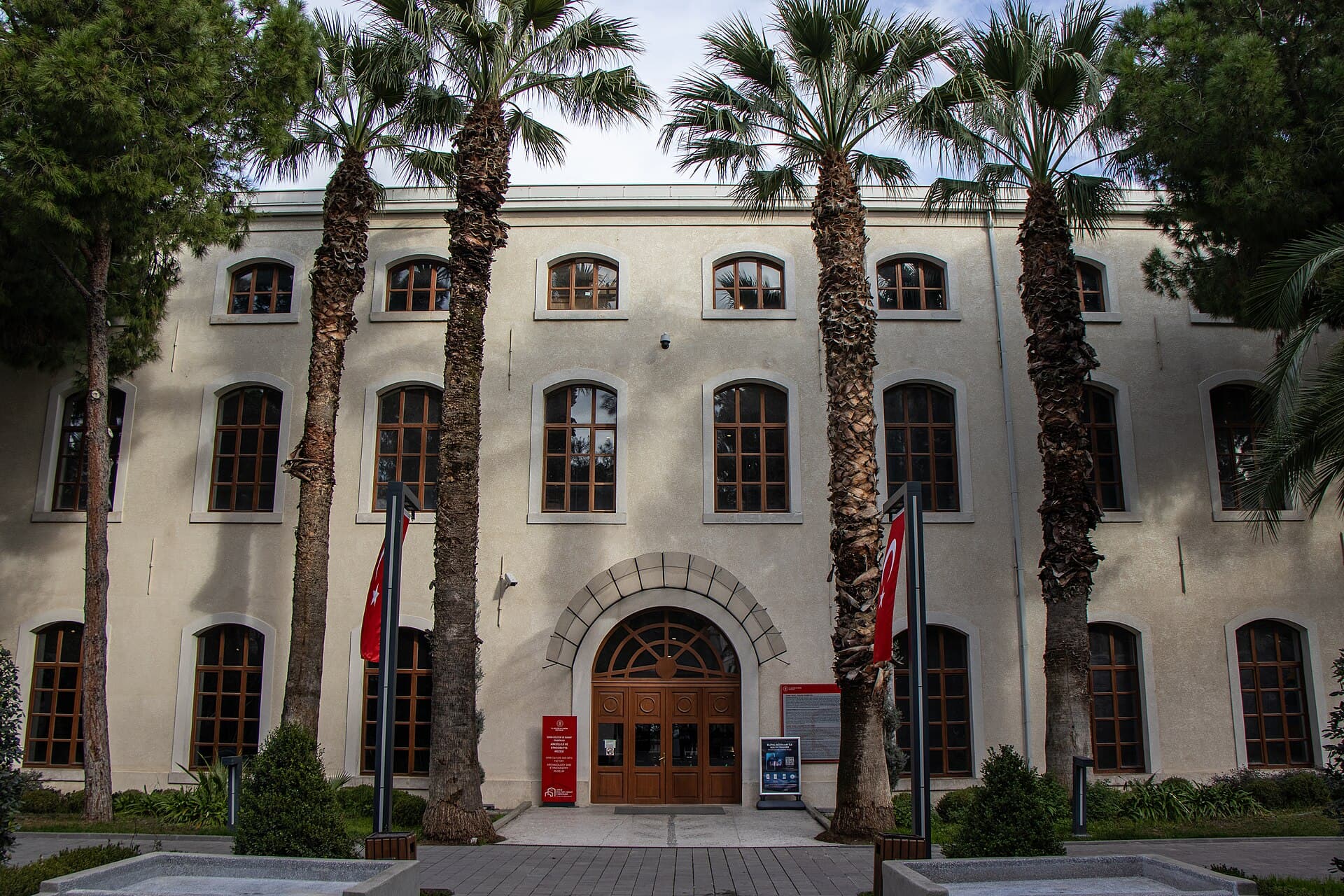
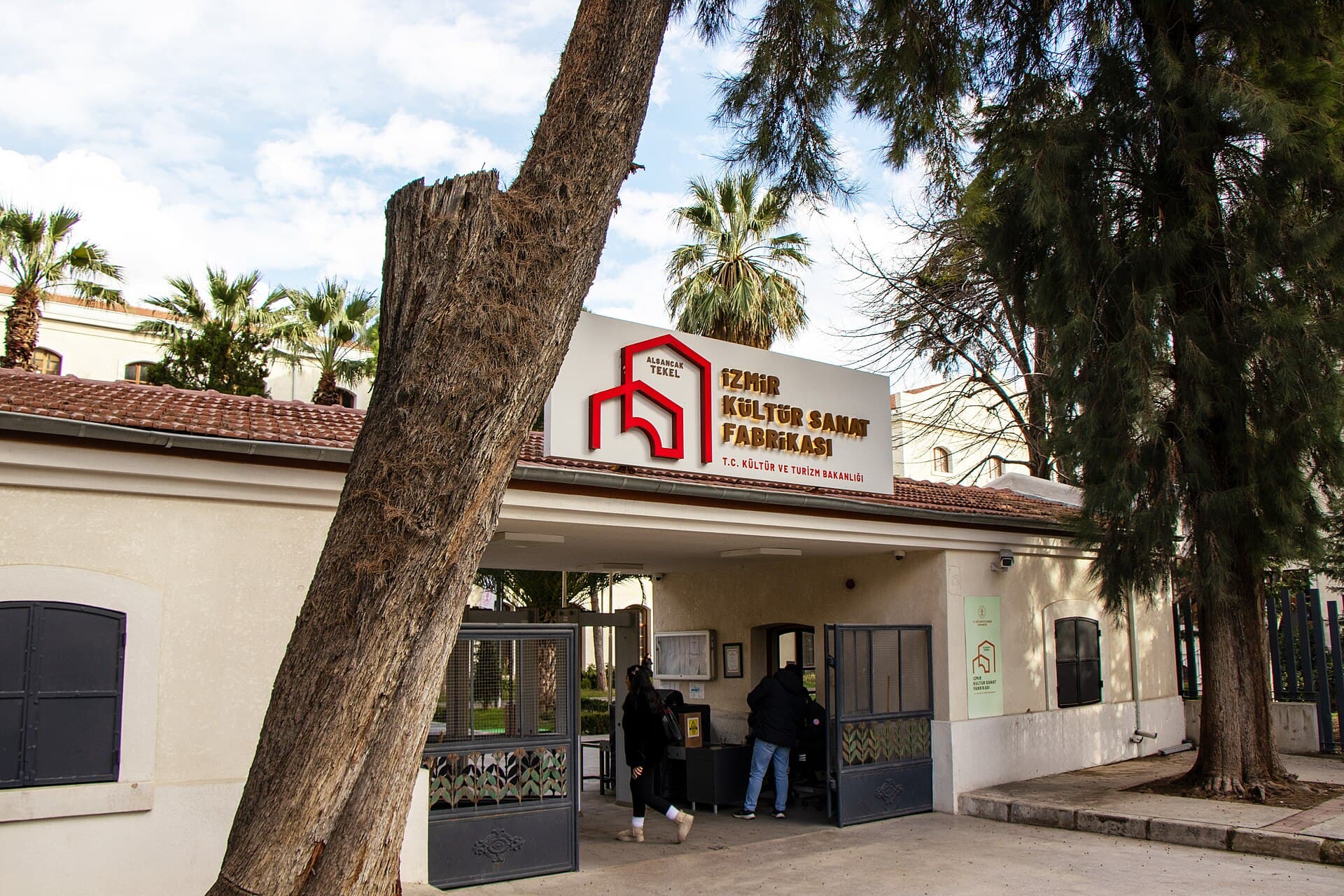
The Alsancak Tekel factory (founded 1884) processed tobacco for a century before the Culture Ministry converted it, opening 29 April 2023. Its central hall holds the Archaeology & Ethnography Museum — collections rehoused after the 30 October 2020 earthquake closed the old ethnography building — plus the Painting and Sculpture Museum next door.
What to know before you go
Tobacco built a great deal of modern İzmir's economy, and the Alsancak Tekel factory, founded in 1884, processed it for close to a century before the Ministry of Culture stepped in with an ambitious conversion, reopening the whole industrial complex as İzmir's flagship museum campus on 29 April 2023. The scale of the result is genuinely unusual for a converted industrial site: rather than a single small museum tucked into a corner of the old factory, the central hall now houses the full Archaeology & Ethnography Museum, a collection that needed a new home after the 30 October 2020 earthquake damaged its previous building badly enough to force a permanent closure — meaning the earthquake, tragic as it was, is directly responsible for this collection now living somewhere considerably grander and better suited to it. A separate Painting and Sculpture Museum occupies the complex next door, giving the whole campus a breadth — archaeology, ethnography, and fine art all in one former factory footprint — that no other single İzmir museum site matches. The second-floor ethnography hall is the specific room worth prioritising if time is short: İzmir's own textiles and manuscripts, material culture specific to this city and this coast rather than a generalised Ottoman survey, displayed with the kind of space and lighting a converted factory floor makes possible in a way older, smaller museum buildings often can't manage. Afterward, the factory's original chimney, still standing in the courtyard, is worth a look from the café — a deliberate, unfussy reminder of what this building did for a century before it did this. Budget a genuine two hours if the archaeology, ethnography, and art collections all interest you; the €10 foreign-visitor ticket covers the whole campus, and the site's box office closes at 17:00, an hour and a half earlier than the Agora's — plan the day's order accordingly rather than assuming every İzmir museum keeps identical hours.