Midas Tümülüsü (Midas Mound / Tumulus MM)
A man-made mountain of earth hides the oldest standing wooden room on the planet — and probably not the king it's named for.
Enough context, no spoilers
Why it matters
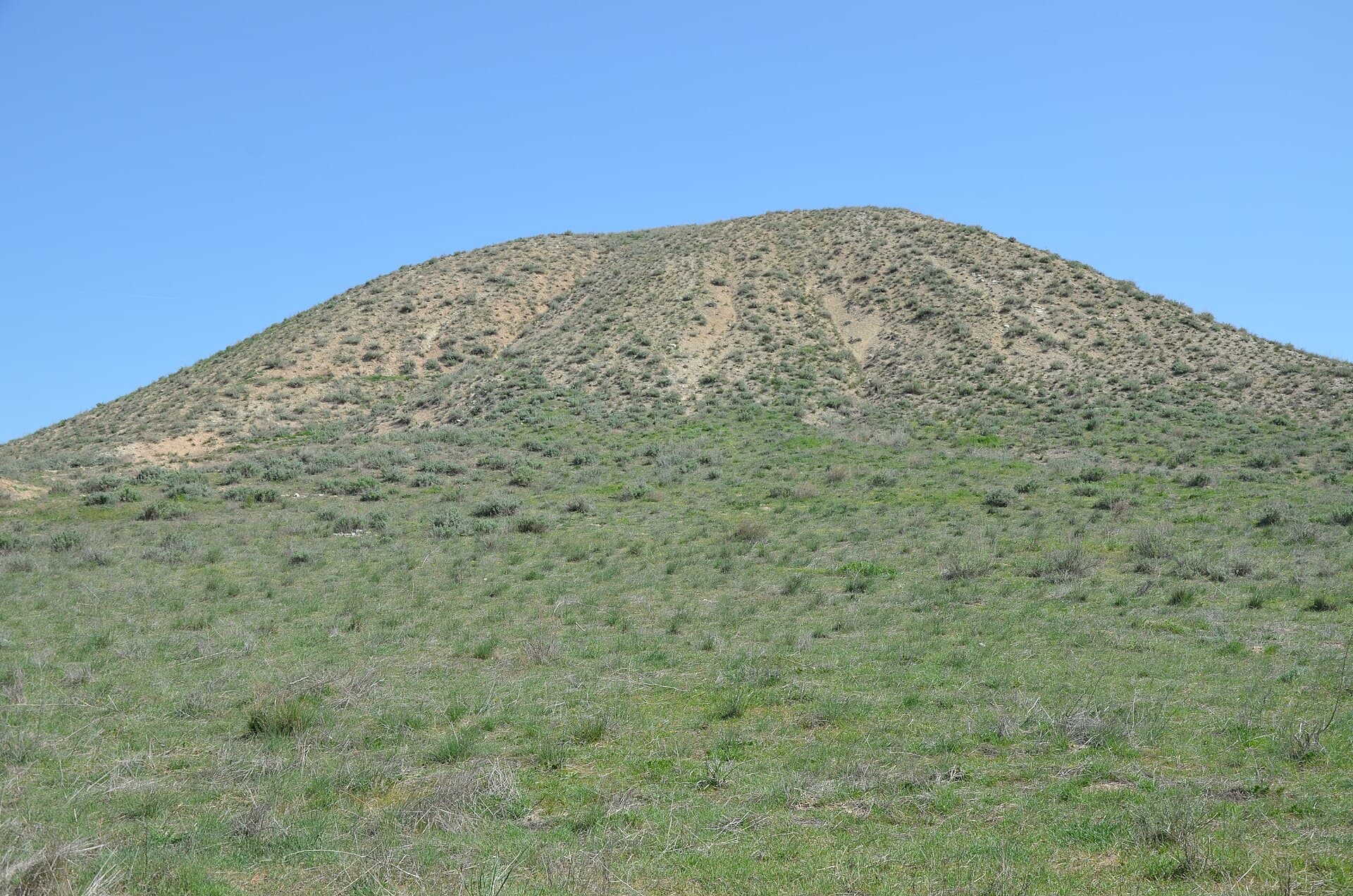
Raised around 740 BCE to bury a Phrygian ruler, the mound stands roughly 53m high and 300m across — Anatolia's second-largest tumulus, after Lydian king Alyattes's tomb at Sardis. Excavated in 1957 by Rodney Young's Penn Museum team, who tunnelled in and found a log-built chamber untouched by looters. Current scholarship identifies the occupant as Midas's father Gordias, not Midas himself, despite the popular name.
What to know before you go
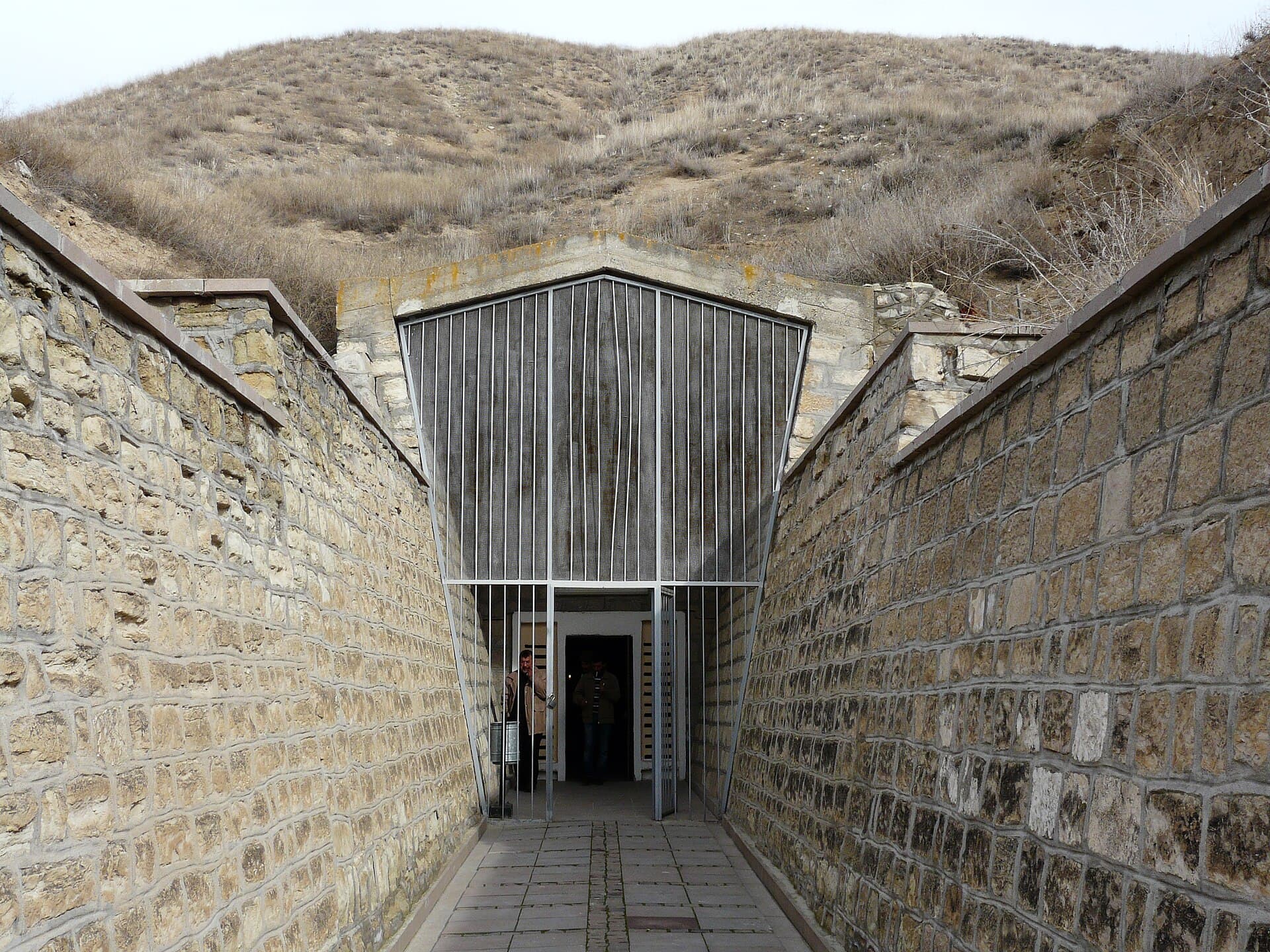
Everyone comes for the same fact: the wooden room at the centre of this mound is the oldest standing wooden building on Earth, built around 740 BCE and still holding its shape after nearly 2,800 years under fifty-three metres of packed earth. It's a genuinely rare thing to be able to say plainly, without hedging — the claim comes from the excavating institution itself, the University of Pennsylvania's Penn Museum, not from a tourism blog rounding up. Be more careful with the second fact everyone repeats: that this is Midas's tomb. It almost certainly isn't. The chamber was opened in 1957, and the body inside — an older man, laid out with bronze cauldrons, wooden furniture and the remains of a funerary feast whose food and drink residues archaeologists have since chemically analysed — is now generally read by the excavation team as Gordias, Midas's father and the dynasty's founder, interred not long before his more famous son took the throne. The Turkish and English names both still say Midas. Go in knowing the mound is one generation earlier than the label suggests, and the story gets better, not worse: this is a father building the largest funerary monument in Anatolia's history to that point, for reasons a son then inherited. You don't walk up and over the mound. You enter through a 70-metre tunnel, cut straight through the packed earth by coal miners brought in for the job in 1957, and it delivers you to a viewing point in front of the chamber itself — horizontal logs stacked like a cabin, roofed the same way, cool and dim regardless of the season outside. The objects that came out of it — the cauldrons, the inlaid furniture, some of the oldest surviving anywhere — aren't here; most are in Ankara's Museum of Anatolian Civilizations, a short selection in the Gordion Museum a few hundred metres away. What you're looking at in the tunnel is the room itself, empty of its contents and worth seeing for exactly that reason: this is construction, not display. In 2024, diggers found a second, related tomb nearby — cremated rather than inhumed, roughly the same age, announced in 2025 — a reminder this necropolis is still an active dig, not a sealed exhibit. Budget forty minutes and don't expect a large space to linger in: just the tunnel, the logs, the dark, and a date that means what it says.