Gordion Museum
The Phrygian collection that stayed local — plus the oldest pebble mosaic in the world, under an open-air shelter across the courtyard.
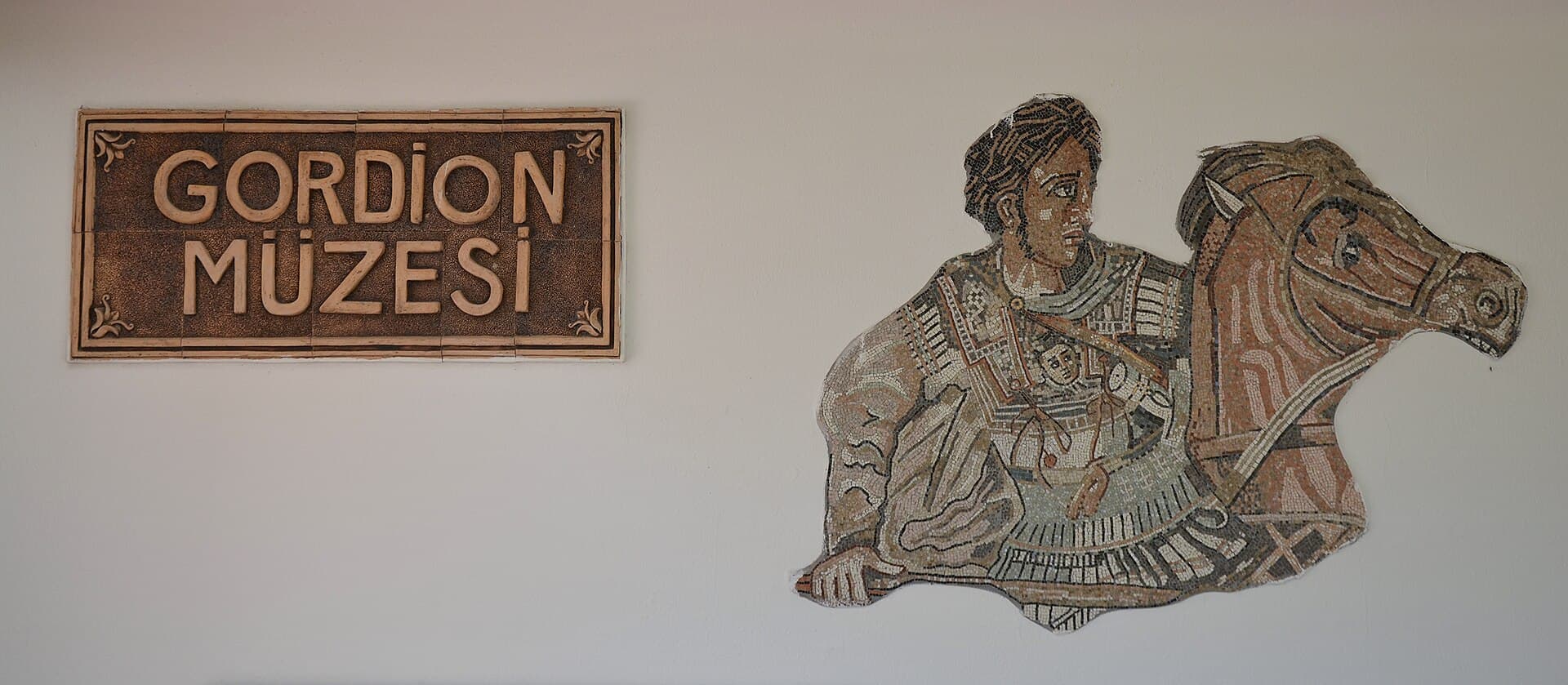
Enough context, no spoilers
Why it matters
Founded 1963 as an outstation of Ankara's Museum of Anatolian Civilizations, expanded since with added galleries, a lab and conference facilities. Holds Gordion's Phrygian pottery, small bronze and ivory finds, and Hellenistic-Roman material, plus the relocated Megaron 2 mosaic. The Gordion Foundation, set up 27 December 2023 after the UNESCO listing, now runs events from an on-site reception building.
What to know before you go
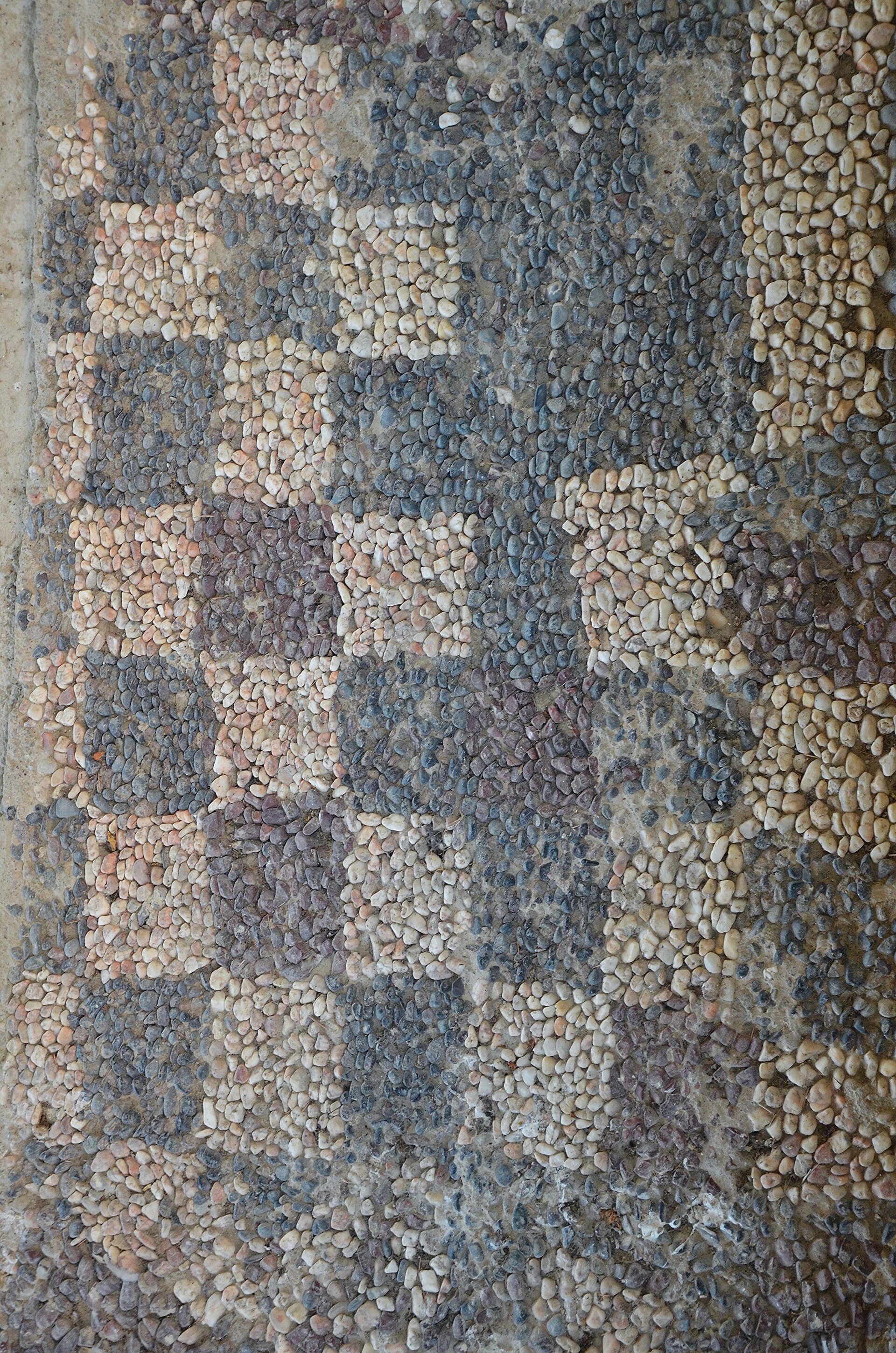
Small museums built for one village get compared unfavourably to the national collections that outrank them, and Gordion's does lose that comparison in one specific way worth stating upfront: the single most famous group of objects from this site — the inlaid wooden furniture and large bronze cauldrons pulled from the Midas Tümülüsü in 1957 — live in Ankara's Museum of Anatolian Civilizations, ninety minutes away, not here. If that furniture is the one thing you came for, this building won't have it. What it does have is everything else, and it's a genuinely good everything else. The museum was founded in 1963 as an outstation of the Ankara museum, expanded since with extra galleries, a lab and a conference room, and it now holds the bulk of Gordion's Phrygian pottery, small bronze and ivory objects, and a coin collection running through the Hellenistic and Roman periods that followed the Phrygian city here. The single best reason to walk in, though, sits under an open-air shelter rather than indoors: the Megaron 2 pebble mosaic, lifted in sections from its original floor on the Citadel Mound and reassembled here, is the earliest known pebble mosaic anywhere in the world — a geometric, hand-set floor from the ninth century BCE, older than anything comparable from Greece by a couple of centuries. It's worth crossing the road for on its own. Treat the museum as the second half of the tumulus visit rather than a separate errand: it's the one indoor stop on a trip that's otherwise entirely outdoor walking under an open Central Anatolian sky, and it's the place that explains, with labels and reconstructed material, what the tunnel into the mound only shows you empty. The Gordion Foundation, set up specifically to promote the site after its 2023 UNESCO listing, has been running events out of a named reception building here since; whether that building is newly constructed or an adapted existing one wasn't confirmed while researching this page, so treat any claim of a brand-new museum building as unconfirmed rather than repeat it as settled. Combine this stop with the tumulus tunnel across the road — they're covered by the same reported ticket, and doing the museum after the mound rather than before means the objects you didn't see in the tomb chamber have context by the time you don't see them.