Ephesus Archaeological Museum
Everything portable that was lifted off Curetes Street ended up here, indoors, a short walk from where it stood.
Enough context, no spoilers
Why it matters
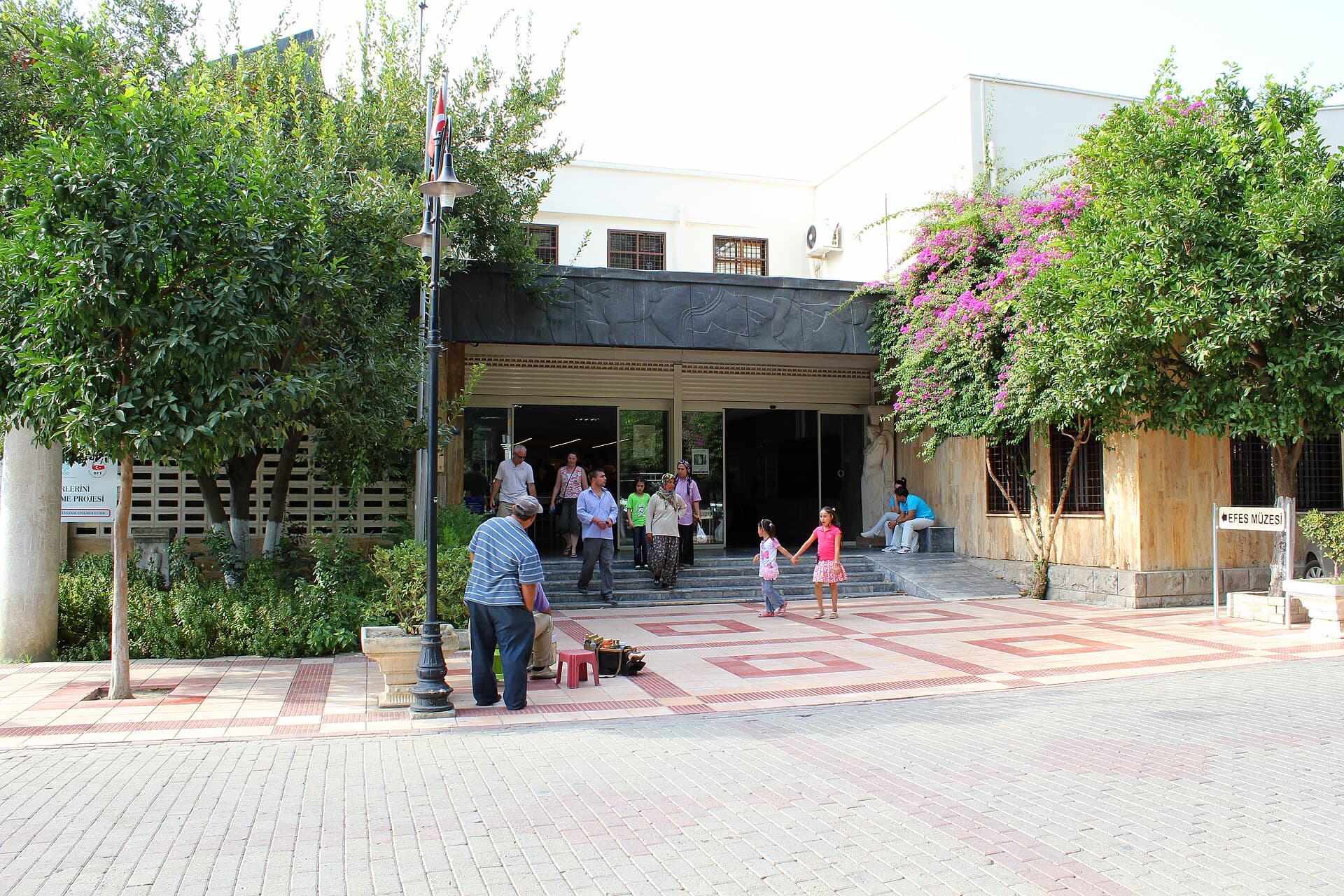
Selçuk's museum holds the movable finds from more than a century of excavation at Ephesus, arranged by where they were found rather than by date. It closed for rebuilding in 2012 and reopened in December 2014 with new galleries and bilingual labelling.
What to know before you go
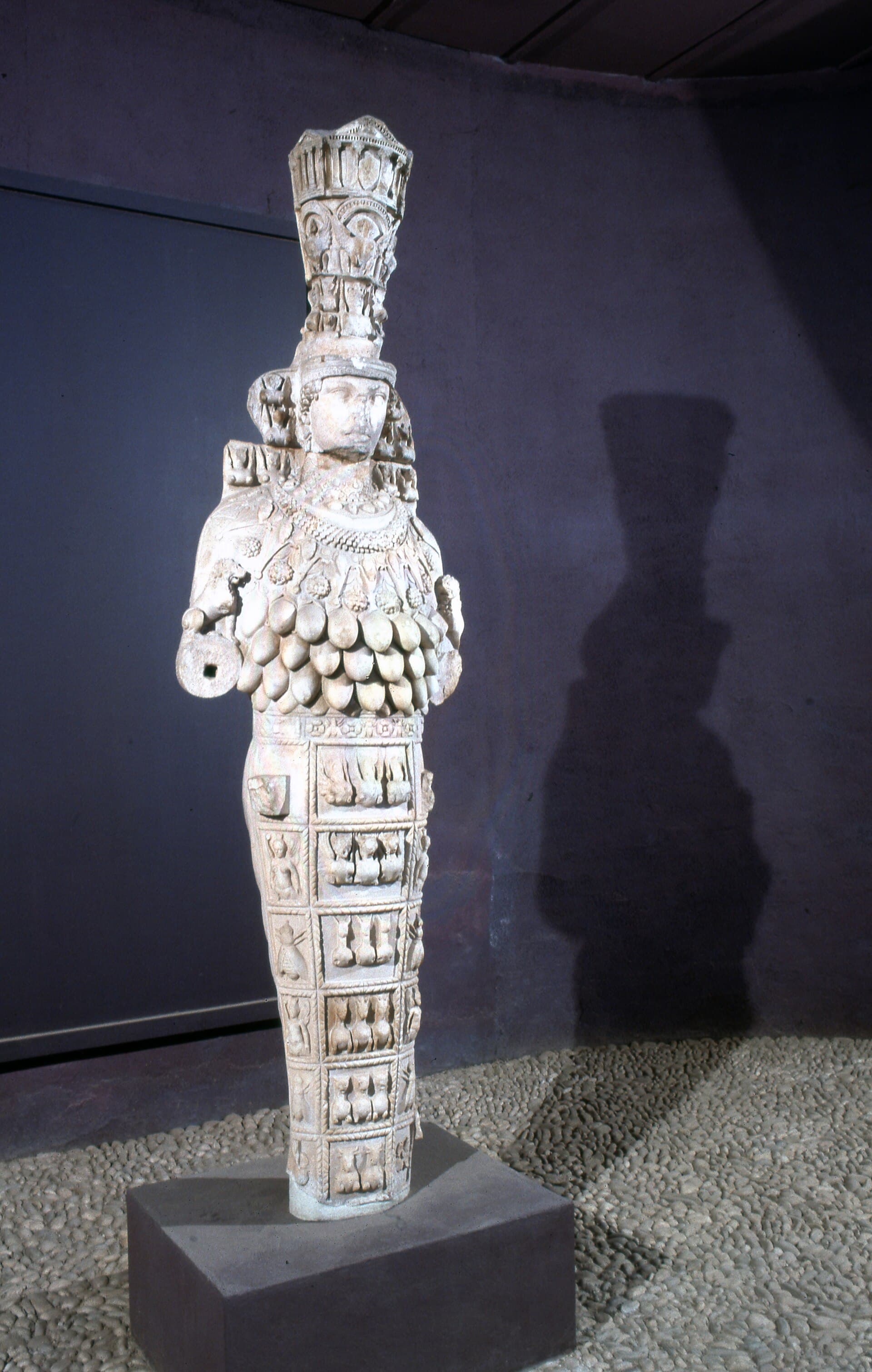
Treat this as the second half of Ephesus rather than an optional extra, because a surprising amount of what you photographed at the site is a copy, and the originals are here. The Temple of Hadrian friezes on Curetes Street are casts; these are the reliefs. The finds from the Terrace Houses are here. So is the bronze Eros on a dolphin, and the ivory frieze, and the head of Eros, and cases of ordinary objects — lamps, surgical instruments, cosmetics, coins — that give you the daily texture the ruins cannot. The arrangement helps: the galleries are organised by findspot rather than chronology, so a room corresponds to a place you have walked through. The two Artemis statues are the reason to come even if you skip everything else. The Colossal Artemis and the Beautiful Artemis stand facing each other in a deliberately darkened room, covered from chest to feet in rows of protrusions that generations of writers called breasts and that are now more often read as bull testicles or as egg-shaped offerings. Nobody is certain. What is certain is that this is the cult image that made Ephesus rich — the thing the silversmiths were selling copies of, the reason the temple was one of the Seven Wonders, and the figure Demetrius thought Paul was going to put out of business. Standing in front of her is what makes the empty field at the Artemision legible. There is a practical argument too. This is an indoor, air-conditioned building ten minutes' walk from where you are sleeping if you have taken our advice and based yourself in Selçuk. On a July afternoon, when the archaeological site becomes genuinely unpleasant, this is where the day should go. Which also makes it busiest in the early afternoon in summer — a price worth paying.