Tombs of Osman Gazi and Orhan Gazi
The graves of the two men who founded the Ottoman state — inside a rebuilt Byzantine church, because the originals didn't survive 1855.
Enough context, no spoilers
Why it matters
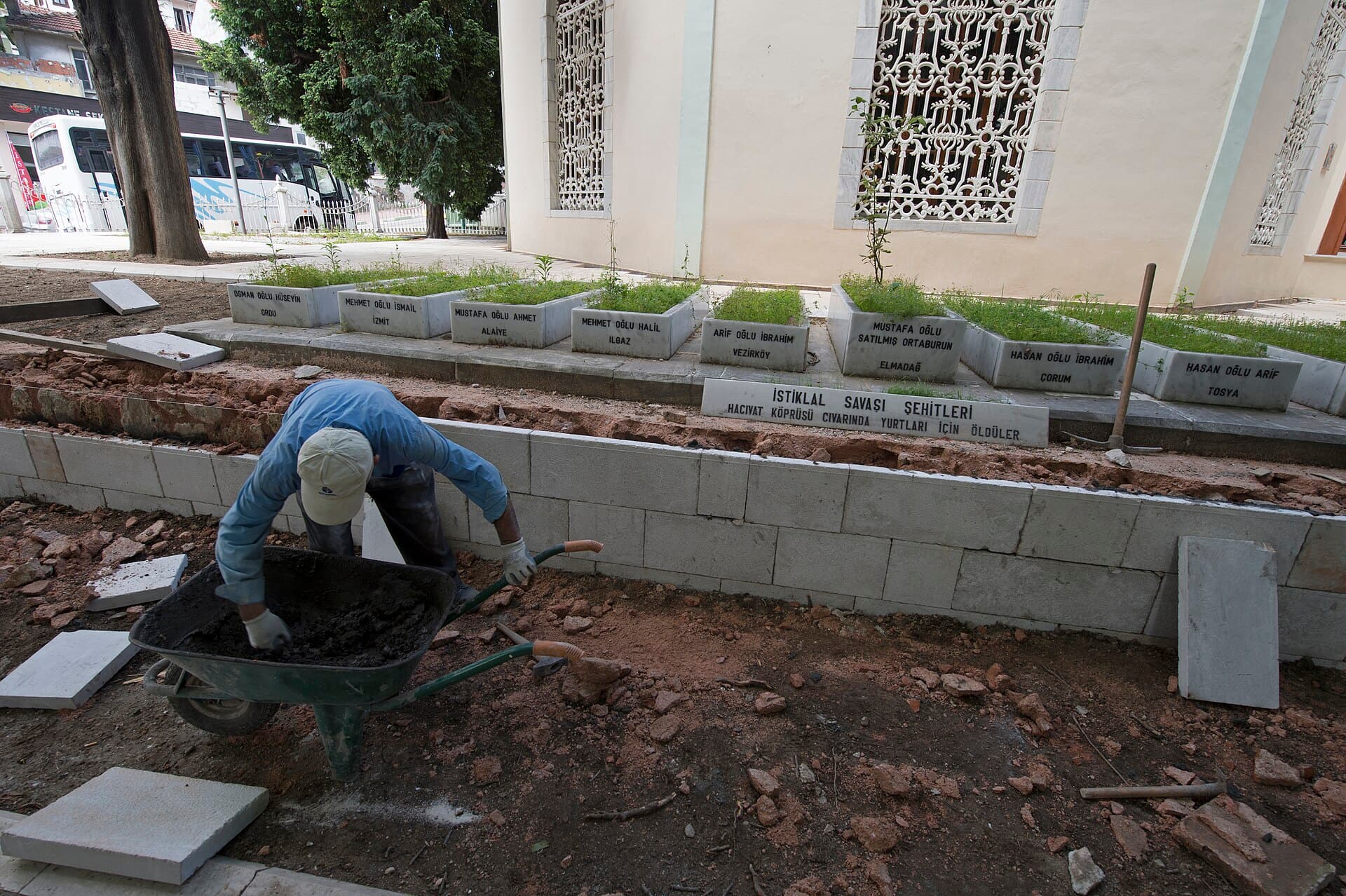
Osman Gazi, who never lived to see Bursa fall, was buried here by his son Orhan in 1326 in a converted Byzantine structure known as the Gümüşlü Kubbe, the Silver Dome. Orhan's own tomb next door occupies the former church of a monastery documented on this hill since at least the 11th century. Fire damaged Osman's tomb in 1801; the 1855 earthquake destroyed Orhan's outright. Sultan Abdülaziz rebuilt both in 1863.
What to know before you go
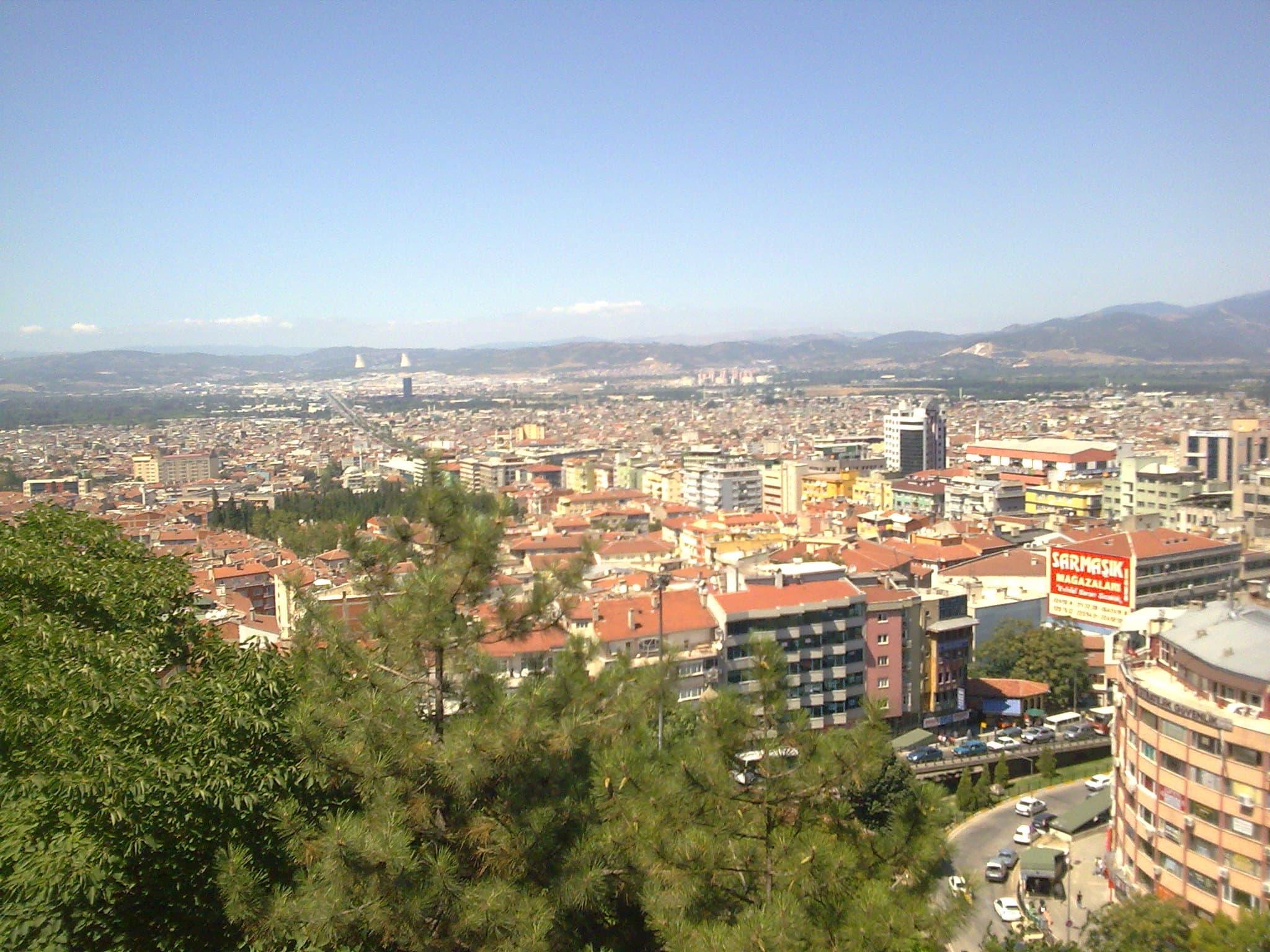
Start here, before anything else in Bursa, because everything else in the city is downstream of what happened on this hill. Osman Gazi was a minor frontier chieftain who spent decades besieging Bursa and died without ever taking it. His son Orhan finished the siege in 1326 and buried his father inside a converted Byzantine structure the Ottomans called the Gümüşlü Kubbe, the Silver Dome — appropriating a Christian building to bury the man whose name the entire empire would eventually carry. Orhan himself is buried next door, in the former church of a monastery documented on this hill since at least the 11th century. That detail is worth sitting with: the two founders of an empire that would rule from the Balkans to Arabia for six centuries are buried inside repurposed Byzantine churches, on the hill they captured to start it. What you're actually looking at, though, is mostly nineteenth century. Fire damaged Osman's tomb badly in 1801. The 1855 earthquake that flattened large parts of Bursa destroyed Orhan's tomb structure completely — it didn't survive as a ruin, it came down. Sultan Abdülaziz rebuilt both in 1863, and the domed, tiled halls you walk into today are his reconstruction, not the medieval originals. That's less a disappointment than an honest continuity: an empire that kept rebuilding its own founding monument every time an earthquake or fire took it, because the site mattered more than any particular building standing on it. The two sarcophagi sit a few steps apart, Osman's under the left dome, Orhan's under the right, both draped and railed rather than openly displayed. Give it less time than the history deserves — fifteen or twenty minutes covers the tombs properly — and spend the rest of your visit on what surrounds them. This is Tophane, the old citadel hill, and the ramparts behind the tombs open onto the best free view in Bursa: the Gökdere valley cutting below you, and on the opposite slope the tiled dome of the Green Mosque catching the light. The 1905 clock tower stands in the same small park. Come in the late afternoon and you'll have the terrace mostly to retired Bursa residents playing backgammon over tea — exactly the right company for sitting with this particular piece of history.