Green Mosque (Yeşil Cami)
The tile masterpiece of early Ottoman architecture — finished four years after the sultan who commissioned it was already dead.
Enough context, no spoilers
Why it matters
Commissioned by Sultan Mehmed I after he reunified the Ottoman state following a decade-long civil war among his brothers, built from 1412 by the architect Hacı İvaz Pasha. The structure was substantially complete by 1420; the tilework, made partly by craftsmen from Tabriz, was not finished until August 1424 — three years after Mehmed died in Edirne. His tomb stands across the plaza.
What to know before you go
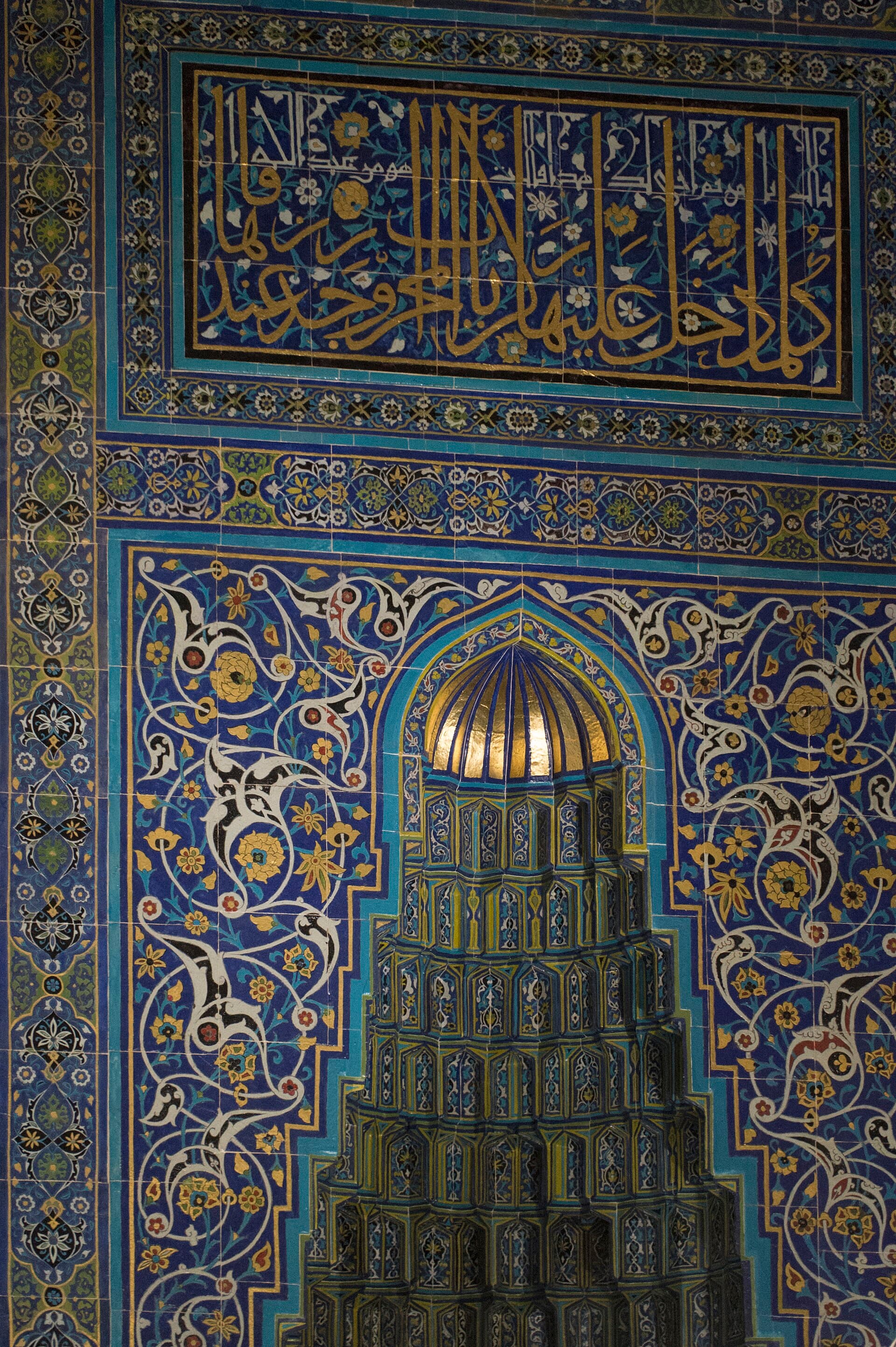
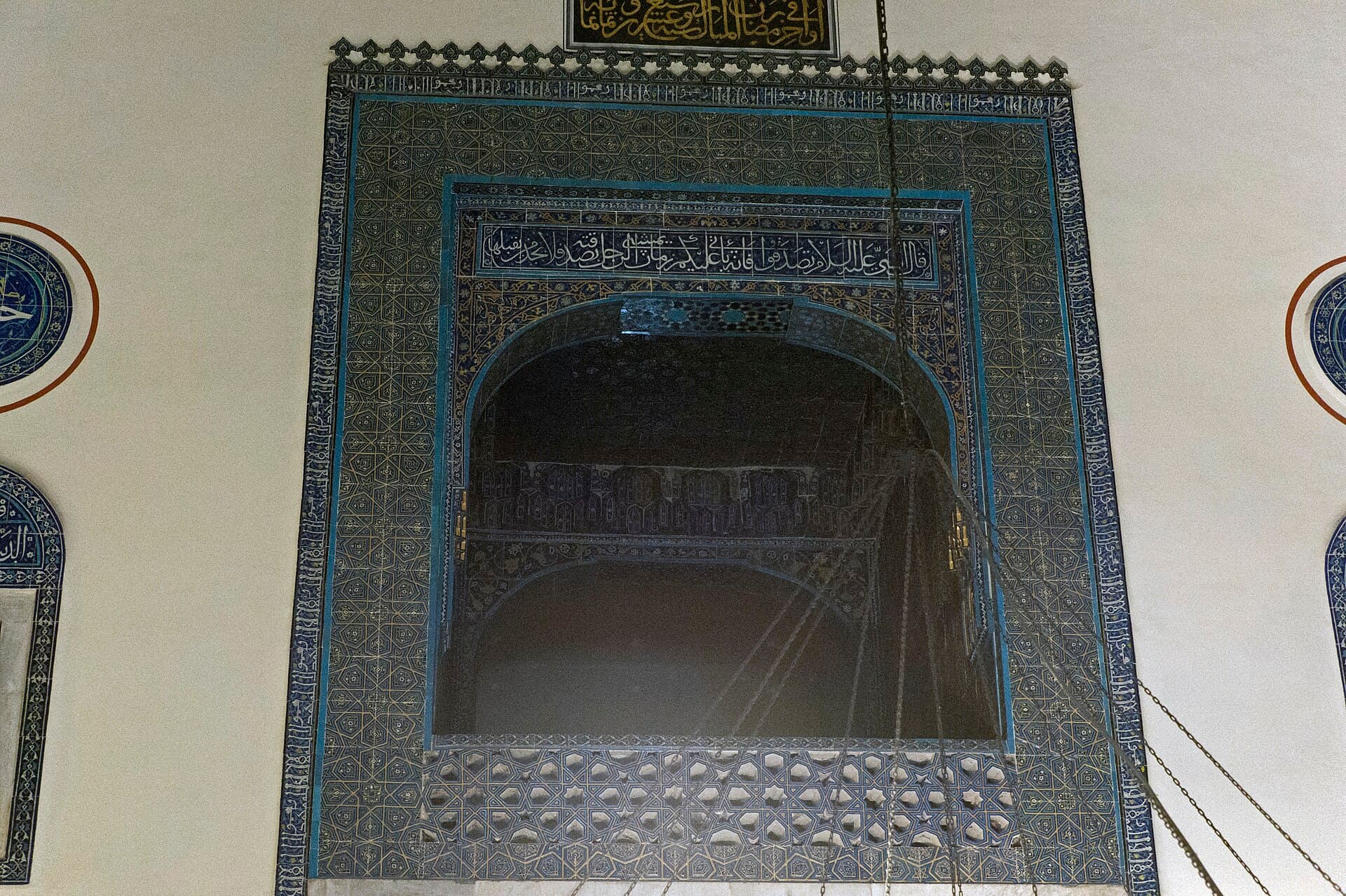
Everyone comes for the tiles, and the tiles are worth it — but the more interesting fact about the Green Mosque is that the man who commissioned it never saw it finished. Mehmed I spent the years before his reign fighting his own brothers for the Ottoman throne in a civil war that nearly ended the state Osman and Orhan had built at Bursa a century earlier. When he won, he marked it by starting this mosque in 1412, the year after order returned. The building itself — a reverse-T plan, twin domes, a mihrab wall glowing with tile — was structurally finished by 1420. Then came the part that actually made it famous, and it took four more years: sheets of hexagonal and star tile, deep green and turquoise and a blue verging on black, applied panel by panel up walls that most Ottoman mosques left plain stone. An inscription over the mihrab names the source directly — "the work of the masters of Tabriz" — because the best tile craftsmen available in 1420s Anatolia were Persian, trained in a tradition Timur's conquests had scattered west. The decoration wasn't finished until August 1424. Mehmed I had died in Edirne three years earlier, in 1421. He is buried across the plaza, in a tomb tiled by the same workshop, and never once stood in the room built to hold his prayers. That room is worth finding on your own: a raised, screened loge above and to the right of the entrance, faced in the building's most elaborate tilework, reserved for the sultan alone so he could pray without being seen by the congregation below. Everything else in the mosque works as a frame for that wall and that loge — the mihrab itself is a tour de force of tile in a way almost nothing built after it in Bursa matched, because the İznik workshops that later supplied the whole empire hadn't yet reached this level of ambition. Go in the morning, when light from the east-facing windows catches the glaze rather than washing it out, and go on a weekday if you can — this is an active mosque, not a museum, and it closes to visitors during each of the five daily prayers and for the whole of Friday midday. Entry is free, as with every working mosque in Turkey. Give it half an hour: less than that and you'll photograph the mihrab and miss the loge; more than that and you're better off spending the extra time at the tomb across the square, which rewards it just as much.