Behramkale Village
A working stone village of some 150 houses below the ruins, protected for three decades so it stayed exactly the size it always was.
Enough context, no spoilers
Why it matters
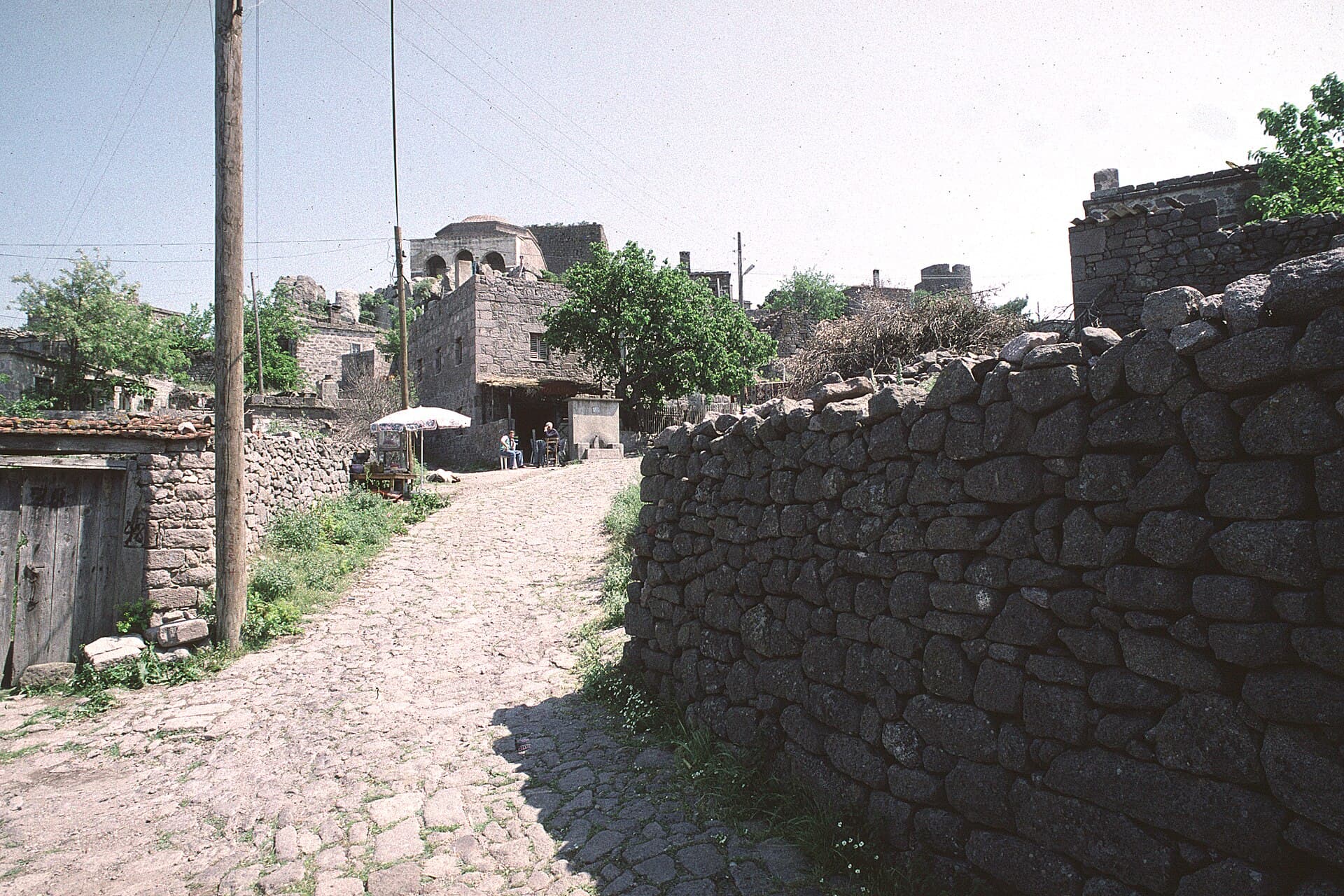
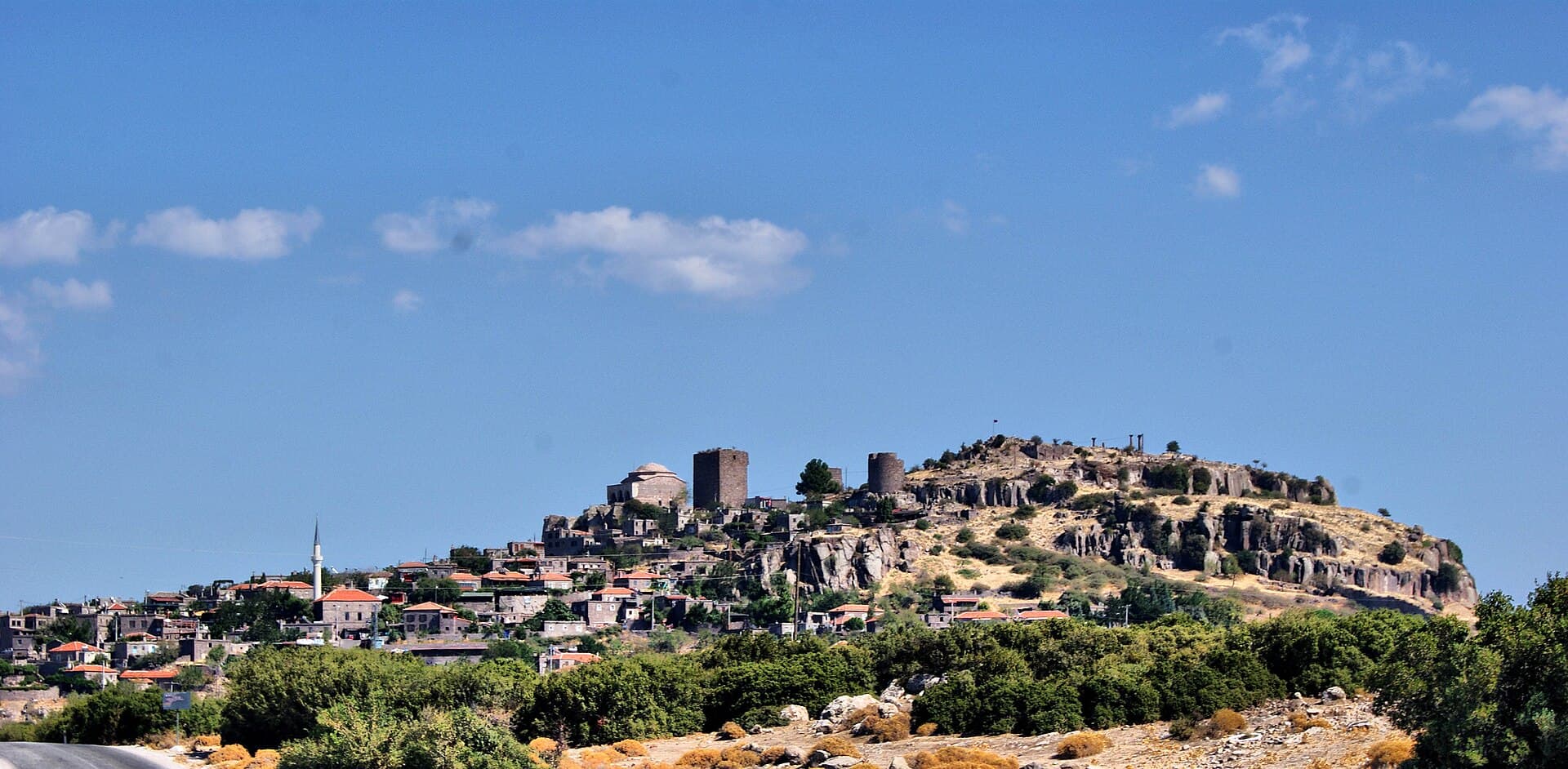
Behramkale, the modern village at and below the Assos acropolis, has been under a construction-protection order for roughly 30 years, permitting only restoration of its existing stone houses — a rule that kept it at its historic scale of around 150 buildings while nearby coastal towns grew freely.
What to know before you go
Most visitors come to Assos for the ruins on the hilltop, but Behramkale, the village wrapped around and below them, is worth treating as a destination in its own right rather than a car park with a nice view. It's small by design as much as by history: roughly 150 stone houses, and for about three decades a construction-protection order has permitted only restoration of what's already standing, nothing new. That single rule is the reason Behramkale still reads as a coherent historic settlement rather than the scattered new-build sprawl that's overtaken so much of this coastline - walk its lanes and every building you pass is either genuinely old or a careful restoration of something that was. A good number of those restored houses now work as small guesthouses and cafés, which gives the village a quiet, lived-in tourist economy rather than a resort one: you're renting a room in an actual historic house, not a purpose-built hotel dressed up to look like one. The plane-tree-shaded square near the village centre is the natural place to slow down - tea gardens here catch the afternoon light and make an easy stopping point between the acropolis climb above and the walk down to the harbour below, itself close to two kilometres downhill. That descent is worth doing on foot if your legs are willing: the road switches back through olive groves with the temple's columns visible on the crag above for much of the way, framing the whole visit in a single continuous view rather than three disconnected stops. Because Behramkale is genuinely small, an hour or two covers its lanes properly; the value is less in ticking off named sights and more in the pace itself - this is one of the few places on this coast where a village looks essentially as it must have a century ago, protected as much by its own building code as by any heritage designation.