Museum of Anatolian Civilizations
Hittite, Phrygian, Urartian and Lydian collections in a restored 15th-century Ottoman market — one of Turkey's best archaeological museums.
Enough context, no spoilers
Why it matters
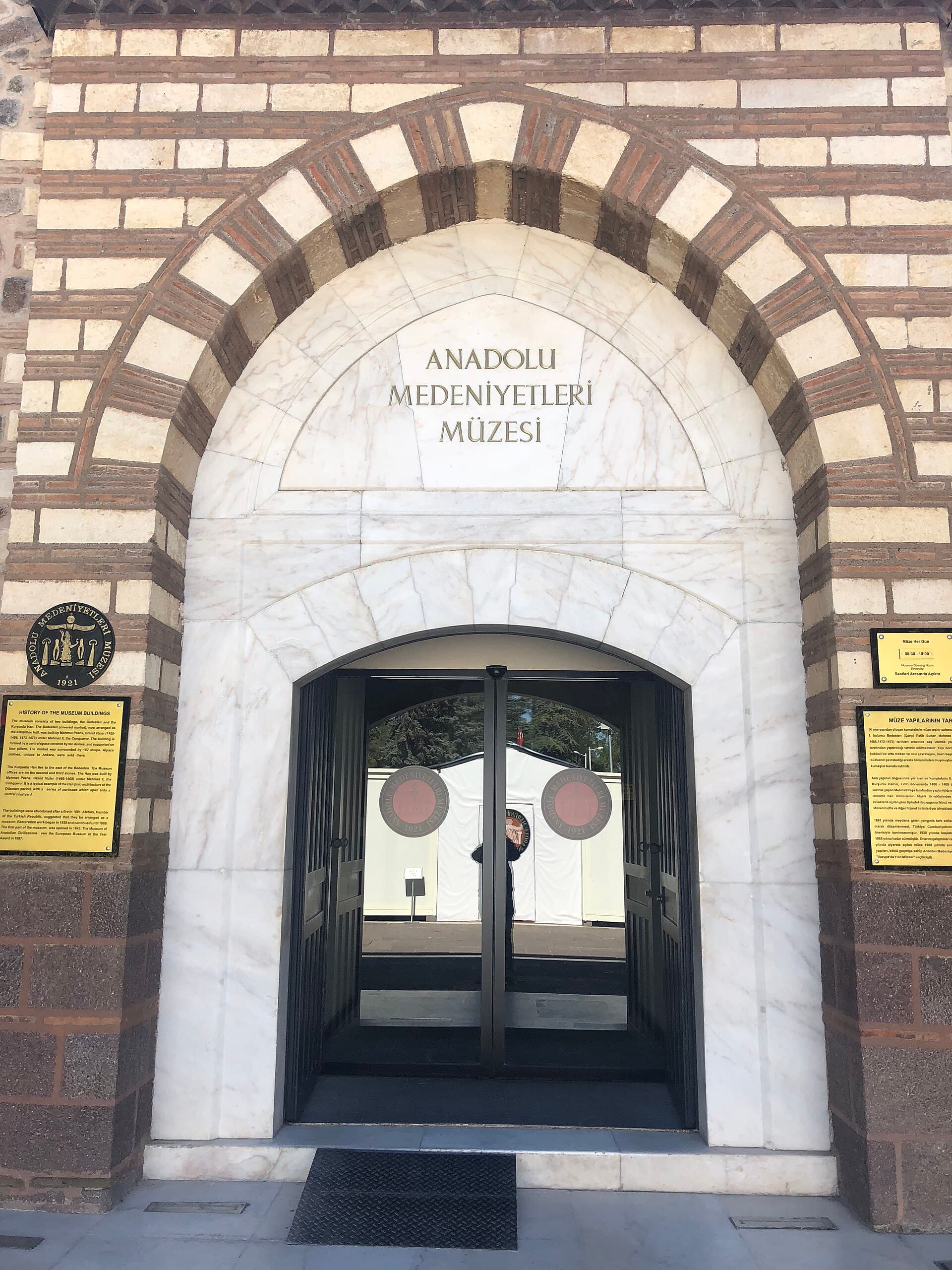
Housed since the 1960s in two Ottoman buildings on Ankara Castle's slope: the Mahmut Pasha Bedesteni, a covered market built 1464–71 for the vizier Mahmut Pasha, and the adjoining Kurşunlu Han. In 1997 it was judged European Museum of the Year, ranked first among 68 competing museums at the European Museum Forum in Lausanne.
What to know before you go
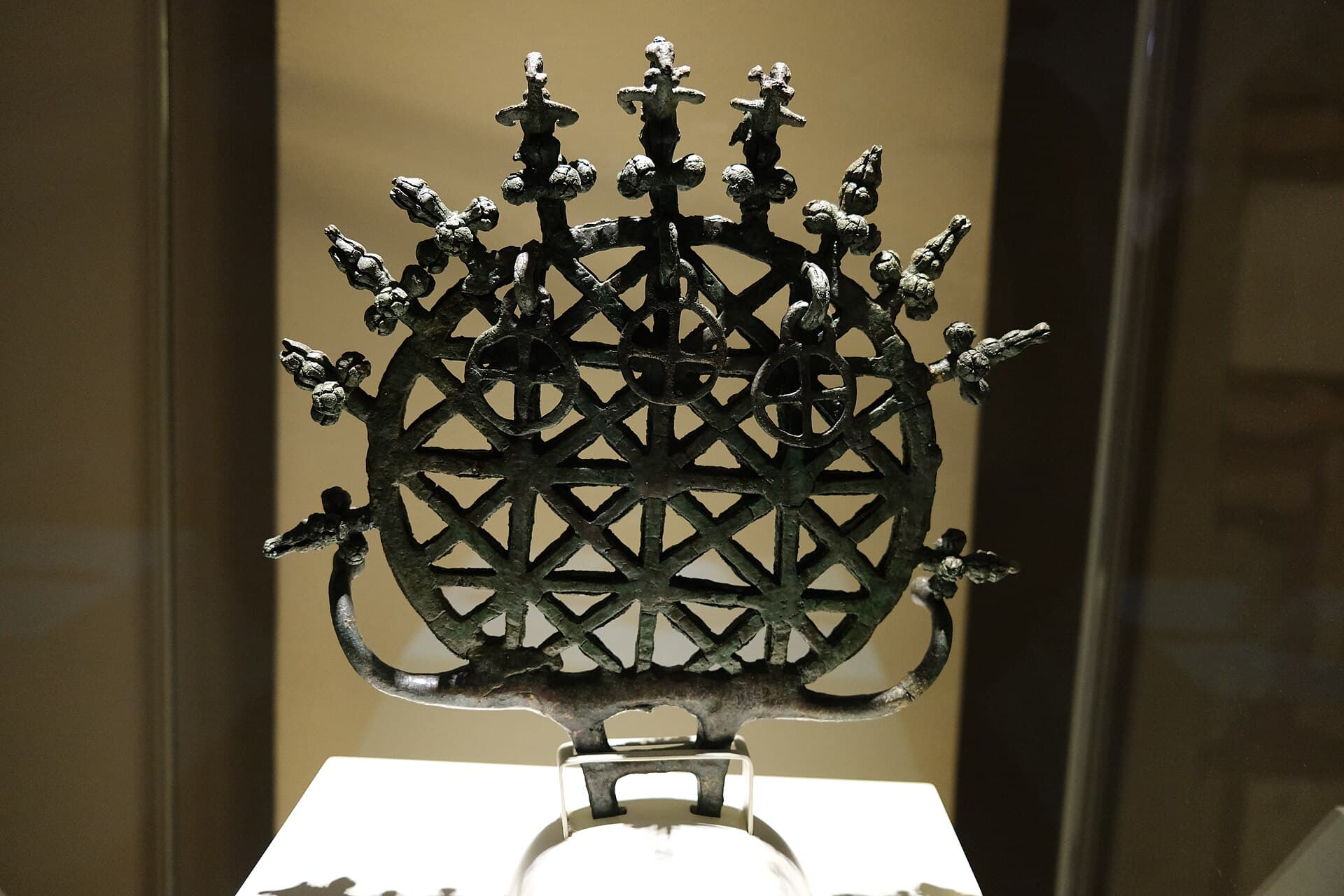
Ankara's case for itself as more than a government town rests substantially on this one building. The Museum of Anatolian Civilizations gathers the material record of everyone who built something in central Turkey before the Greeks and Romans arrived at the coasts, and arranges it so the sequence, not just the objects, makes sense. It is compact enough to finish in an unhurried morning, dense enough to reward one. The building is itself part of the story. The main hall is the Mahmut Pasha Bedesteni, a covered market raised in 1464–71 for one of Mehmed the Conqueror's viziers, its stone vaults now sheltering display cases instead of cloth merchants. The adjoining Kurşunlu Han, once a caravanserai, holds the offices and library. In 1997 the museum was judged the best in Europe, first among 68 entries at the European Museum Forum in Lausanne — a credential that still holds up on a walk through the galleries. Go in roughly chronological order and the collection tells a real story. It opens with the Neolithic: material from Çatalhöyük, one of the world's earliest large settlements, including a wall painting some read as a plan of the town itself, with a twin-peaked volcano erupting behind it. It moves to the Bronze Age royal tombs of Alacahöyük, where gold and bronze grave goods include the sun-disc standards now used as shorthand for Anatolian archaeology generally. It passes through Kültepe, ancient Kanesh, where thousands of clay tablets in cuneiform script record an Assyrian merchant colony's contracts and debts — some of the earliest written business records anywhere. And it reaches the Phrygians of Gordion, Midas's capital, by way of carved wooden furniture pulled from burial mounds: among the oldest wooden furniture known to survive anywhere. What makes this more than a procession of fine objects is that Ankara itself, ancient Ancyra, closes the loop. Walk from here to the Temple of Augustus across town and you are looking at what this museum's Roman-era galleries describe: a Galatian settlement absorbed into the empire, still visible in stone a few streets away. Come in the middle of the day if the season is hot — this is indoor, air-conditioned and unhurried, unlike almost everything else on this list. The ticket office keeps shorter hours than the museum itself, so do not arrive at the last minute.