Ankara Ethnography Museum
Where Atatürk actually lay for fifteen years before Anıtkabir was ready — and a real Seljuk and Ottoman collection in its own right.
Enough context, no spoilers
Why it matters
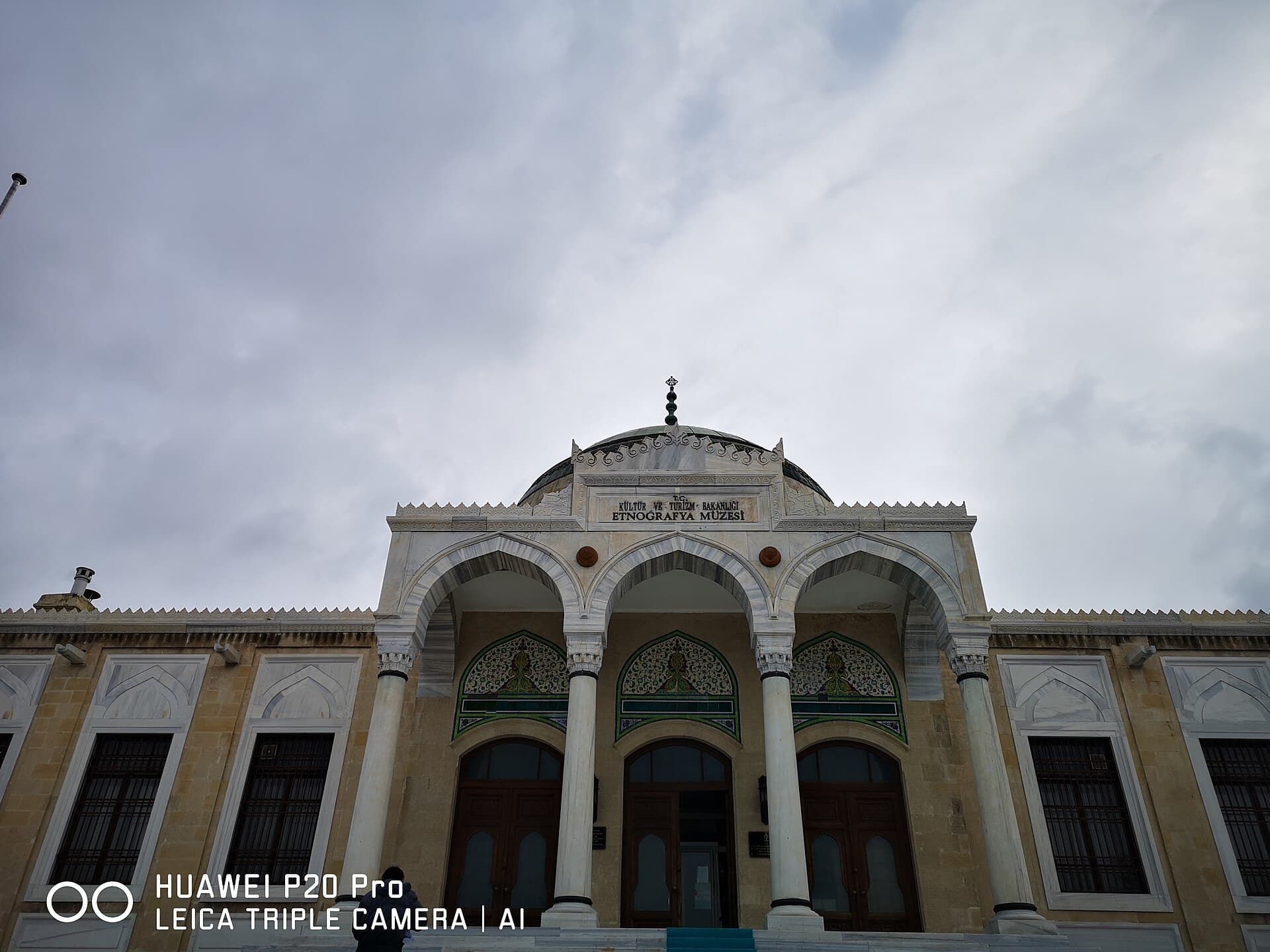
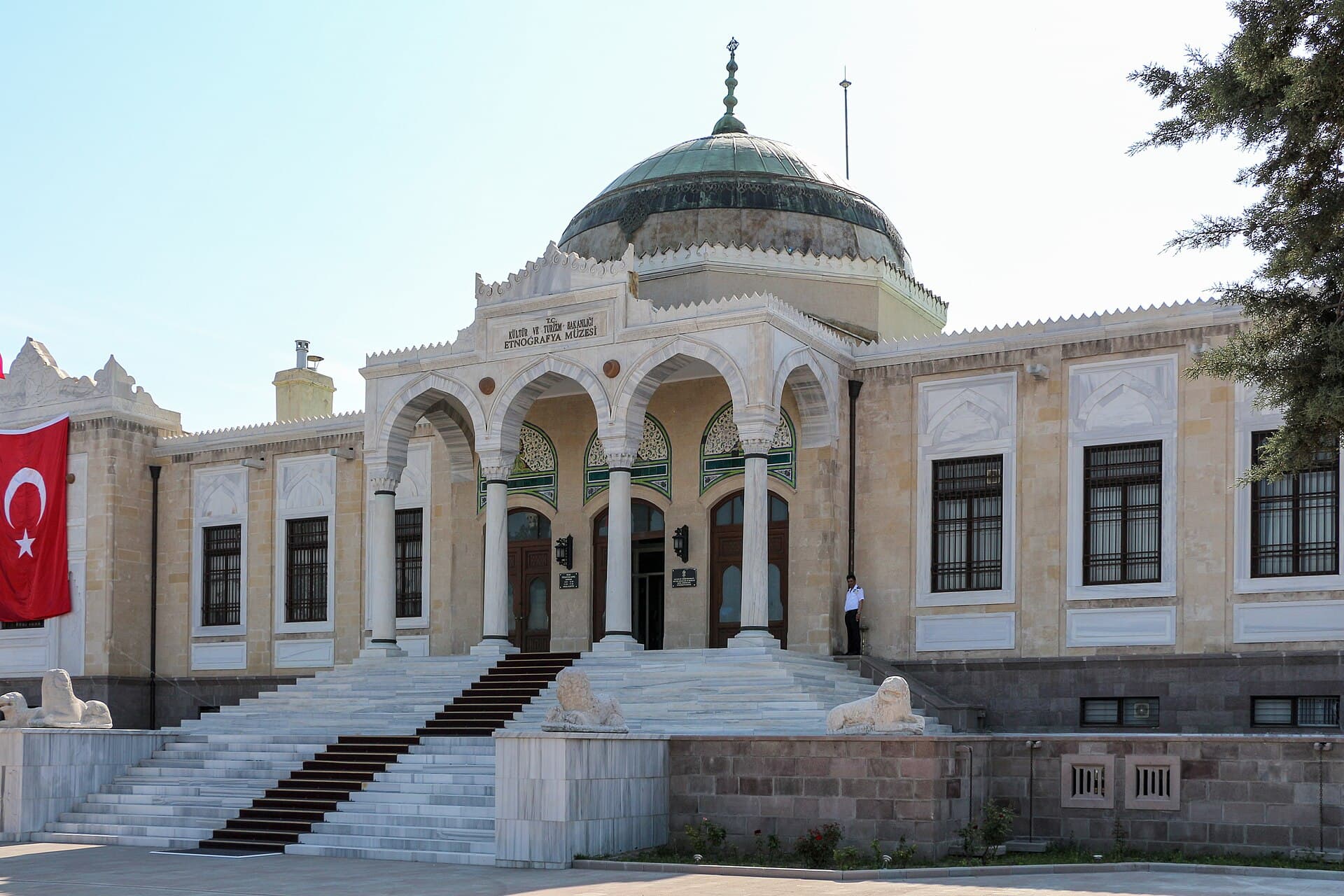
Opened 18 July 1930, the first purpose-built museum of the new Turkish Republic, designed by Arif Hikmet Koyunoğlu. From 21 November 1938, days after Atatürk's death, his body lay in a temporary tomb in the domed central hall until Anıtkabir was finished; it moved there on 10 November 1953. Pietro Canonica's 1927 bronze equestrian statue of Atatürk stands at the entrance.
What to know before you go
This museum makes more sense once you know what happened here in 1938, and it is worth visiting for that alone even before you look at a single carpet. When Atatürk died on 10 November 1938, Anıtkabir did not yet exist — it had not even been designed. His body was brought here, to a purpose-built domed hall in what was then Ankara's newest museum, and lay in a temporary tomb for fifteen years while the mausoleum was planned, argued over and built. The spot is still marked. Outside, Pietro Canonica's 1927 bronze of Atatürk on horseback, one of the earliest public statues of him anywhere, faces the entrance. That history alone would justify a stop, but the museum is not only a footnote to Anıtkabir. Opened in 1930, it was the first museum the new Republic built rather than inherited, designed by Arif Hikmet Koyunoğlu in a single-domed rectangular plan with nine smaller rooms arranged around the central hall. What fills those rooms is a genuine Seljuk and Ottoman ethnographic collection: the 13th-century wooden throne of the Seljuk sultan Kaykhusraw III, Seljuk ceramics, 16th-century İznik tiles and Kütahya ware, carpets and kilims from named weaving centres — Uşak, Bergama, Kula, Milas, Ladik — bridal costumes, embroidery, calligraphy and Sufi devotional objects. It is Anatolian daily and religious life across several centuries, shown through objects rather than reconstructions. Pair it with Anıtkabir rather than instead of it. Visiting the room where Atatürk actually rested first, before seeing the mausoleum built to hold him permanently, gives the larger site a weight that arriving cold does not supply on its own. The two sit roughly twenty minutes apart by taxi, or a longer stretch by metro and foot, and the order — here first, Anıtkabir after, or the reverse to end on the more solemn note — is a genuine choice worth making deliberately rather than defaulting to whichever appears first on a map.