Ankara Castle
A citadel rebuilt by Phrygians, Galatians, Romans, Byzantines, Seljuks and Ottomans — free to enter, with the best view of the old city.
Enough context, no spoilers
Why it matters
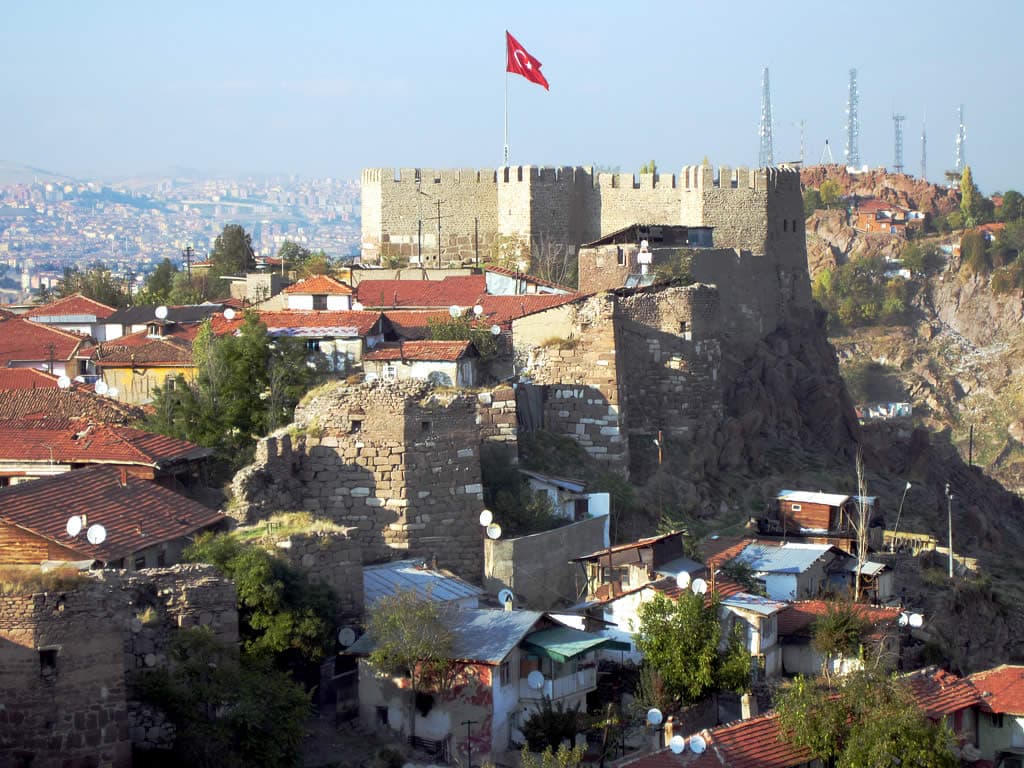
The hill has carried fortifications since the Phrygians in the 8th century BC, rebuilt by the Galatians in 278 BC and repeatedly again under Rome, Byzantium, the Seljuks and the Ottomans, each reusing the last builders' stone. Two rings of walls survive: an inner circuit with closely spaced towers and an outer one, enclosing the old quarter below the keep.
What to know before you go
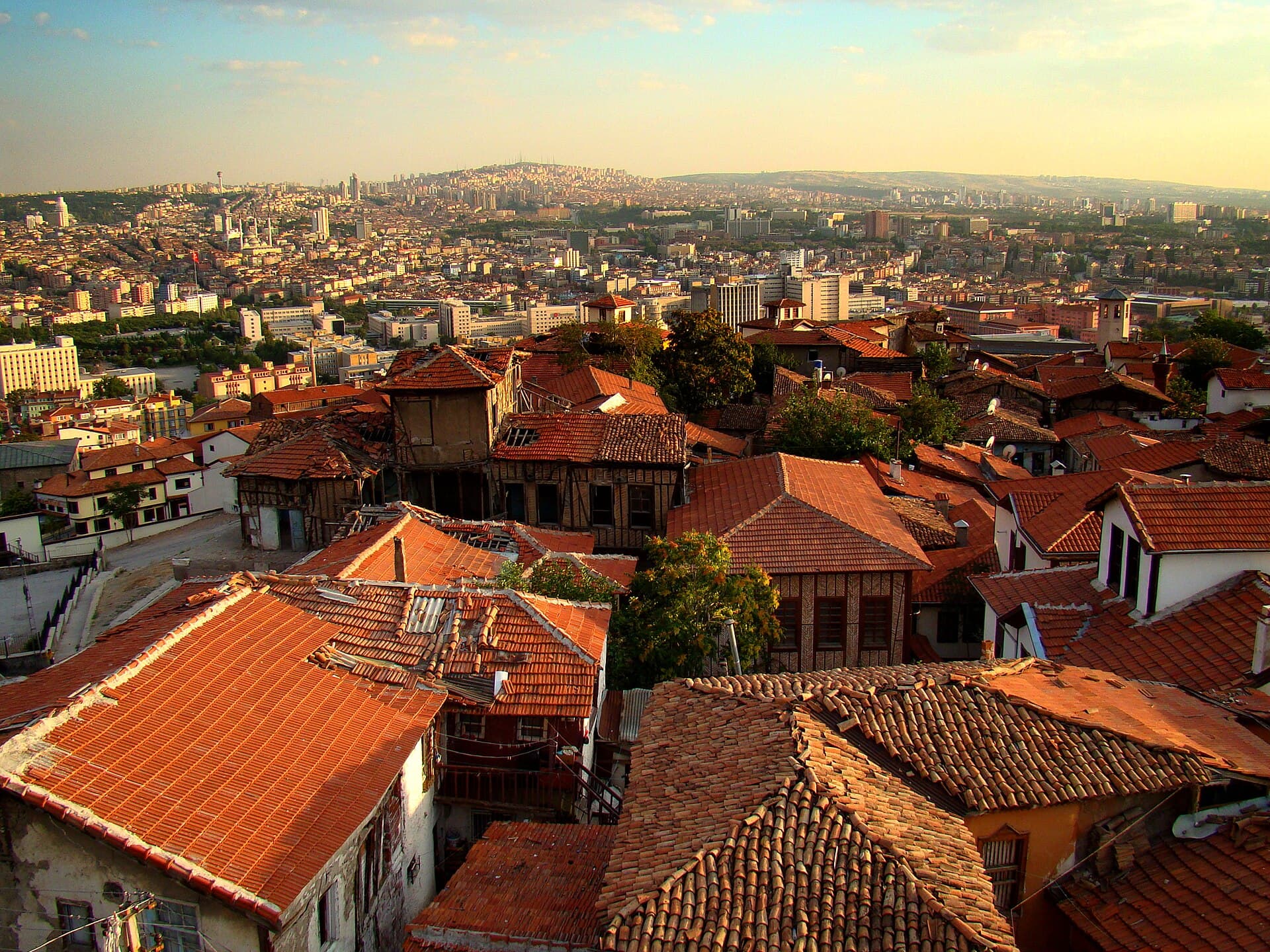
Ankara Castle is the one place in this city where the layering is visible without a museum label explaining it. Nothing here has been reconstructed for effect. What stands is what survived — a hilltop refortified by whoever controlled the city next, generation after generation, using whatever stone was already lying around from the generation before. Look closely at the curtain walls and you will find column drums and carved blocks that started life somewhere else entirely, probably in the Roman city whose Temple of Augustus still stands a short walk downhill. There were fortifications here from the Phrygians in the 8th century BC. The Galatians rebuilt it in 278 BC. Rome, Byzantium, the Seljuks and finally the Ottomans each took it in turn and each left their own courses of stone in the walls. Two full rings survive: an inner circuit of closely spaced towers around the summit, and an outer wall lower down, enclosing what became, over centuries, a working neighbourhood — the wooden Ottoman houses of the old quarter, many now restored as cafés and small shops inside the walls themselves. Entry to the outer walls is free and unticketed, and there is no fixed closing time, which makes this the natural end to a day spent in the Ulus museums below. Climb toward the Alitaş or Şark Kulesi towers for the widest views: south over Hamamönü's restored rooftops, and out across the basin that the whole modern city now fills, government towers included. It is the one moment on this itinerary where Ankara reads as a genuinely old place rather than a twentieth-century capital built on top of one. Take the climb seriously as a climb. The lanes inside the walls are steep, narrow and cobbled, and while recent work has added railings at some towers and bilingual warning signs after visitor complaints, plenty of wall-top sections still have unguarded drops. Go in daylight, wear shoes that grip, and do not lean on anything. The castle rewards unhurried wandering more than a fixed route — there is little signage, and that is part of its appeal rather than a failure of it.