Anıtkabir
Atatürk's mausoleum — approached by Turks with the gravity of a national shrine, not a photo stop. Come prepared to match that.
Enough context, no spoilers
Why it matters
Built after Mustafa Kemal Atatürk's death in 1938; his body lay in Ankara's Ethnography Museum for fifteen years while the design was chosen and built. Turkish architects Emin Onat and Ahmet Orhan Arda won the competition. Construction began 9 October 1944 and finished 1 September 1953; his remains were transferred here on 10 November 1953, the fifteenth anniversary of his death.
What to know before you go
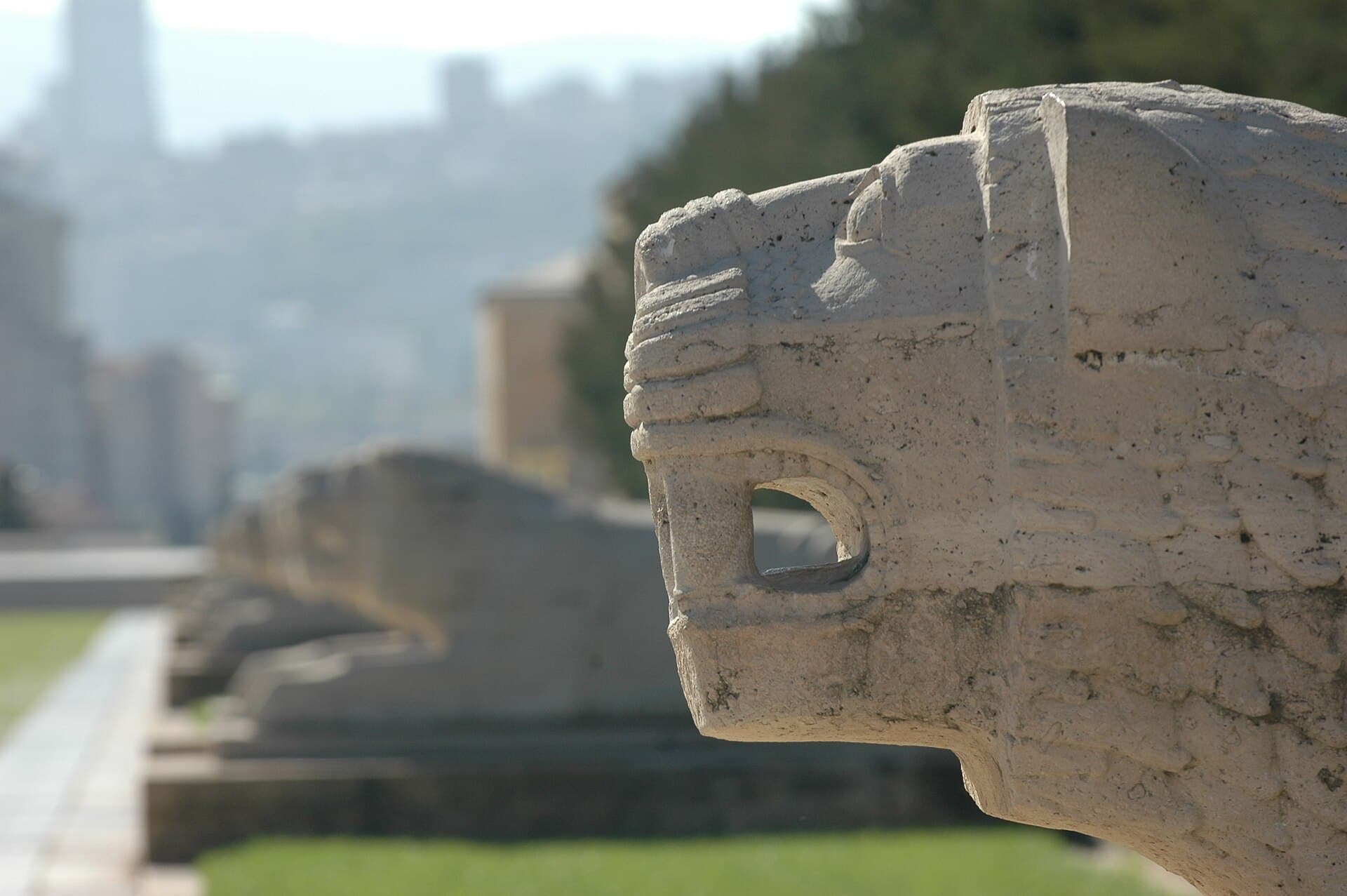
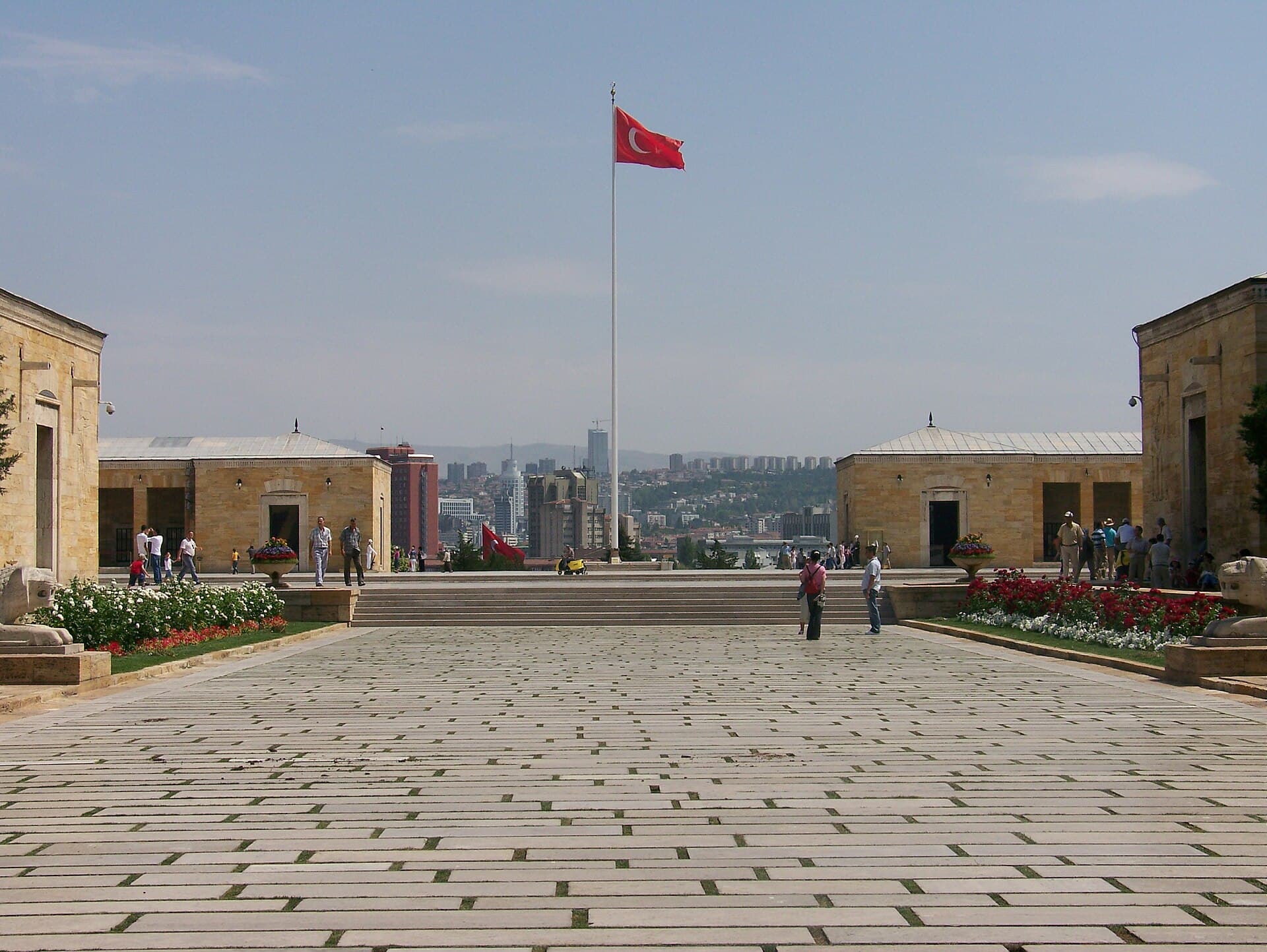
Anıtkabir is not a sight to fit between two others. It is where Turkey keeps the founder of the republic, and Turks visit it the way other nations visit a war memorial or a head of state's grave: in family groups, in near-silence, often visibly moved. A foreign visitor should walk in already knowing that, because nothing about the architecture will announce it as fragile or foreign — it reads as enormous and calm, which is exactly the intended effect. The mausoleum took nine years. Atatürk died on 10 November 1938; his body lay in the domed hall of Ankara's Ethnography Museum for fifteen years while a design competition ran and the site was built. Turkish architects Emin Onat and Ahmet Orhan Arda won it, working in a spare, monumental style — the Second National Architecture Movement — that borrows scale and restraint from Seljuk, Ottoman and Hittite building rather than from any single one. The first stone was laid on 9 October 1944; the last stage, the Hall of Honour's marble floor, was finished on 1 September 1953. His remains were moved here on 10 November 1953, fifteen years to the day after his death. You approach on foot along Aslanlı Yol, the Road of Lions: 262 metres, 24 seated lion figures in Hittite style, twelve facing twelve, each pair standing for one of the 24 Oğuz Turkic tribes. It sets the pace deliberately slow. Inside the Hall of Honour, the sarcophagus that dominates the room — a single 40-tonne block of marble — is not a coffin. It is a cenotaph. Atatürk's actual remains rest in a sealed chamber beneath the hall, reached by a separate, restricted passage. What you are looking at is the nation's gesture, not the grave itself. Two things reward slowing down further. The guard changes on the hour, every hour, in a slow, exact ceremony at the mausoleum entrance and at the head of the Lion Road — soldiers held to strict physical standards and trained for months before they stand a watch. And beneath the Hall of Honour, the Atatürk and War of Independence Museum holds his clothing, his library, gifts from foreign heads of state, and room after room on the war that founded the country he is buried in. Entry is free, for everyone, including the museum wing. Dress modestly, remove hats inside, keep your voice down, and expect security screening at the gate. None of this is bureaucracy for its own sake — it is what the site is for.