City Walls and Lion Gate
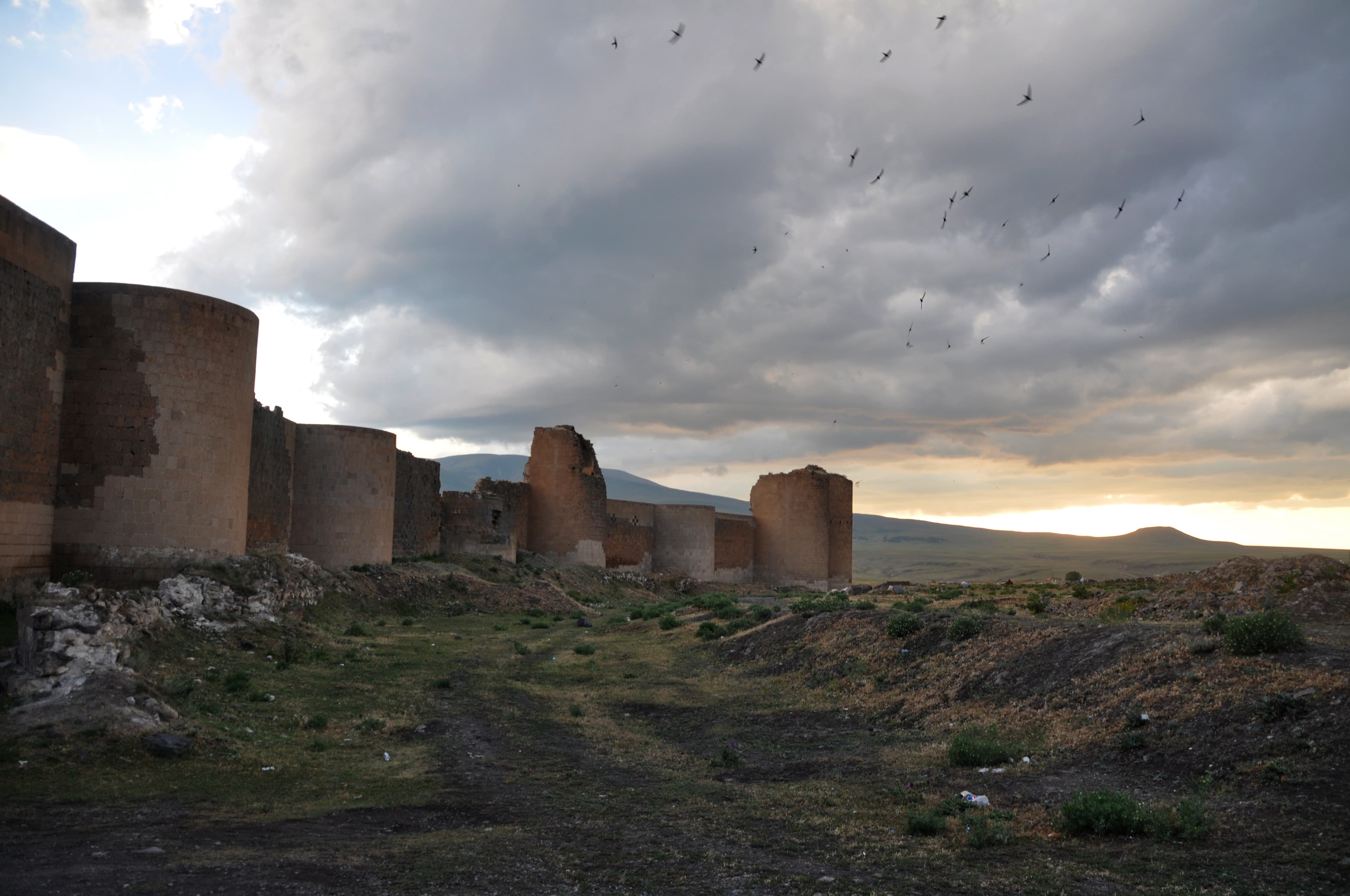
The only side of Ani a medieval army could attack from — which is why it got the thickest, most heavily towered walls in the city.
Enough context, no spoilers
Why it matters
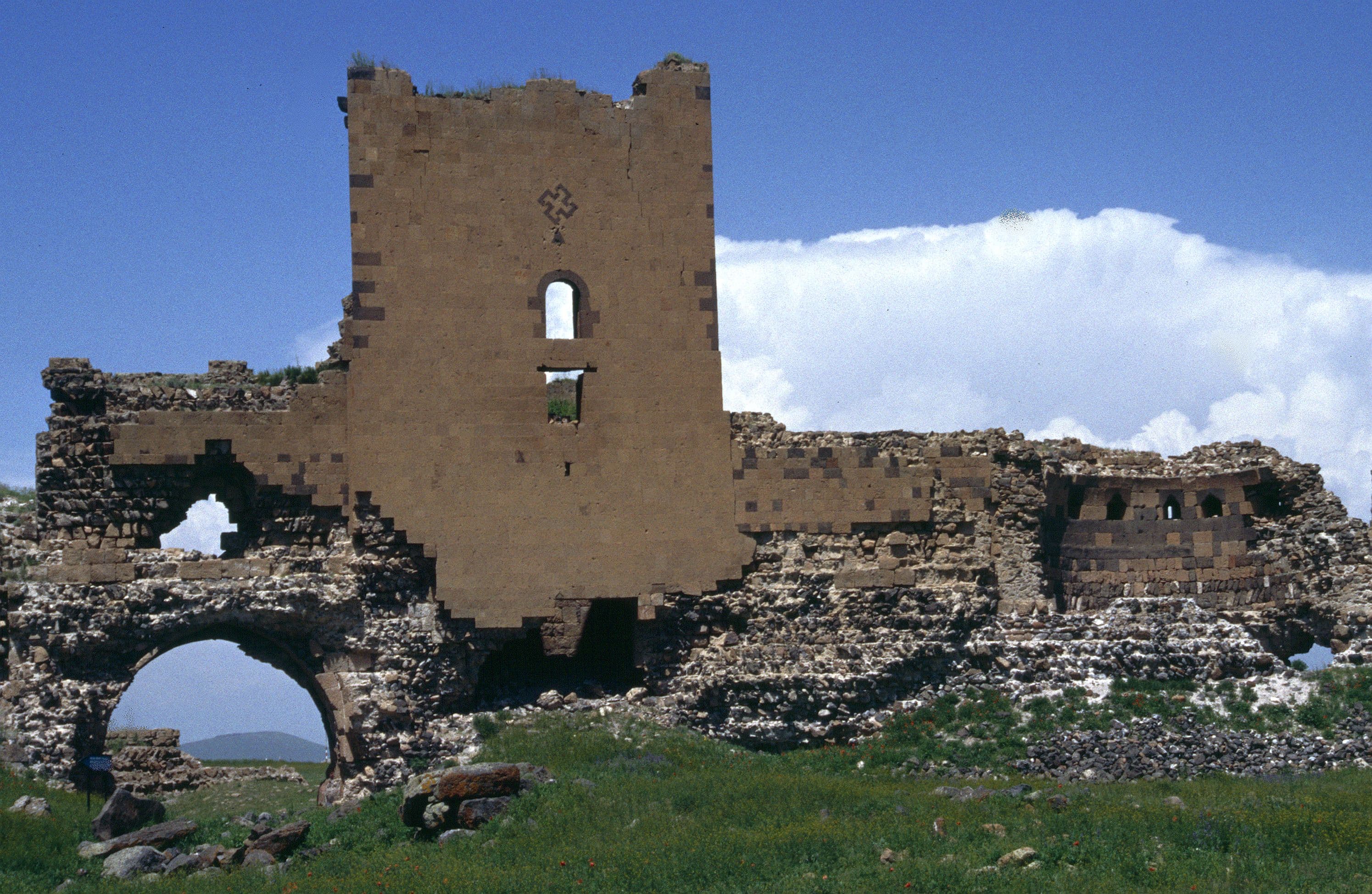
Built by King Smbat II between 977 and 989, doubling the fortifications specifically on the plateau's north side, the one flank not already protected by a river gorge or valley. Later rulers raised the height and packed in semicircular towers. Damaged by the earthquake of 1319; the standing fabric was consolidated and partly rebuilt by the Ministry of Culture in 1996–97.
What to know before you go
This is what you see first, and it sets expectations correctly: Ani's walls are the reason the city could be a capital at all, and they are genuinely spectacular as fortification even before you have seen a single church. King Smbat II raised them between 977 and 989, doubling the defenses specifically on the north side — the one side of the triangular plateau not already protected by a river gorge or a valley, and therefore the only side anyone could realistically attack from. Later kings kept adding to them: raising the height, thickening the base, packing semicircular towers in at close intervals along the inner wall. You enter through the Lion Gate, named for a stone lion carved into the inner face beside the entrance — look for it as you pass through, since it is easy to miss going the other direction. Ten gateways originally pierced the circuit; most people only ever see this one and, if they walk the full southern perimeter, the Kars Gate, the best-preserved of the group, decorated with crosses picked out in contrasting black stone. The 1319 earthquake that broke the cathedral's dome hit the walls hard too, and much of what stands today was reconsolidated and in places rebuilt by the Ministry of Culture in 1996 and 1997 — real medieval fabric at the base, stabilised above it, which is an honest way to keep a ten-century-old fortification standing rather than a criticism of it. Walk at least a short stretch of the northern wall rather than only passing through the gate: looking back from outside the circuit at the towers stepping away along the ridge is the single best way to understand how seriously this city took the one direction it was vulnerable from. Everything else at Ani was built by a city that felt safe. The walls are what made that feeling possible, and they are also, simply, the most immediately impressive thing here for the first five minutes of a visit, before the churches have had a chance to make their own case.