Damlataş Cave
Türkiye's first cave opened to tourism, discovered by accident in 1948 - still used today for a structured asthma-therapy program.
Enough context, no spoilers
Why it matters
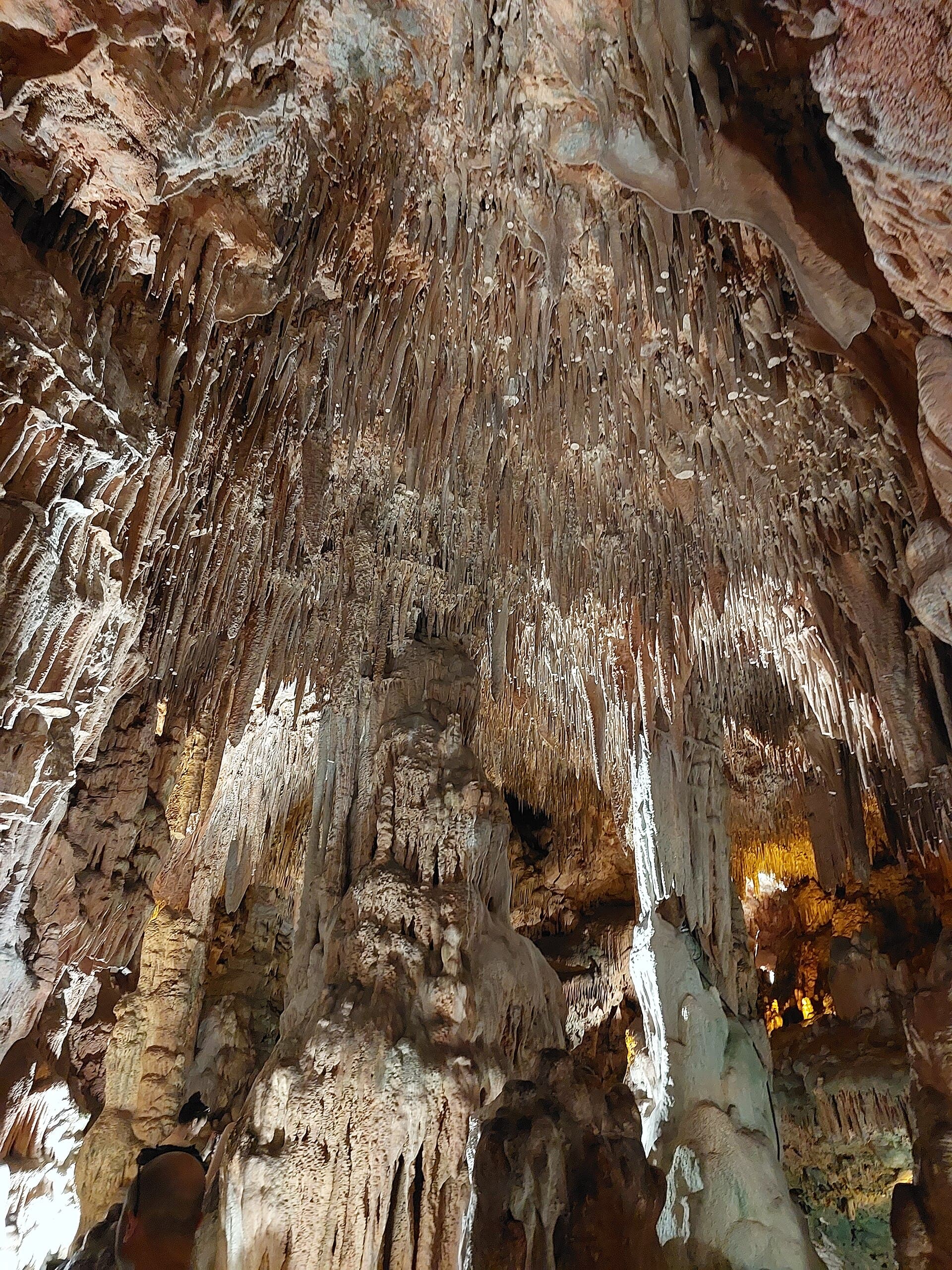
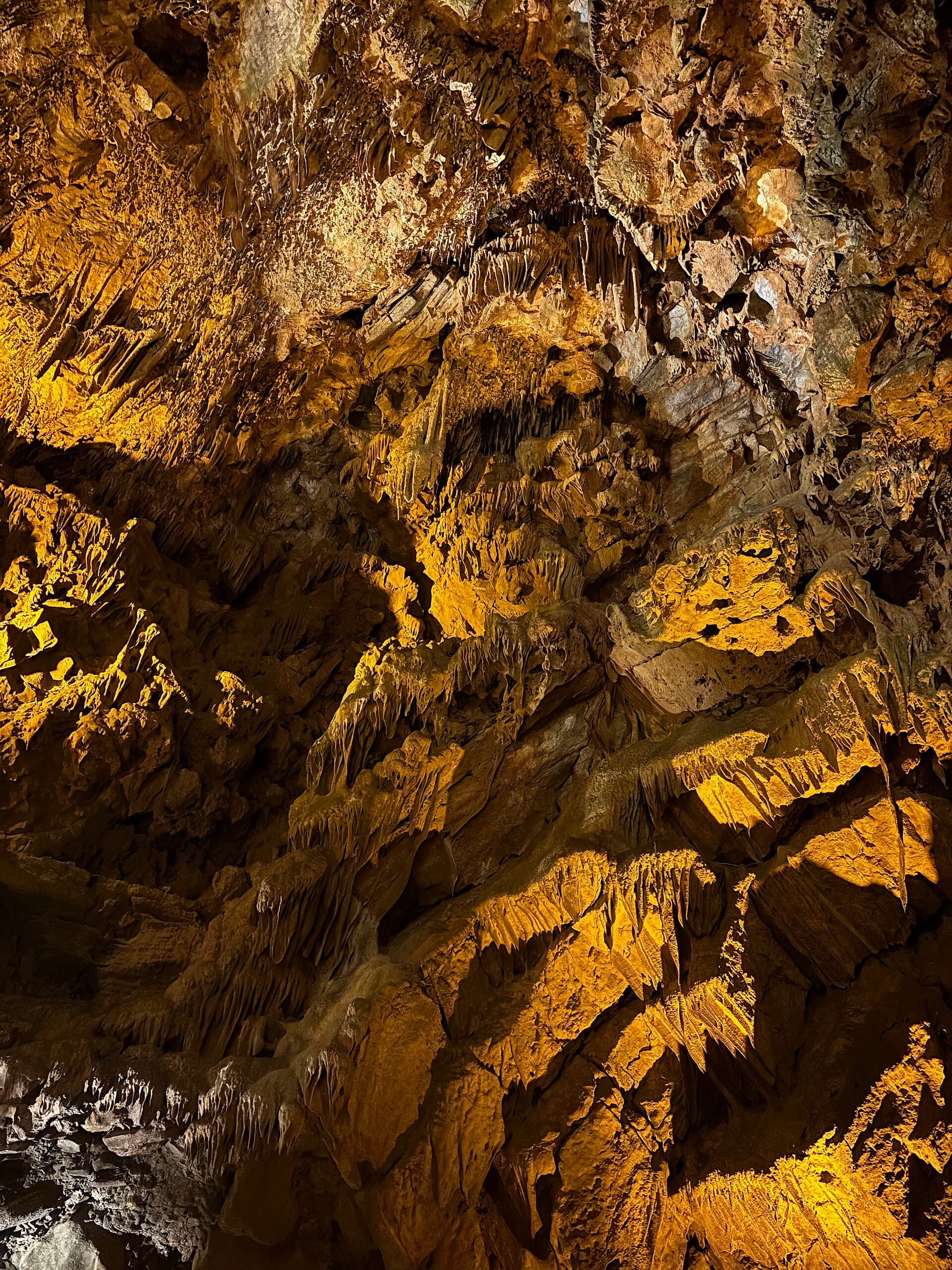
Discovered accidentally during harbour-construction quarrying in 1948, the cave's formations began roughly 15,000 years ago. Its interior holds unusually high humidity and elevated CO2 levels, underlying a structured respiratory-therapy program still run today alongside regular tourist visits.
What to know before you go
Damlataş Cave has a genuinely unusual origin story for a tourist site: nobody was looking for it. In 1948, quarry work connected to harbour construction accidentally broke through into an underground cave system that had been sealed and slowly forming, drip by mineral-laden drip, for roughly fifteen thousand years. The discovery made it Türkiye's first cave to be developed for tourism, opening to visitors not long after, and it's remained one of Alanya's fixed attractions ever since - a rare case of infrastructure work turning up something worth protecting rather than simply building over it. What sets Damlataş apart from being just another stalactite show cave, though, is a second, more specific use that developed over time: the cave's interior holds an unusually high, remarkably stable humidity, a constant temperature in the low-to-mid twenties Celsius, and carbon dioxide levels reported at roughly ten to fifteen times normal outside air - a combination that turned out to have genuine therapeutic value for certain respiratory conditions, asthma in particular. That's not folk medicine dressed up for tourists: a structured, municipally run therapy program uses the cave for scheduled sessions, historically drawing on the order of several thousand patients a year through a defined course of repeat visits, typically run across several hours a day over multiple weeks. Regular sightseeing hours and the therapy program's early-morning sessions run separately, so a normal visit won't overlap with patients working through treatment - worth knowing if you're curious about the program rather than surprised to find a different rhythm to the place at certain hours. Beyond the science, it's simply a good example of the type: real stalactite and stalagmite formations built up slowly enough that fifteen thousand years barely counts as old by the cave's own timescale, in a compact, easy stop a short walk from Cleopatra Beach - easy to fold into the same outing as the beach and, with a bit more walking, the castle above it.