Alanya Castle
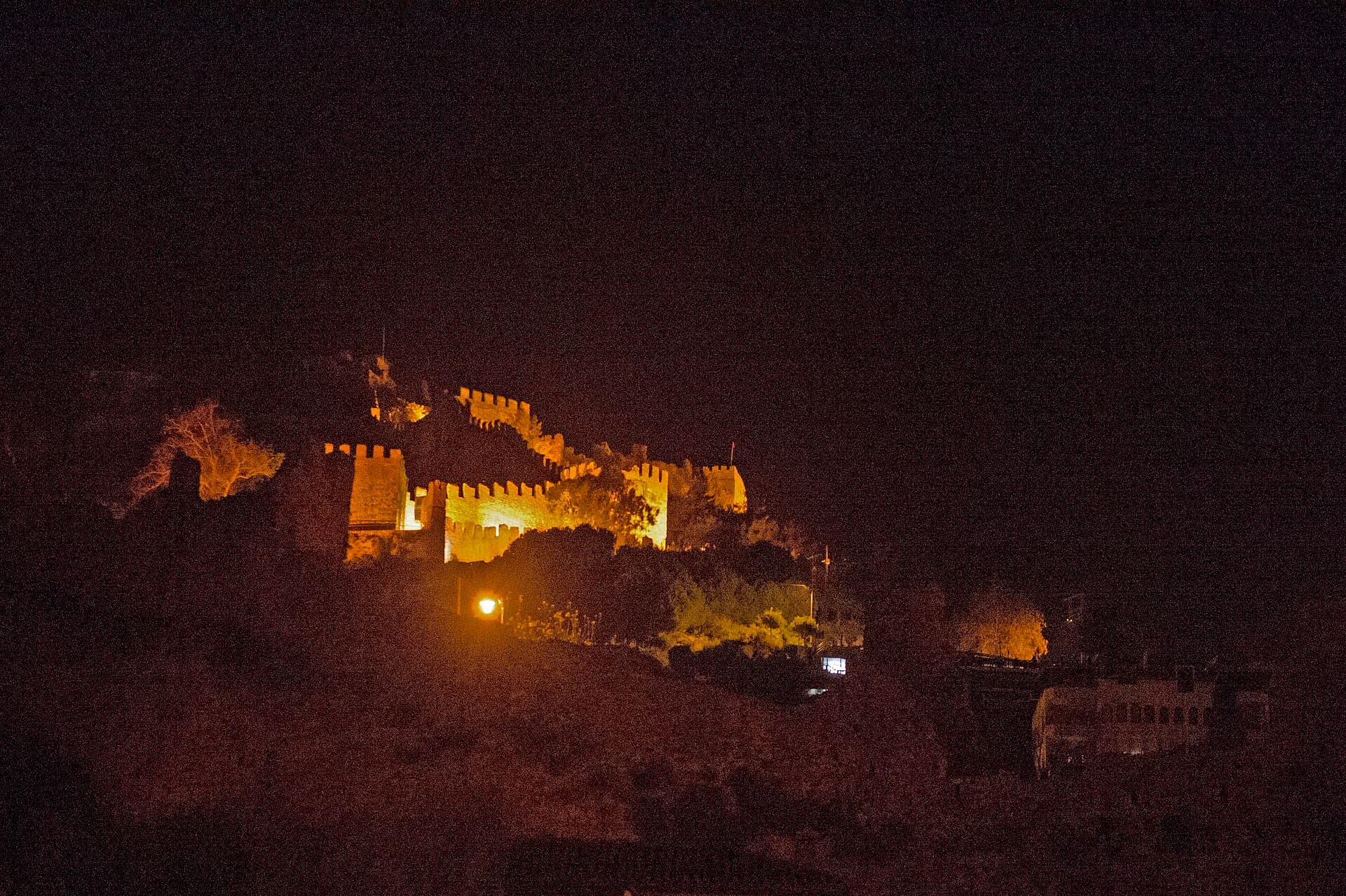
A full Seljuk hilltop fortress with 6.5km of walls, built in the 1220s to guard the Mediterranean's busiest medieval naval base.
Enough context, no spoilers
Why it matters
Sultan Alaeddin Keykubad I took the city (then Kalonoros) in 1221 and built the fortress atop existing Byzantine defences, renaming it Alaiye and making it the Seljuks' Mediterranean winter capital and naval base. Roughly 6.5km of walls survive, enclosing cisterns, a Byzantine church, a mosque, and a sultan's palace ruins.
What to know before you go
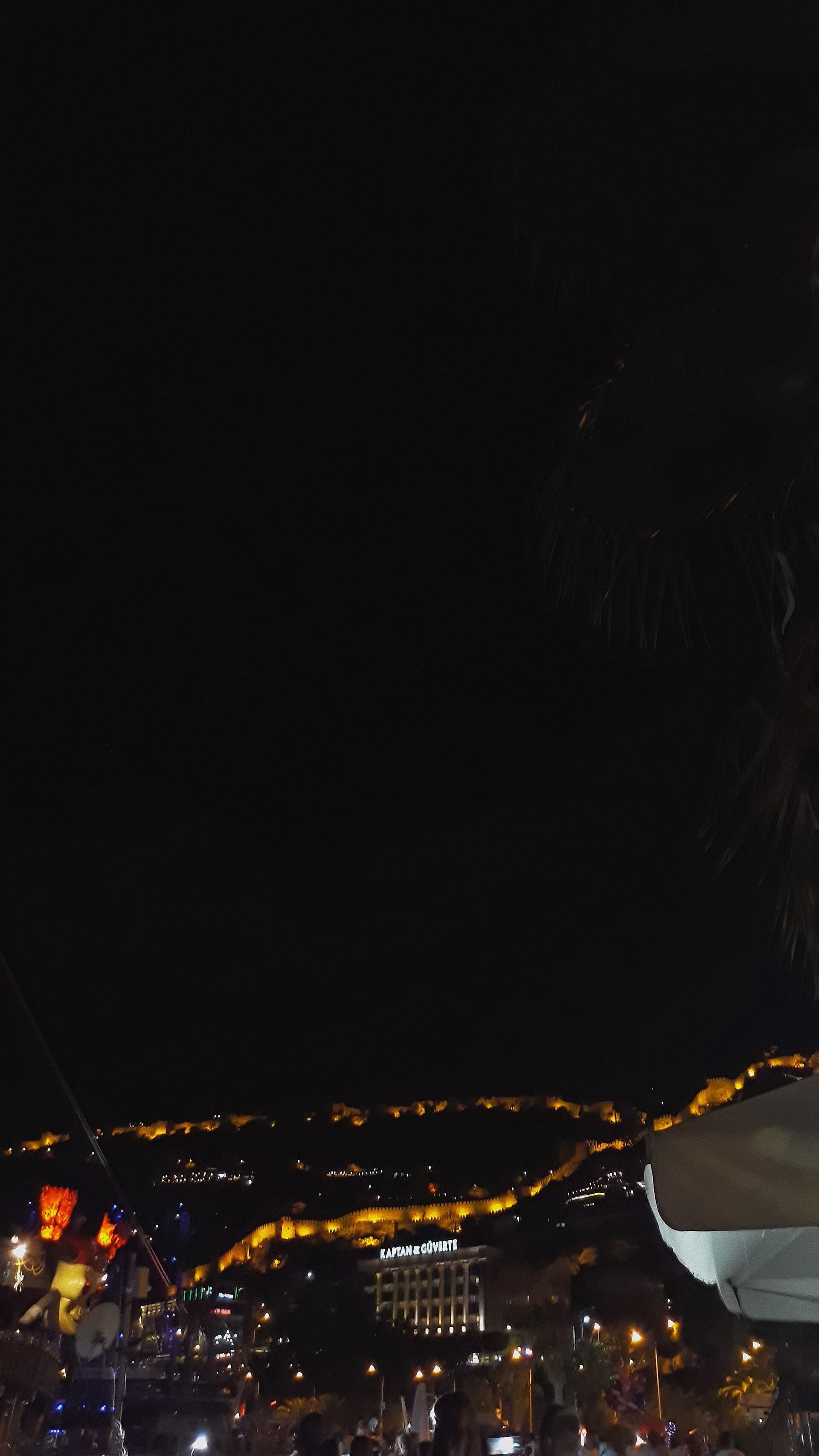
Alanya Castle is the reason the rest of the city's Seljuk-era sites exist at all: when Sultan Alaeddin Keykubad I took the town, then called Kalonoros, in 1221, he wasn't just adding territory - he was securing a naval base for a landlocked Anatolian empire that badly needed direct Mediterranean access, and the castle was the anchor of that project. Built atop existing Byzantine fortifications on a rocky peninsula jutting into the sea, roughly 250 metres above the water at its highest point, the fortress eventually enclosed roughly 6.5 kilometres of walls - an extraordinary amount of standing medieval military architecture for one site, and among the most complete Seljuk defensive works anywhere in Anatolia. Walking the full circuit isn't realistic in one visit, but the sections that are accessible give a genuine sense of scale: towers at intervals along the cliff-hugging wall line, sea visible on three sides for much of the walk, and a real sense of why this particular headland made military sense before it made tourist-photo sense. Inside the walls, the complex holds more than fortifications: cisterns cut into the rock to keep a besieged garrison supplied with water, the ruins of a Byzantine-era church (Aya Yorgi) predating the Seljuk conquest and left standing rather than demolished, a mosque, and the fragmentary remains of a sultan's palace near the summit - together making the site a layered record of who controlled this headland and how they used it, not a single-period ruin. Keykubad's building campaign here ran through the 1220s and, taken together with the Red Tower and the shipyard below, represents a coordinated, deliberate act of imperial infrastructure - a sultan building a navy's home from nothing in under a decade. Go in the late afternoon if you can: the walk is exposed with little shade, and the light on the walls and the sea beyond them is at its best as the sun drops toward the water.