Kızıl Kule (Red Tower)
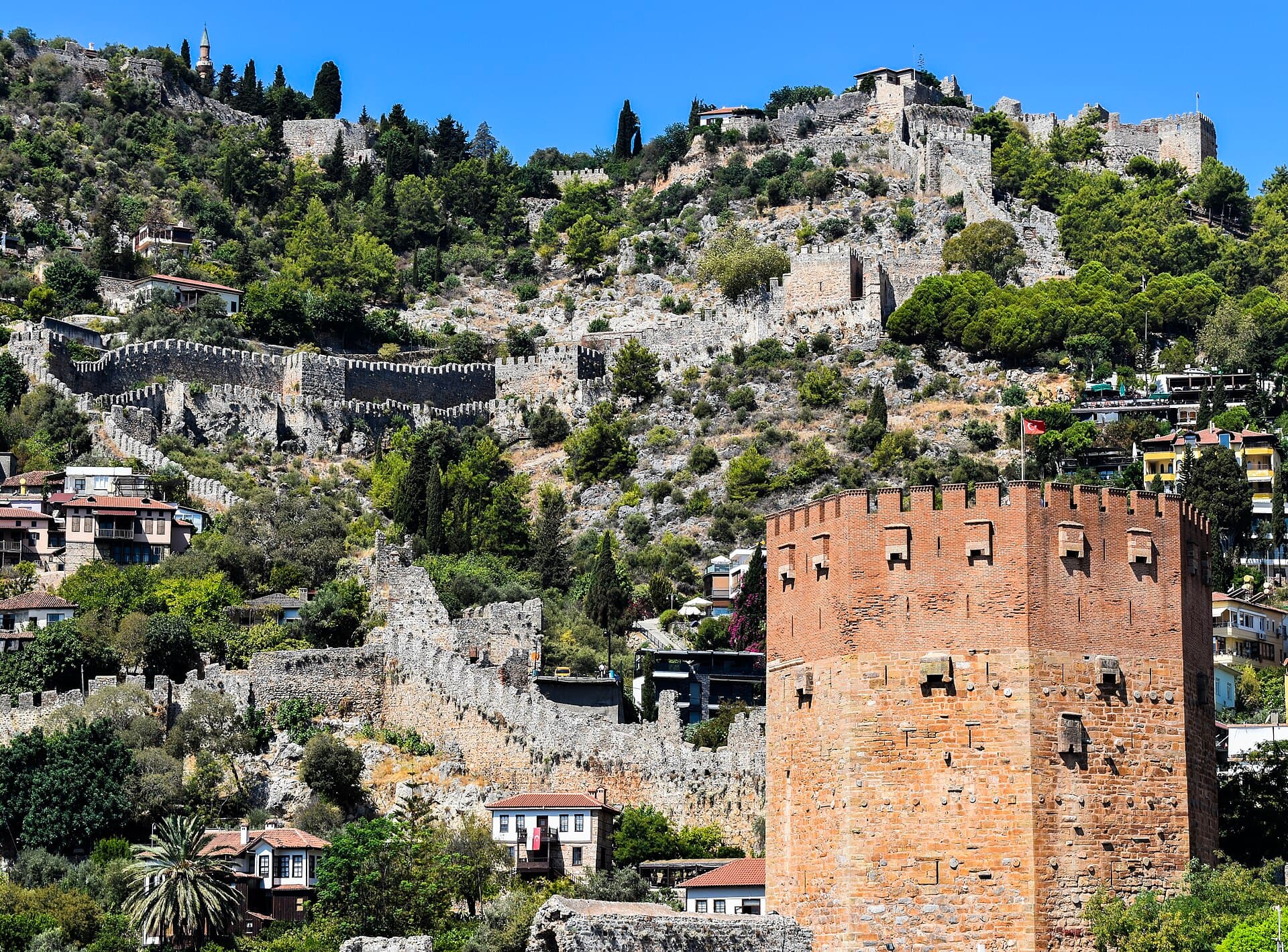
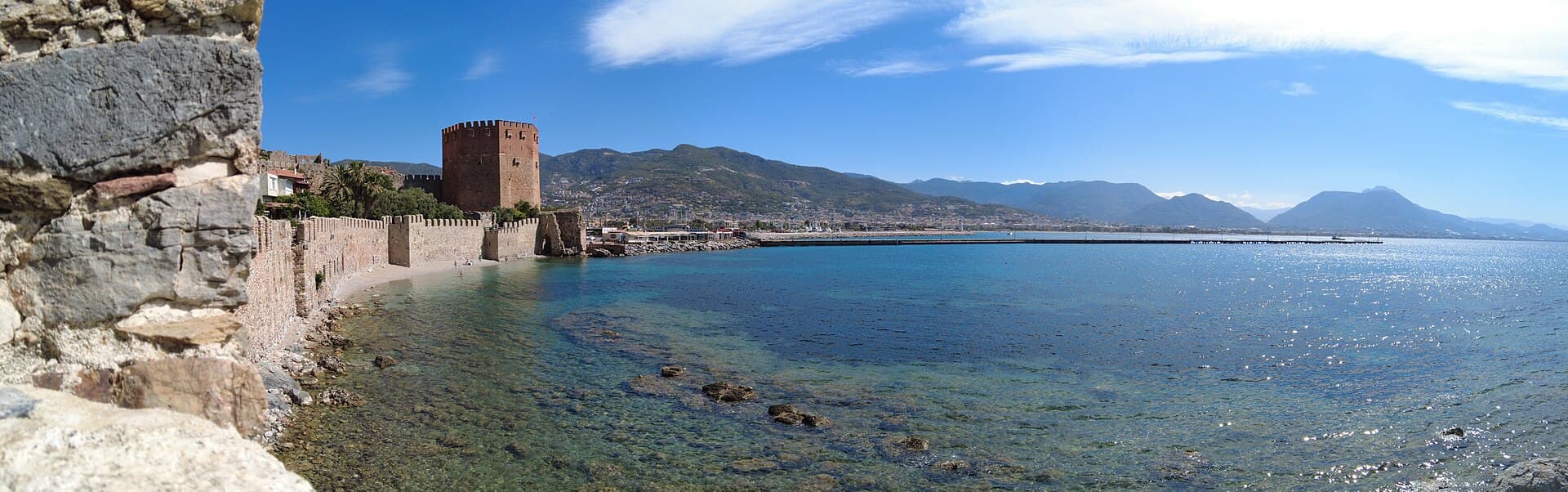
An octagonal red-brick tower guarding the harbour since 1226 - Alanya's most recognisable symbol, now a small museum.
Enough context, no spoilers
Why it matters
Completed in 1226 under architect Ebu Ali Reha el-Kettani on Sultan Alaeddin Keykubad I's order, the five-storey, 33m octagonal tower was built to defend the harbour and the adjacent shipyard from seaborne attack. Restored 1951-53, it opened as an ethnographic museum in 1979.
What to know before you go
The Red Tower is the single building most people picture when they picture Alanya, and unlike a lot of city symbols, this one earns the status through function as much as looks. Completed in 1226, part of the same decade-long building campaign that produced the castle above it, the tower was purpose-built to solve a specific defensive gap: the harbour and the newly constructed Seljuk shipyard beside it needed protection from attack by sea, and the castle's hilltop position, however commanding, couldn't cover the waterline itself. So Sultan Alaeddin Keykubad I commissioned a dedicated harbour tower, and brought in an architect, Ebu Ali Reha el-Kettani, who had already built defensive works at Sinop on the Black Sea coast - a sign the Seljuks were treating this as serious, specialist military engineering, not a local vanity project. What resulted is a genuinely distinctive structure: five storeys, roughly 33 metres tall, built on an octagonal rather than round or square plan, using a red brick that gives the tower both its name and its unmistakable silhouette against the water. The octagonal geometry isn't just decorative - each floor's interior layout shifts around the central stone staircase, so climbing through the tower means experiencing eight-sided rooms that never quite repeat the floor below, an architectural puzzle built into a working fortification. A cistern inside the base ensured a garrison could hold out under siege without relying on outside water. The tower fell into disrepair over the centuries before a restoration in 1951-53 brought it back, and since 1979 it has operated as an ethnographic museum, its interior now holding displays rather than soldiers. Climb to the top for the single clearest view in Alanya of exactly what this tower was defending: the harbour and the vaulted docks of the Tersane shipyard laid out directly below.