Ortahisar Fatih Camii
The Grand Komnenos emperors' coronation church — older and more historically central than Hagia Sophia, and far less visited.
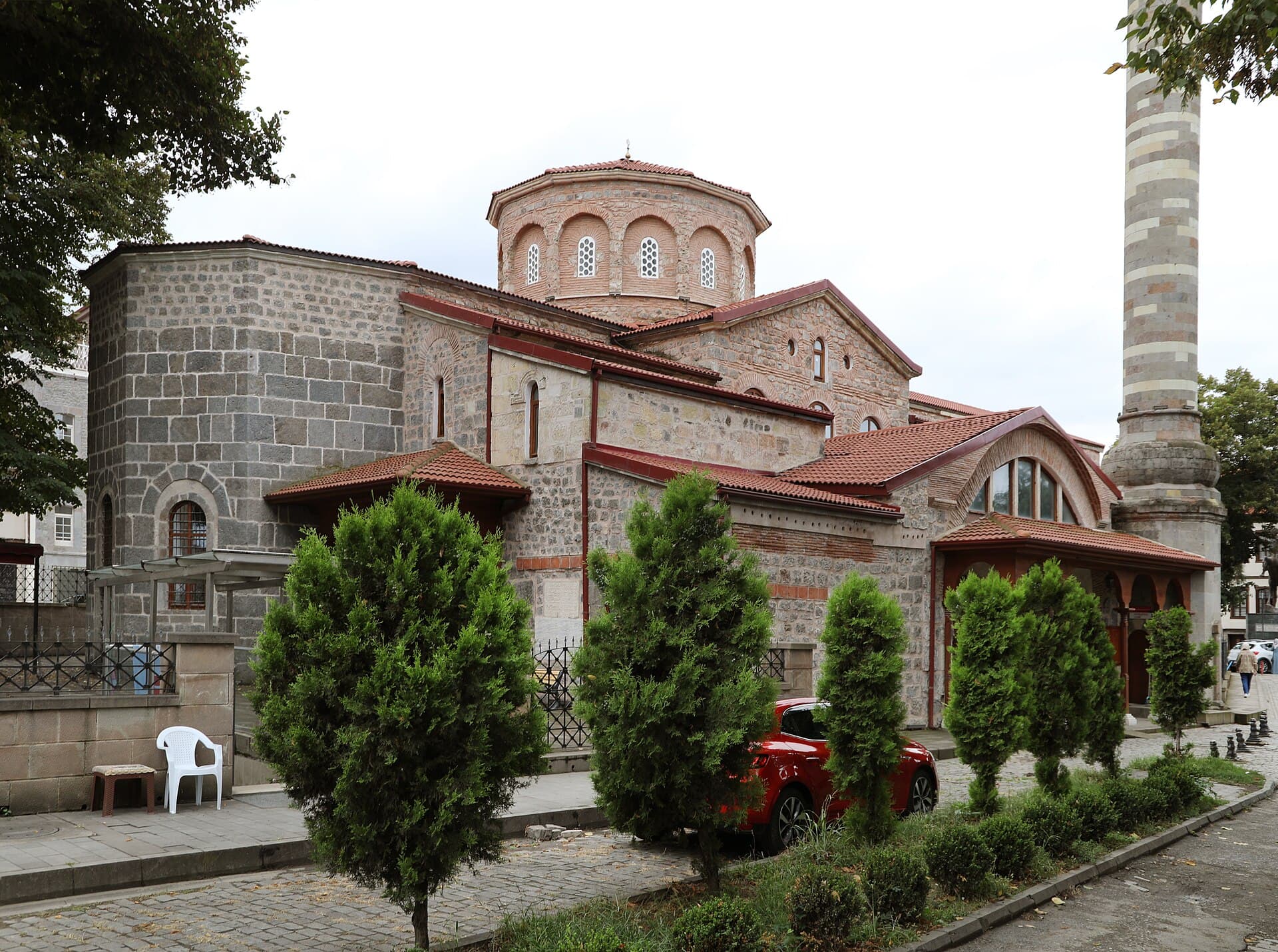
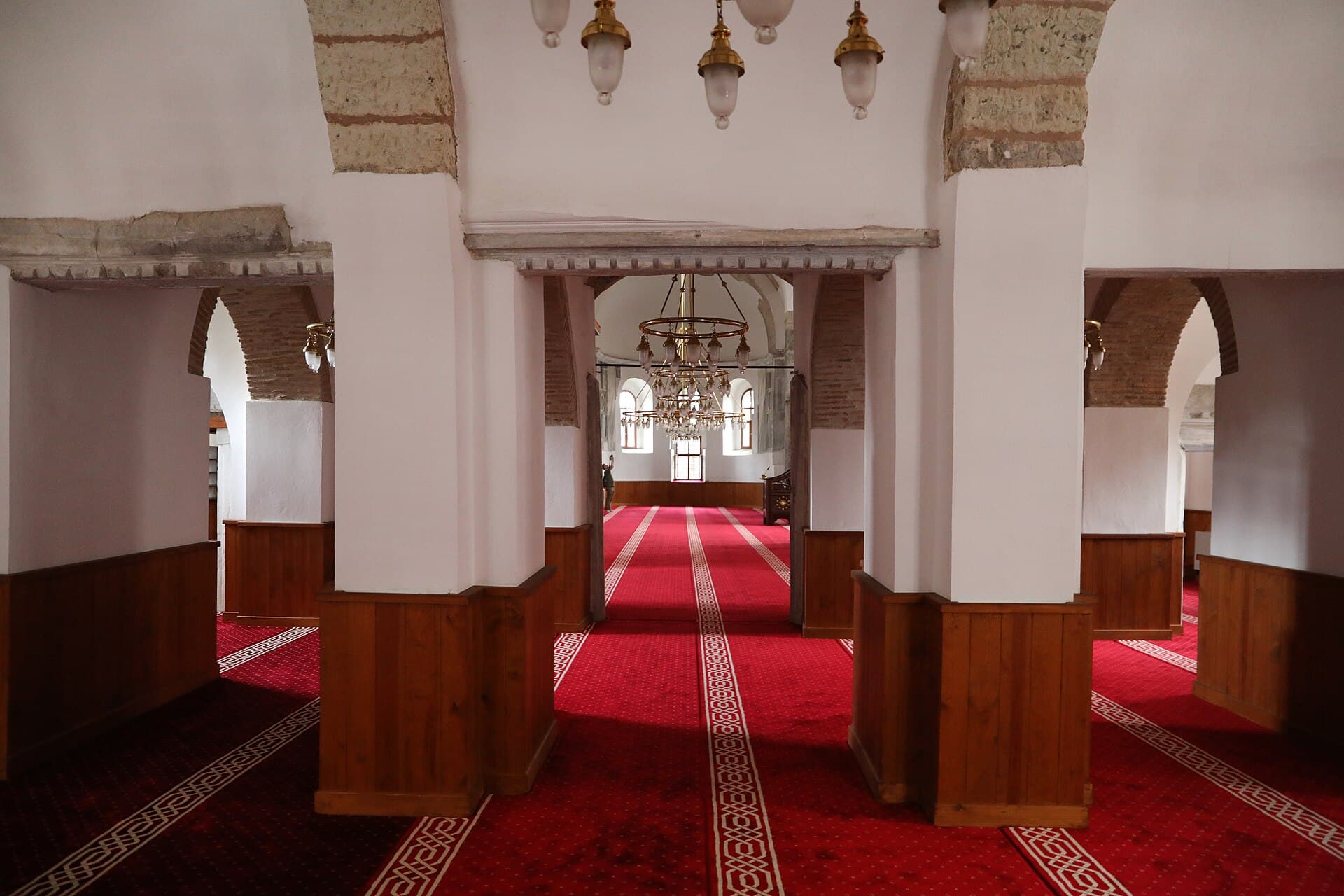
Enough context, no spoilers
Why it matters
First raised as a Marian church around AD 335–337 by Hannibalianus, nephew of Constantine; rebuilt across the Byzantine centuries as Panagia Chrysokephalos, Trebizond's cathedral and leading coronation/burial church of the Grand Komnenos emperors (John III crowned here, 1342). Basilica by the 10th century, cross plan by the 12th. Mosque after 1461, renamed for Mehmed the Conqueror.
What to know before you go
Ask which building in Trabzon actually mattered most to the Byzantine world, and the honest answer isn't Hagia Sophia — it's this one, and almost no visitor knows it. Panagia Chrysokephalos, the Church of the Golden-Headed Virgin, was the cathedral of Trebizond: the seat of its metropolitan bishop and, through the two and a half centuries of the Empire of Trebizond, the leading church where its Grand Komnenos emperors were crowned — John III's coronation here in 1342 is a specifically attested example, and it also served as their burial place. (A handful of coronations happened instead at the separate Church of St Eugenios, so "leading" rather than "only" is the accurate claim.) Hagia Sophia, for all its fame today, was a monastery church on a headland outside the walls. This was the one inside them, at the political centre of the city, doing the crowning.
Its foundation goes back further than the empire that used it: a Marian church first stood here around AD 335–337, raised by Hannibalianus, a nephew of Constantine, making this one of the oldest continuously significant church sites on this coast. What you see today reflects centuries of rebuilding — a basilica by the tenth century, reworked into a cross-shaped plan in the twelfth, in a style that pulls in Gothic details alongside its Byzantine core, evidence of a city that traded and borrowed from both Constantinople and the Genoese and Venetian merchants working this coast.
The 1461 conquest converted it, like every major church in the city, and gave it the name it carries now: Fatih, after Mehmed the Conqueror. What restoration work has since uncovered is worth seeking out — marble wall panelling and fragments of a mosaic and cut-stone floor in the apse, work good enough to invite comparison with the capital itself, hidden under centuries of paint and plaster until conservators found it.
It's a working mosque, not a museum, so time your visit around the five daily prayers, dress modestly, and don't expect a ticket booth or a queue — that's exactly the point.