TurQuosian

Mediterranean

Tarsus

Birthplace of the Apostle Paul

Tarsus is a working Mersin-province city built directly on top of its own history: a well and a church tied to Paul the Apostle, a Roman-era gate, and covered bazaar streets that have never stopped trading. It has no airport of its own and no tourist infrastructure to speak of — what it has is real, undressed Christian and Roman heritage, seen almost entirely without other visitors.

Stay
1 day
Best months
Mar–May, Oct–Nov
Access
Fly into Adana Çukurova (ADA), then transfer

Every published place in one city guide

What to see in Tarsus.

Start with the essentials, add what genuinely interests you, and leave the rest for another visit. Every place includes a concise story, practical timing, a Maps link, and a one-tap route planner action.

Make the route work

Anticipate the practical details.

Getting there

Tarsus has no airport of its own. The realistic route is a domestic flight into Adana Çukurova Airport (ADA), about 40 km away, followed by a 30–45 minute shuttle, taxi, or transfer into Tarsus; the alternative is a long-distance intercity coach direct to Tarsus otogar from major Turkish cities, which from Istanbul runs well over 12 hours. Confirm current flight and coach schedules before booking either way.
Getting around

Central Tarsus — the covered bazaar streets, St. Paul's Well, and the old quarter around them — is compact and walkable on foot. A short taxi ride covers anything further out, such as Cleopatra's Gate or the museum district; there is no metro or tram system.

Money

Carry a payment card and some Turkish lira for the bazaar stalls and smaller shops, which lean cash-first more than in bigger tourist cities. Site entry prices are modest and can change, so confirm the current fee locally rather than relying on older listings.

Connectivity

Mobile coverage is reliable throughout the compact city centre. It is not a rural or remote destination, so offline maps are a convenience here rather than a necessity.

Etiquette

Tarsus is a working provincial city, not a resort town — dress and behave as you would in any conservative Turkish town centre, and dress modestly at St. Paul's Well and Church given their active pilgrimage status. Photography inside the well enclosure and church grounds is normally fine, but ask before photographing people at prayer.

Safety and comfort

Tarsus is a low-key provincial city with normal urban precautions and no particular tourist-targeted crime. Summers run hot on the Mediterranean coastal plain, so plan outdoor walking for morning or late afternoon.

Essential

Don’t leave without

If you only have one day, this is the day.

Rank1
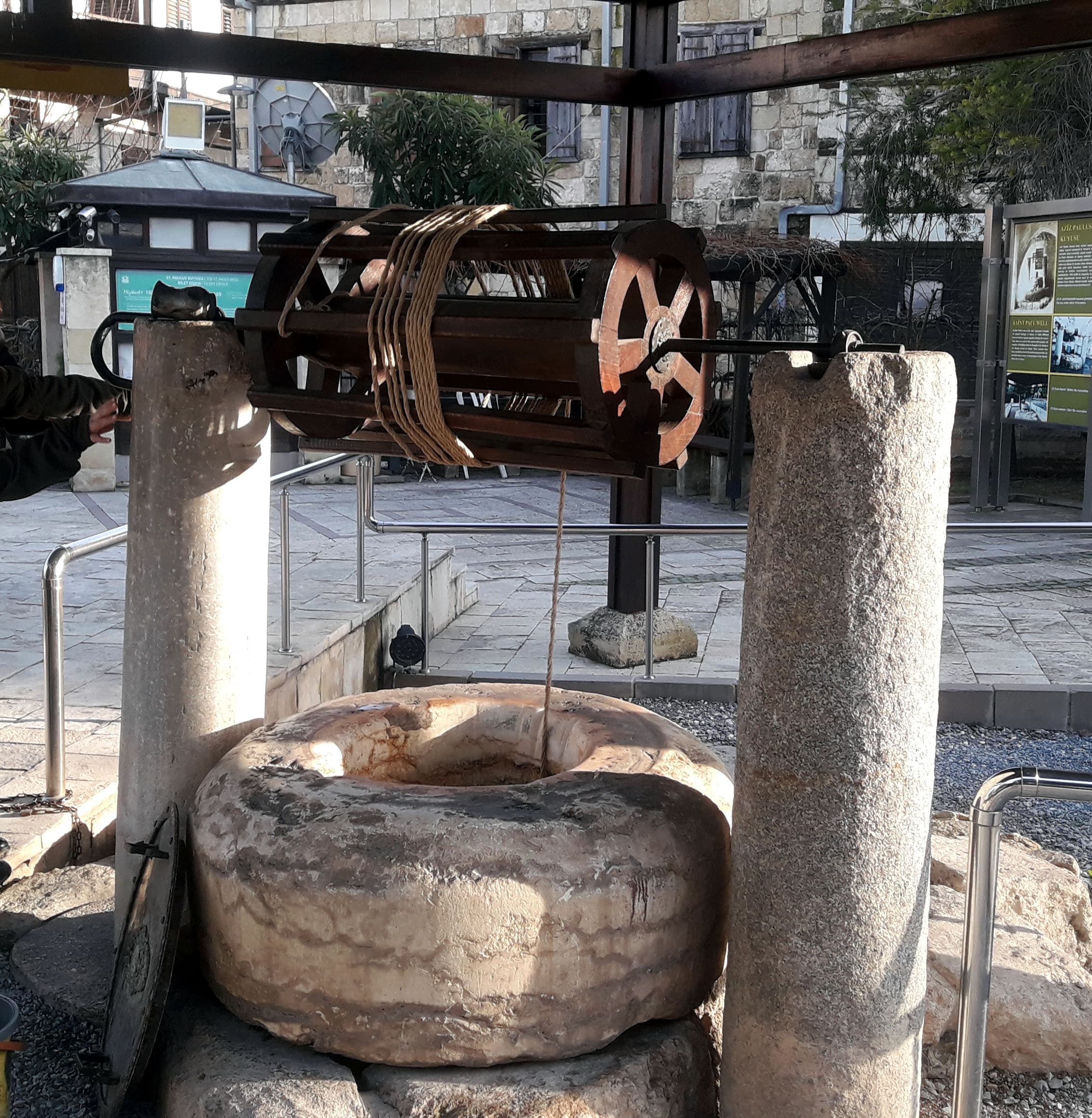
The stone-cut shaft of St. Paul's Well inside its pilgrimage courtyard in Tarsus.

St. Paul's Well

Religious site

A working 38-metre well traditionally identified as standing on the house of Paul the Apostle.

Rescue excavations in 1999 uncovered the ruins of a house alongside a still-functioning stone well in old Tarsus, in the Kızılmurat neighbourhood. Local and pilgrimage tradition identifies the site as the birthplace of Saul of Tarsus, later Paul the Apostle. The well is 1.15 m in diameter and 38 m deep, built of rectangular-cut stone. It sits on Türkiye's UNESCO tentative list together with St. Paul's Church.

Modest paid entry, payable on site.

30 minSmall site — a short visit, easily paired with St. Paul's Church nearby
Look for: The stone-cut well shaft itself, the small excavated house foundations around it, and the simple pilgrimage courtyard built to receive visitors.
Rank2
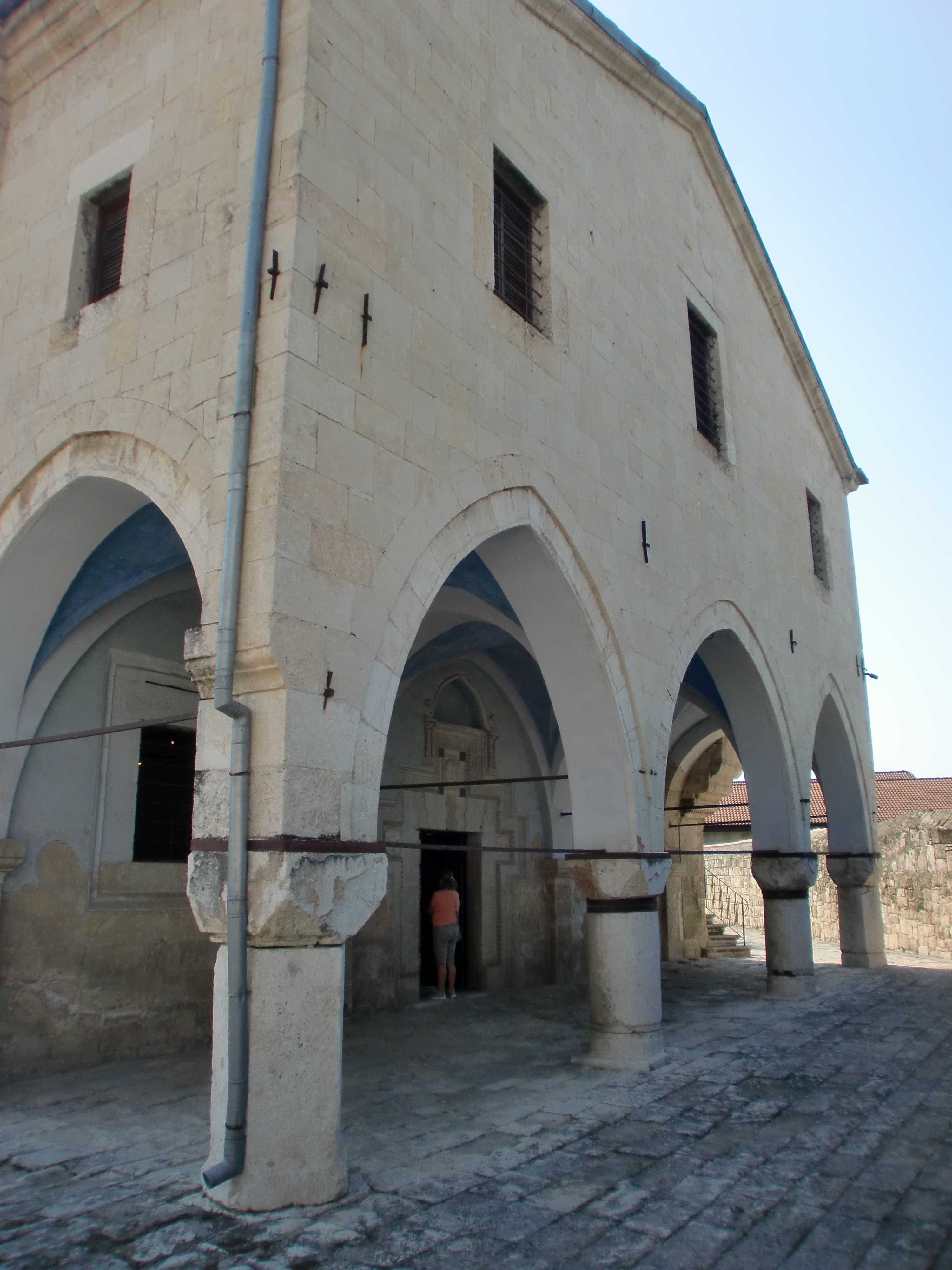
The exterior of St. Paul's Church in Tarsus, the 19th-century church-turned-museum tied to Paul the Apostle.

A 19th-century church raised over an older sanctuary honouring Tarsus's most famous native son, now a museum.

The current building dates mainly to the 19th century, standing on the site of earlier churches associated with Paul the Apostle, born in Tarsus. Long used by the city's Armenian and Orthodox communities until 20th-century population shifts emptied the congregation, it now operates as a state-run museum. It is included, with St. Paul's Well, on Türkiye's UNESCO tentative list.

Modest paid entry, payable on site.

30 minFunctions as a museum, not an active parish — do not expect regular services
Look for: The plain stone nave and bell-less bell tower, surviving fragments of older masonry incorporated into the 19th-century rebuild, and the small courtyard garden around the church.

Worth your time

Worth your time

A second day earns you these.

Rank1

Cleopatra's Gate

Historic site

A lone Roman-era city gate traditionally linked to Cleopatra and Mark Antony's meeting at Tarsus.

A single surviving basalt gate from the Roman city walls, popularly associated with Cleopatra's arrival to meet Mark Antony at Tarsus in 41 BCE, though the structure's precise date and the legend's accuracy are both debated among historians.

Free, viewed from the street.

15 min
Look for: The isolated basalt archway and its setting in a small public square in the modern town.
Open in Maps

Getting there and away

Verified routes from Tarsus.

Door-to-door times and fare ranges, checked leg by leg. Only routes where every leg verified are listed.

Getting around

Türkiye, for scale

Where it sits

See this city in the wider shape of Türkiye.

The map will load as it approaches the viewport.