St. Paul's Well
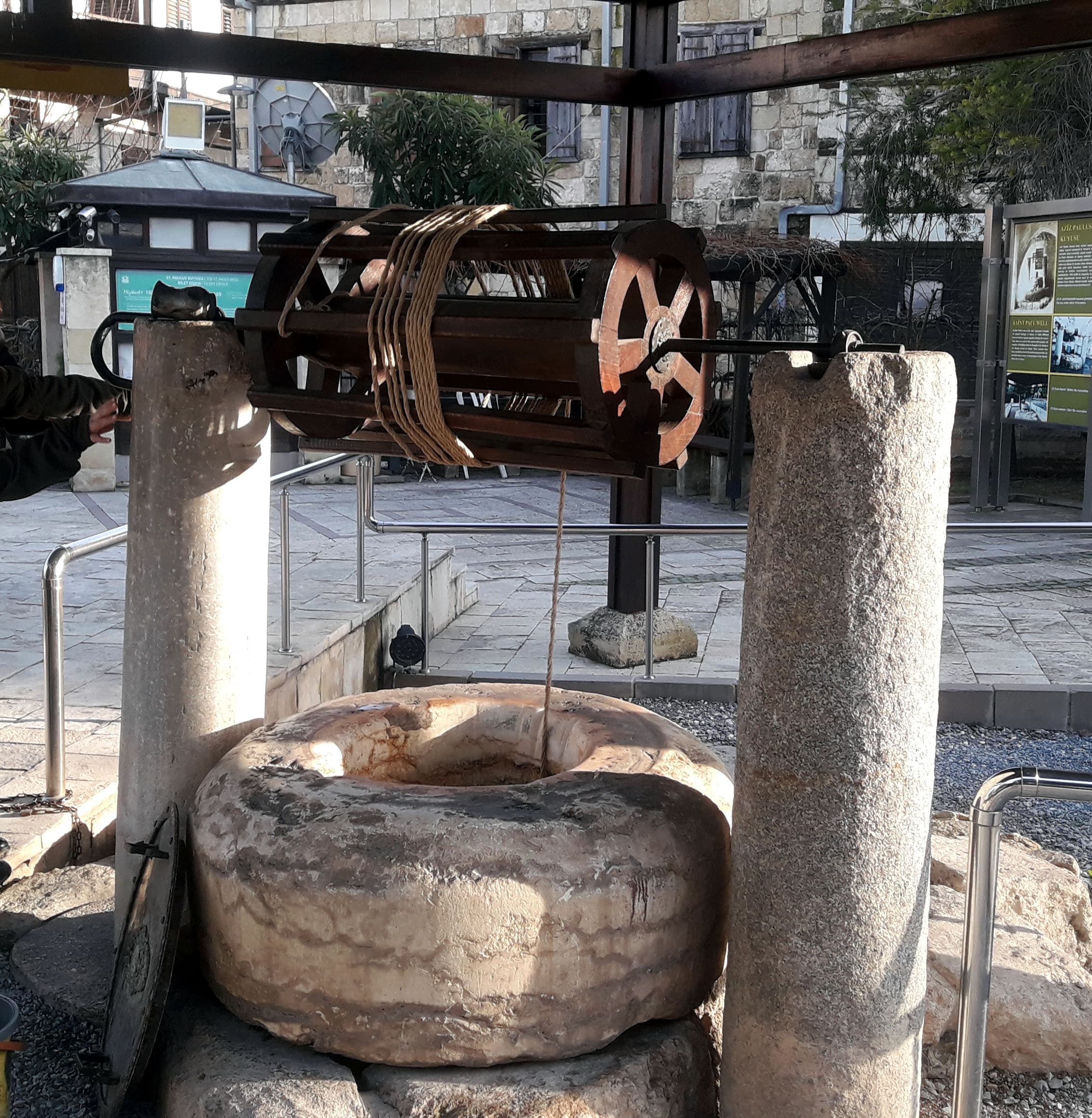
A working 38-metre well traditionally identified as standing on the house of Paul the Apostle.
Enough context, no spoilers
Why it matters
Rescue excavations in 1999 uncovered the ruins of a house alongside a still-functioning stone well in old Tarsus, in the Kızılmurat neighbourhood. Local and pilgrimage tradition identifies the site as the birthplace of Saul of Tarsus, later Paul the Apostle. The well is 1.15 m in diameter and 38 m deep, built of rectangular-cut stone. It sits on Türkiye's UNESCO tentative list together with St. Paul's Church.
What to know before you go
St. Paul's Well is not a monument built to impress — it is a plain, still-serviceable stone well, 1.15 metres across and a genuine 38 metres deep, standing inside the excavated foundations of a Roman-era house in Tarsus's old Kızılmurat quarter. Archaeologists uncovered it in a 1999 rescue dig, and local Christian tradition holds that this is where Paul the Apostle — born Saul, a Roman citizen of Tarsus — grew up.
There is no way to prove the identification with certainty this far removed in time, and the site does not pretend otherwise; what makes it worth the stop is that the well is real, the water is still drawn from it today, and the modest courtyard around it functions as an active small pilgrimage site rather than a roped-off museum piece. Visitors are generally allowed to draw a cup of water themselves.
The well sits an easy walk from Tarsus's old bazaar streets and from St. Paul's Church, so the two are naturally combined into a single short visit.