St. Paul's Church, Tarsus
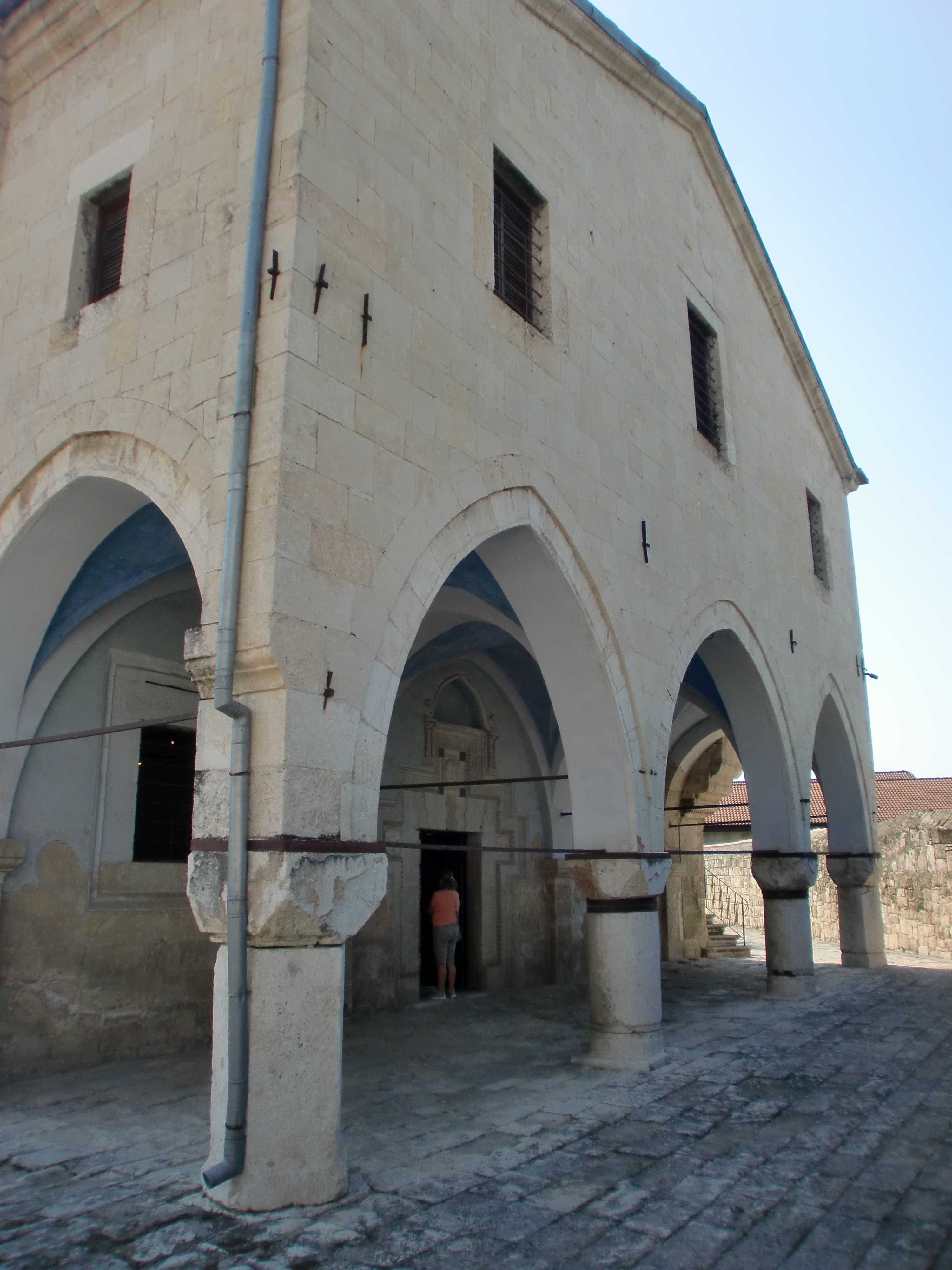
A 19th-century church raised over an older sanctuary honouring Tarsus's most famous native son, now a museum.
Enough context, no spoilers
Why it matters
The current building dates mainly to the 19th century, standing on the site of earlier churches associated with Paul the Apostle, born in Tarsus. Long used by the city's Armenian and Orthodox communities until 20th-century population shifts emptied the congregation, it now operates as a state-run museum. It is included, with St. Paul's Well, on Türkiye's UNESCO tentative list.
What to know before you go
St. Paul's Church stands a short walk from St. Paul's Well in Tarsus's old town, on a site associated with the city's dedication to its most famous native. The building visitors see today is largely a 19th-century reconstruction, raised over earlier churches on the same spot; it served Tarsus's Armenian and Greek Orthodox communities until the population shifts of the early 20th century emptied it of a resident congregation.
It now functions as a museum rather than an active church, with a plain stone interior, restored icons and furnishings, and a small courtyard garden that gives it a quieter, more contemplative feel than its UNESCO-tentative-list status might suggest. There is no large crowd here and no dramatic art cycle to see — the value is historical continuity and the direct link to Paul, rather than spectacle.
Pair it with St. Paul's Well and a walk through the surrounding old bazaar streets for a compact half-day covering the core of Christian-heritage Tarsus.