Safranbolu Old Town (Çarşı)
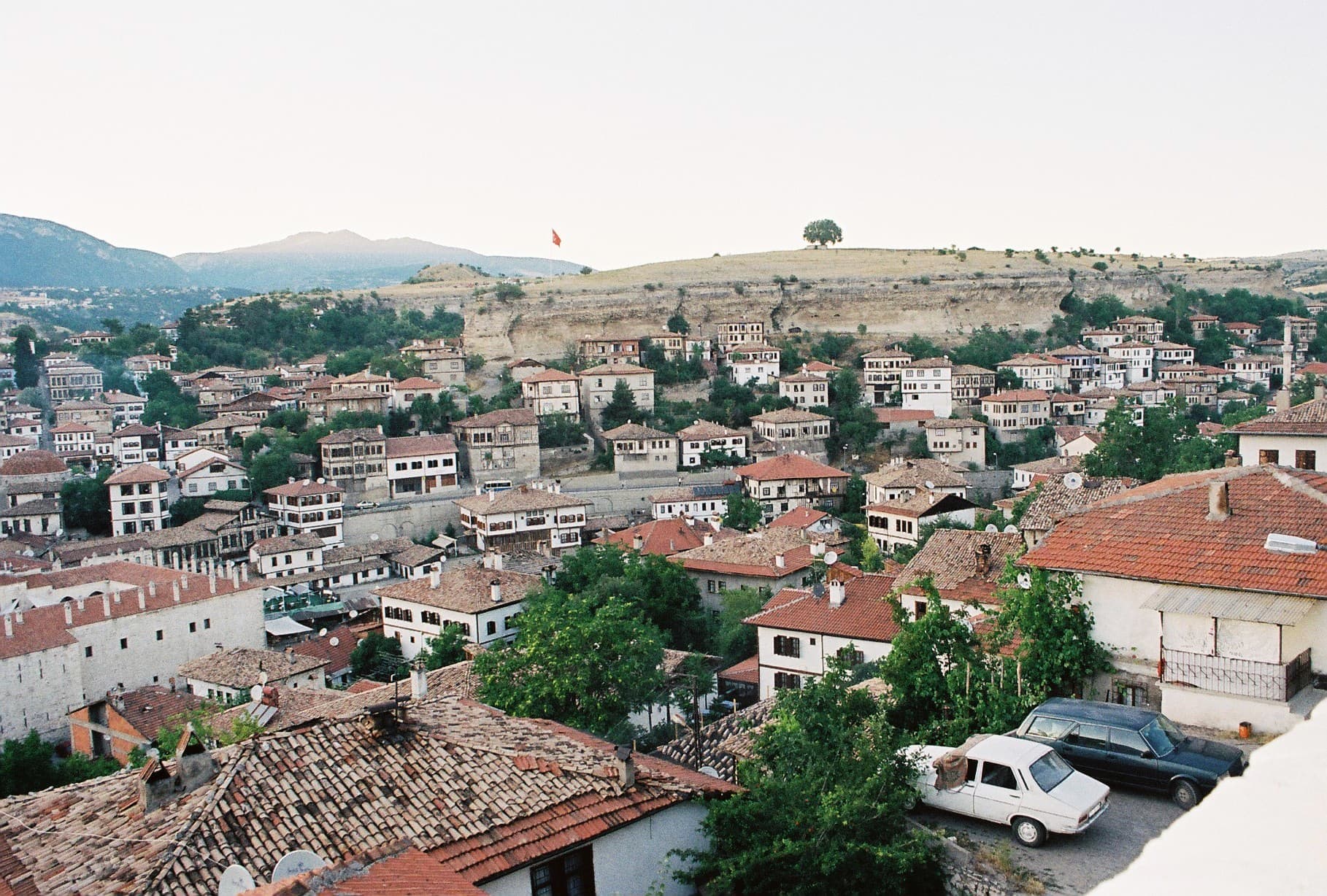
Türkiye's most complete Ottoman townscape — red-tiled roofs and timber houses filling two ravines around a bazaar that still works.
Enough context, no spoilers
Why it matters
Grew wealthy from the 13th century as a caravan station on the trade route linking Anatolia to the Black Sea coast, peaking in the 17th–18th centuries when merchants and officials competed to build the timber-and-stucco mansions that still line its lanes. UNESCO inscribed the town in 1994, citing its influence on Ottoman domestic architecture across a wide region and the unusual completeness of its survival.
What to know before you go
Safranbolu earns the postcard. From certain angles — across the valley, or down from the lanes above the bazaar — the town looks almost too consistent to be real: hundreds of red-tiled roofs and dark-timbered upper floors, jettied out over whitewashed lower storeys, packed into two ravines that meet below the old government hill. It has looked broadly like this since the 17th and 18th centuries, when Safranbolu grew rich as a caravan stop and its merchants and officials competed to build the finest konak. UNESCO's 1994 listing is specifically about that: not one building, but a whole surviving townscape, complete enough to have shaped Ottoman domestic architecture for a wide surrounding region.
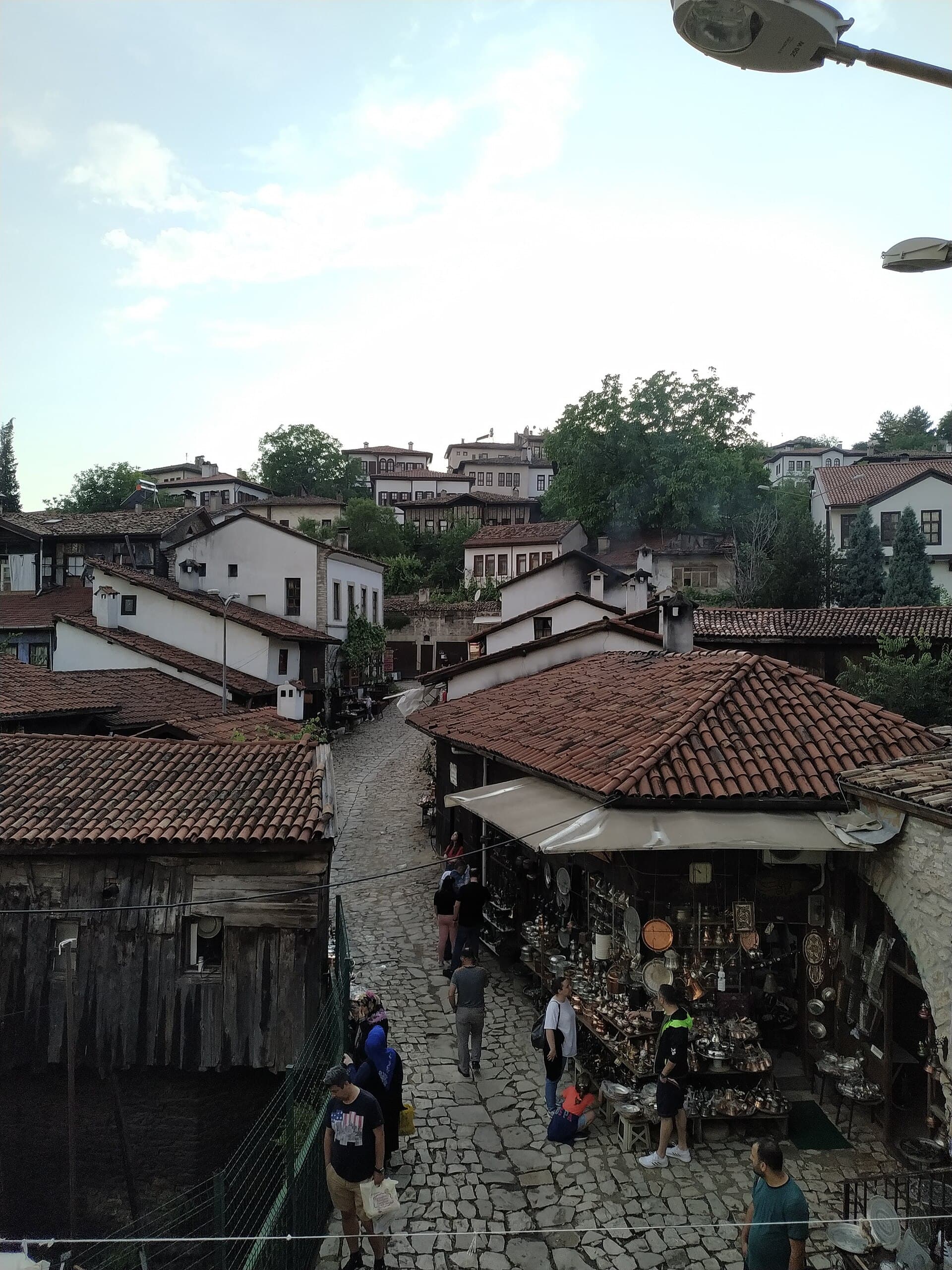
Here is the honest part. On a quiet weekday morning, Çarşı is close to magical — shopkeepers rolling up shutters, cats on doorsteps, almost nobody else on the cobbles, the timber facades doing exactly what they were built to do. On a summer Saturday afternoon it is a different place: coach parties from Istanbul and Ankara fill the main lanes shoulder to shoulder, every second ground floor sells the same saffron soap and Turkish delight, and the "authentic Ottoman town" framing gets genuinely harder to buy. Both of these are Safranbolu. Neither cancels the other out, and which one you get is almost entirely a matter of timing rather than luck.
Walk the bazaar early, before the day-trip buses arrive mid-morning, or — better, if you're staying the night, which the town rewards — walk it again after 5 or 6pm, when the buses have left and the light goes gold on the timber. Don't beeline for the named house-museums first; the streets between them are most of the experience, and the interest is almost entirely in the upper floors — the carved eaves and jettied cumba rooms built to gain space without expanding the footprint below. And treat the shops selling saffron-everything with mild skepticism: real local saffron does exist here (see the Saffron Farm entry), grown in small, specific, protected quantities — but a lot of what's stacked in the tourist-facing windows is priced and merchandised for a passing crowd rather than for provenance. Ask, or buy from a source you trust, rather than the nearest colorful display.