Cinci Han
A 1645 caravanserai built by a sultan's exorcist-turned-power-broker — now a hotel where you can still take tea in the same stone courtyard.
Enough context, no spoilers
Why it matters
Built in 1645 by Karabaşzade Hüseyin Efendi, known as Cinci Hoca ("the exorcist hodja"), a local mystic-healer who won Sultan İbrahim I's favour in 1642, rose to become a powerful judge, and spent his fortune on his hometown. It served caravan traders on the Anatolian trade routes until the early 20th century, then stood as a merchants' warehouse before restoration turned it into a hotel.
What to know before you go
Cinci Han is named for one of Safranbolu's stranger local legends, and the story is worth knowing before you walk in. Karabaşzade Hüseyin Efendi was a hoca — a religious scholar — who built a reputation as an exorcist and healer potent enough to reach Istanbul, where in 1642 he treated Sultan İbrahim I, remembered, not kindly, as "İbrahim the Mad." It worked well enough that the sultan made him a powerful judge, and Cinci Hoca — "the exorcist hodja" — used the money and status to build, among other things, this caravanserai and the hamam beside it, both finished in 1645, both still standing.
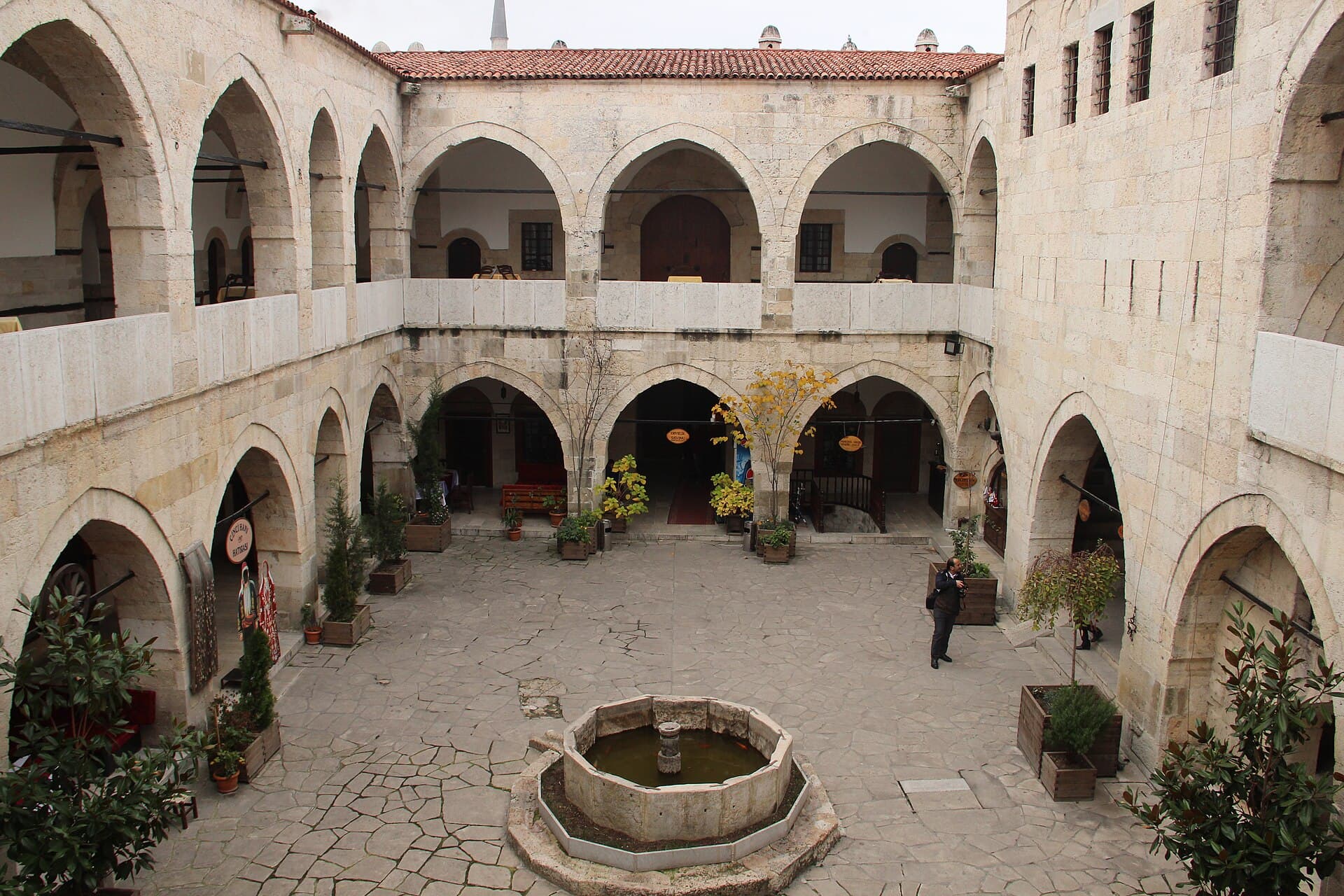
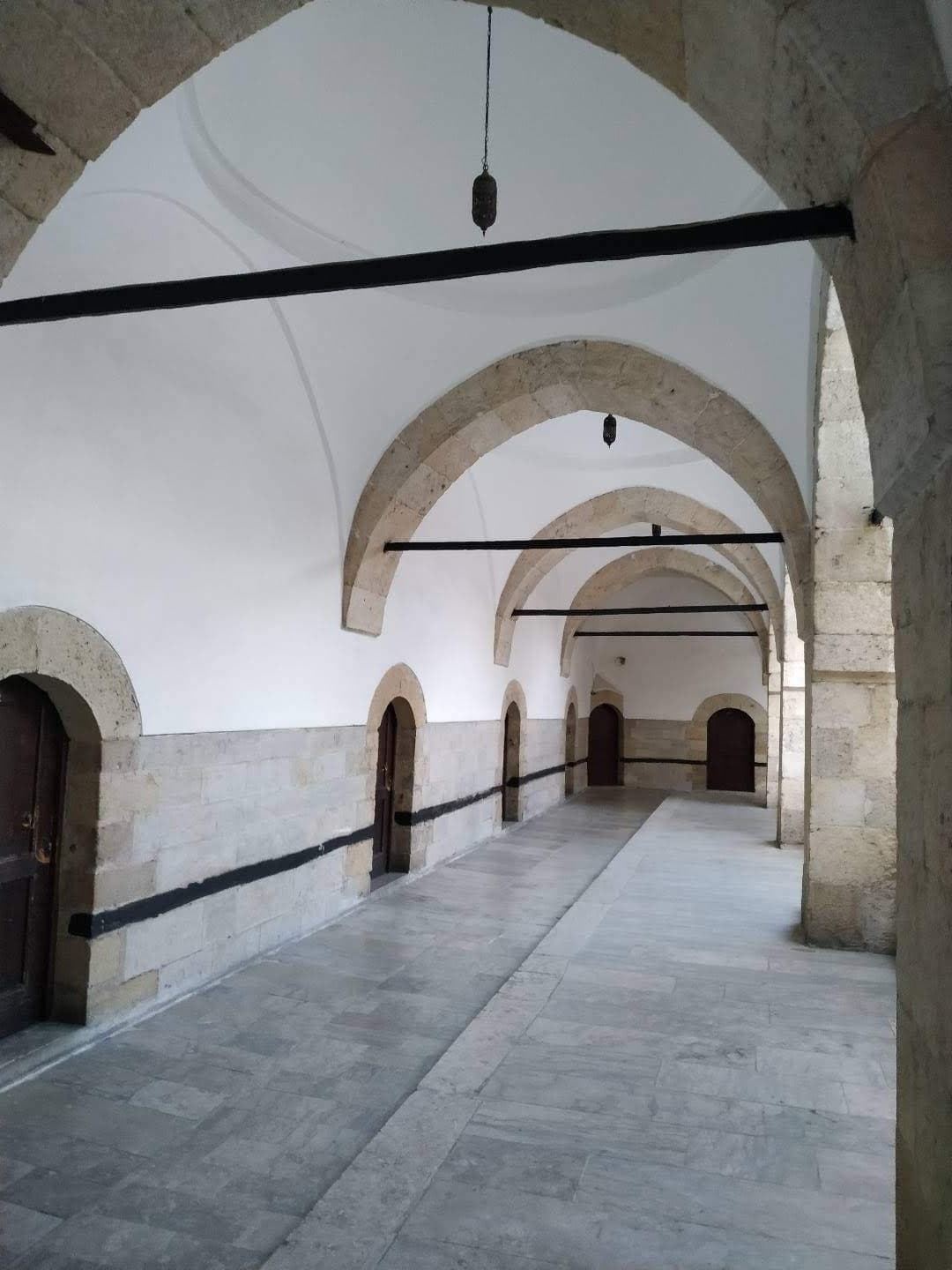
What you're walking into is a working inn from the last great century of the overland caravan trade: two storeys around a stone courtyard, a well at the centre, thick walls and few windows facing the street, built to be secured at night with goods, animals and travellers all inside. That function lasted into the early 20th century, when the railway and the decline of the old trade routes made caravanserais obsolete across Anatolia; this one spent decades afterward as a plain merchants' warehouse before a proper restoration turned it into a boutique hotel.
The good news for a day visitor is that you don't need to be a guest to feel the building. The courtyard is open to anyone, and the simplest way to experience it is to sit down and order tea or coffee, served the local way on a tray — you're paying a few lira for the chance to sit where camel caravans once parked for the night. Walking up to the rooms themselves, or seeing the restored interiors properly, is really a hotel-guest experience rather than a casual look-in. Treat Cinci Han as a twenty-minute pause with a very good story attached, not a museum to tour room by room, and you'll get exactly what it's good for.