Mardin Castle
The "Eagle's Nest" crowning Mardin's skyline — an active NATO radar base, closed to the public for as long as anyone can plan around.
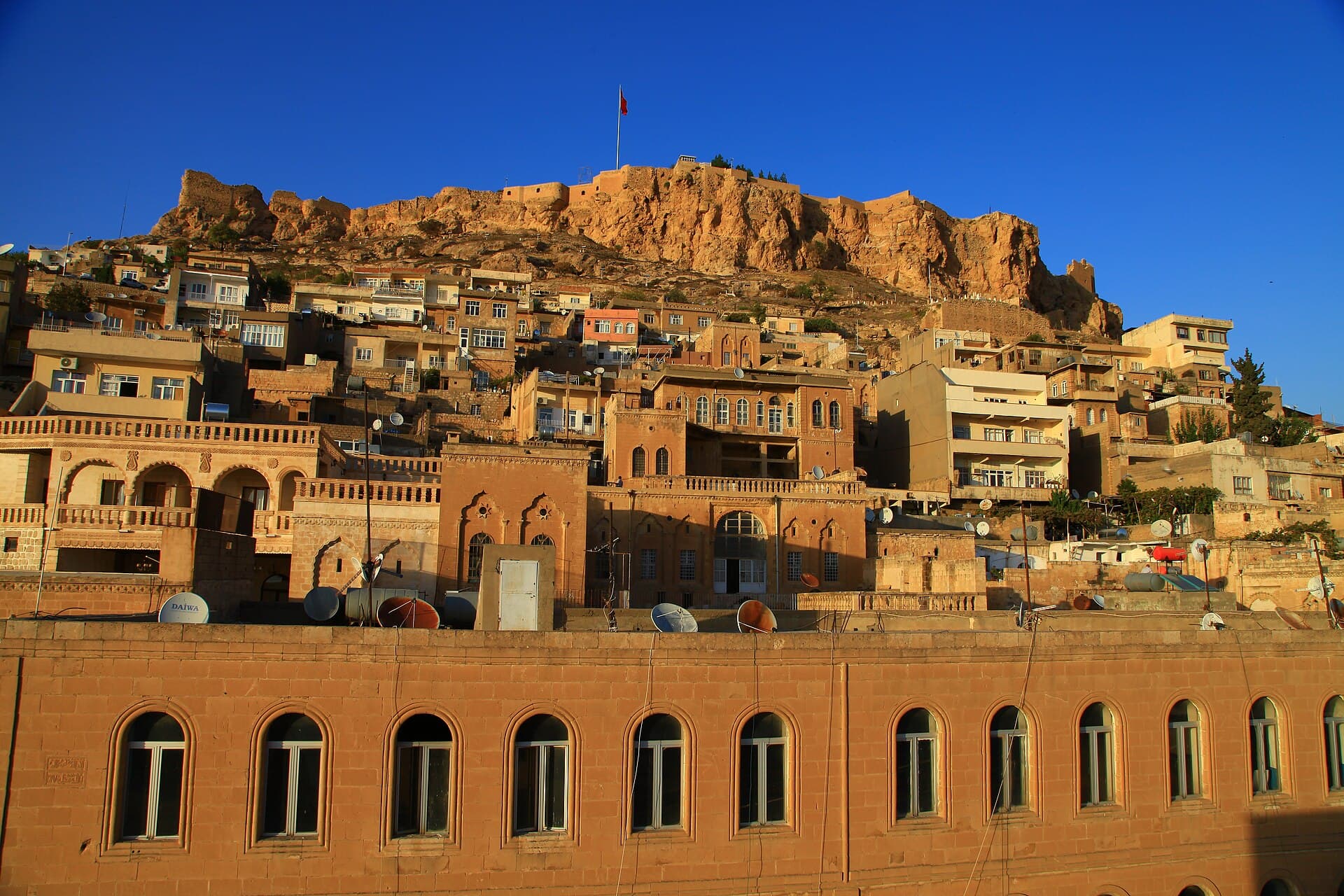
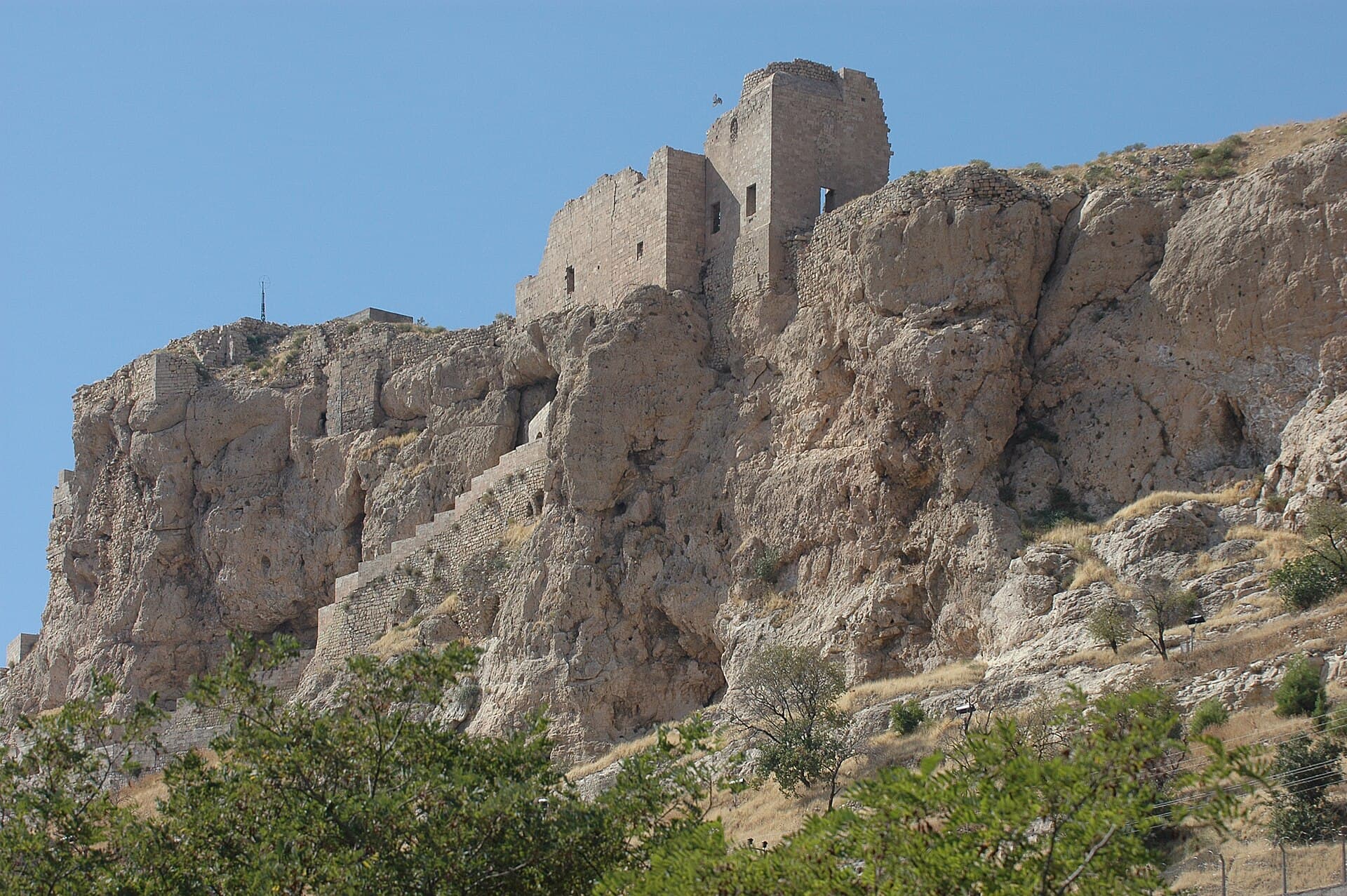
Enough context, no spoilers
Why it matters
Fortified since at least the Hamdanid period (10th century) and held in turn by Artuqid, Akkoyunlu and Ottoman rulers for its commanding position over the plain. Mardin's provincial governor's office has formally requested the military relinquish the site for civilian and tourism use since at least 2008, without success; renewed access and excavation efforts began around 2022 under Mardin Artuklu University.
What to know before you go
Every good photograph of Mardin has this castle in it somewhere, crowning the ridge above the honey-stone rooftops, and almost nobody who takes that photograph has been inside it, because you cannot go inside it. Mardin Kalesi — nicknamed the Eagle's Nest for a defensive position fought over since at least the Hamdanid period in the tenth century, and held in turn by Artuqid, Akkoyunlu and Ottoman rulers who all understood exactly why this hilltop mattered — is today an active military installation with a NATO radar station on it, and public access has been refused for decades. This is not a temporary closure like scaffolding you might catch coming down next season. Mardin's own provincial governor's office has been formally requesting the military hand the site back for civilian and tourism use since at least 2008, repeatedly, without success, and while renewed excavation and access efforts began around 2022 under Mardin Artuklu University with Ministry permission, none of that has yet translated into a visitor walking the ramparts. Plan around what's actually true today, not what a hopeful headline suggests might happen. So treat the castle as a landmark you read rather than one you enter. Its importance is legible from outside: this ridge was chosen and defended for exactly the reason you can see standing anywhere in the old city below it — it commands the entire approach across the Mesopotamian plain, and no army moving north through Mesopotamia could take Mardin without dealing with whoever held this summit first. Carry that context into every other site in the old city, because the castle is the reason the rest of the city sits where it does. For the view, don't attempt to walk up to the walls yourself — the approach is a working military perimeter, not a scenic trail, and heading toward it is neither welcome nor sensible. Instead use Zinciriye Medresesi's terrace, a short walk below the castle's base and the closest good publicly accessible vantage point onto the walls and towers. From further back in the old city, or from a rooftop café along 1. Cadde in the last hour of daylight, the whole silhouette catches the sunset light against the sky — which is the photograph everyone visiting is actually taking anyway.