Patara Beach
Türkiye's longest beach, backed by dunes instead of hotels — closed to everyone from 8pm to 8am all summer so loggerhead turtles can nest.
Enough context, no spoilers
Why it matters
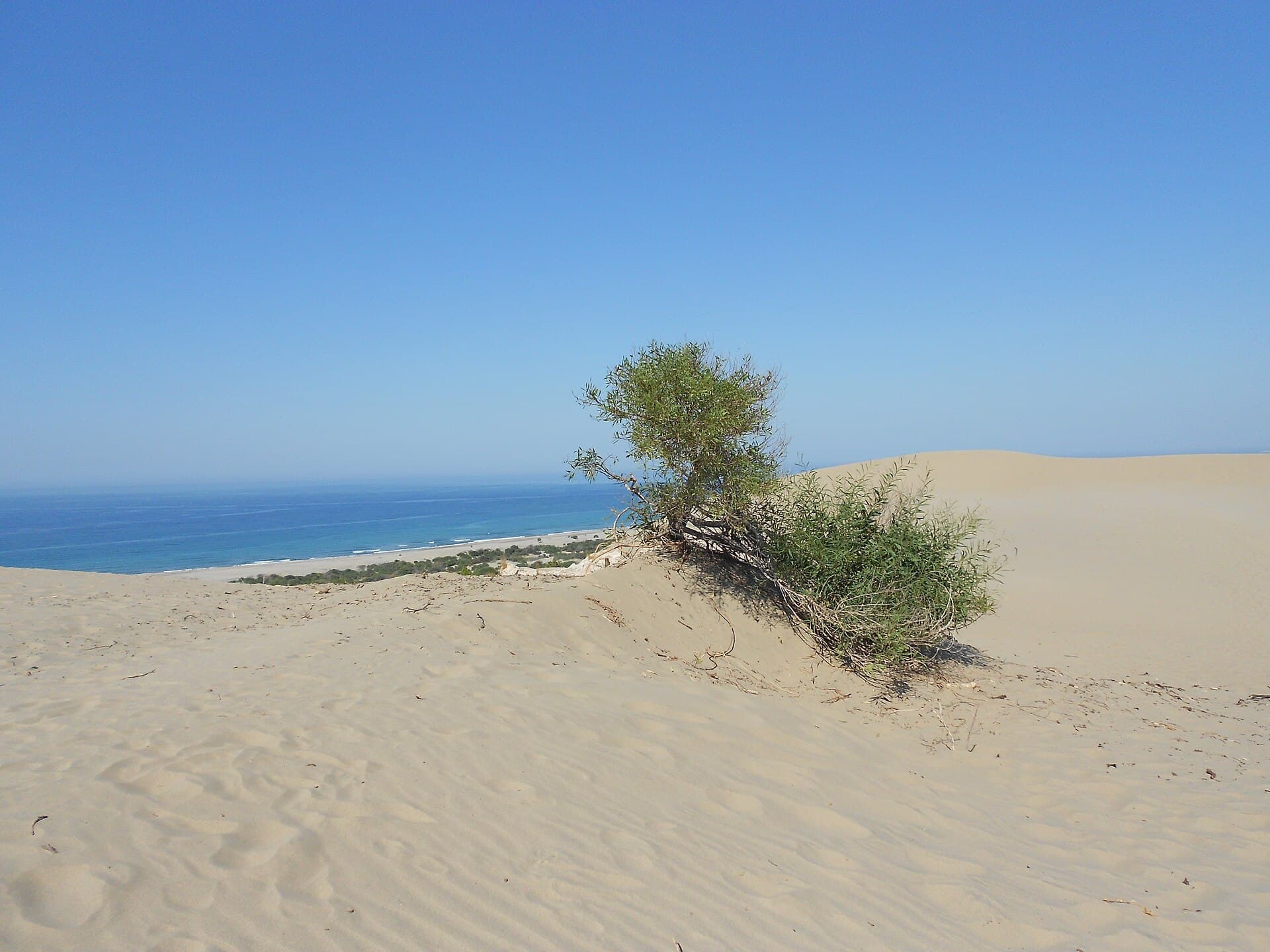
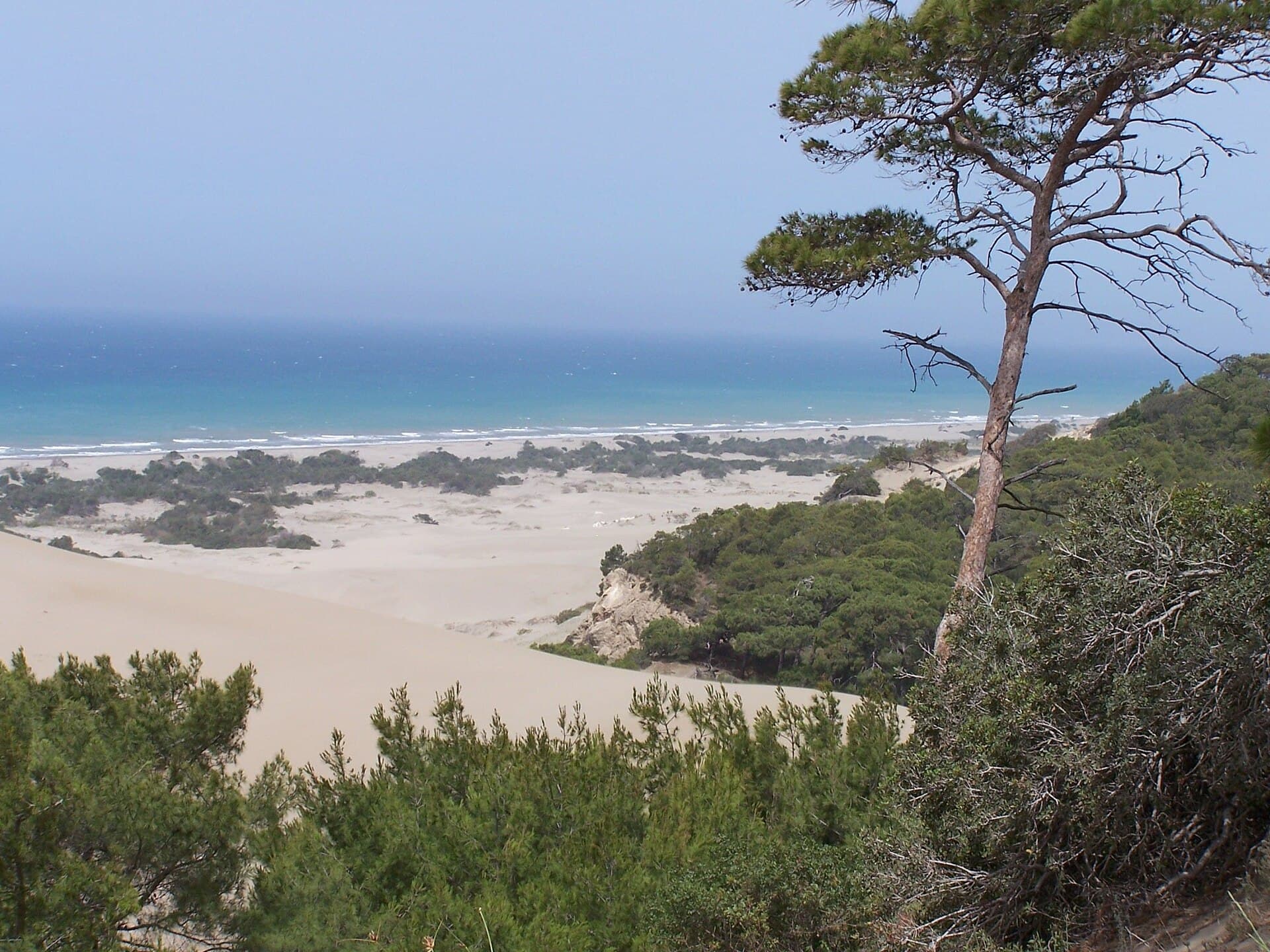
Sand dunes built up over centuries as Patara's harbour silted and the sea receded, leaving a long open beach where the ancient port once stood. It's one of the Mediterranean's significant nesting beaches for the loggerhead turtle, Caretta caretta, monitored and protected for decades.
What to know before you go
The number attached to Patara Beach — usually given as around 18 kilometres, Türkiye's longest — is less interesting than what actually put the sand there. This was open water in antiquity, Patara's harbour, one of the busiest ports in Lycia. Centuries of silt from the Xanthos river valley pushed the coastline outward until the sea gave up the ground entirely, and what's now a beach backed by dune fields is the wreckage of that process: a working ancient port turned into empty coastline because it stopped being useful for ships. Nothing here was built as a beach. It became one. The turtles are the reason the beach still looks the way it does rather than being a hotel strip. Patara is one of Türkiye's protected nesting beaches for the loggerhead, Caretta caretta, and the protection is not a soft suggestion: under a nationwide rule covering twenty-one designated turtle beaches across five provinces, Patara is closed to the public from 8pm to 8am every night from 1 May through 30 September, with camping, fires, tents and vehicles banned on the sand outright and fines that run into the hundreds of thousands of lira for anyone caught. During the day you'll likely see roped-off, marked sections of sand — active nests, flagged by volunteers who patrol the beach through the season — and the only sensible response is to walk around them, not read the rope as a photo opportunity. This is one of the clearer "the rule is real, plan around it, don't test it" situations on this coast, worth knowing before you plan a sunset swim or a night on the sand, because both are flatly against the rules here from May to September. None of that makes it a bad beach — quite the opposite. The scale is what a beach with no buildings behind it and no marina in sight looks like on this coast, which is rare. Come by day, combine it with the ruins using the single shared ticket, and treat the closing time as a hard stop rather than a suggestion: this is not the beach for a sunset picnic that runs past dark.