Kümbet Mosque (Church of the Twelve Apostles)
A 10th-century Armenian cathedral that's been a mosque, a Russian Orthodox church, a museum, and a mosque again.
Enough context, no spoilers
Why it matters
Built 932-937 CE by Armenian Bagratid King Abas I as the Church of the Twelve Apostles, it became a mosque in 1064, a Russian Orthodox church during the 19th-century occupation, the city museum from 1964-1981, and has been an active mosque again since 1993.
What to know before you go
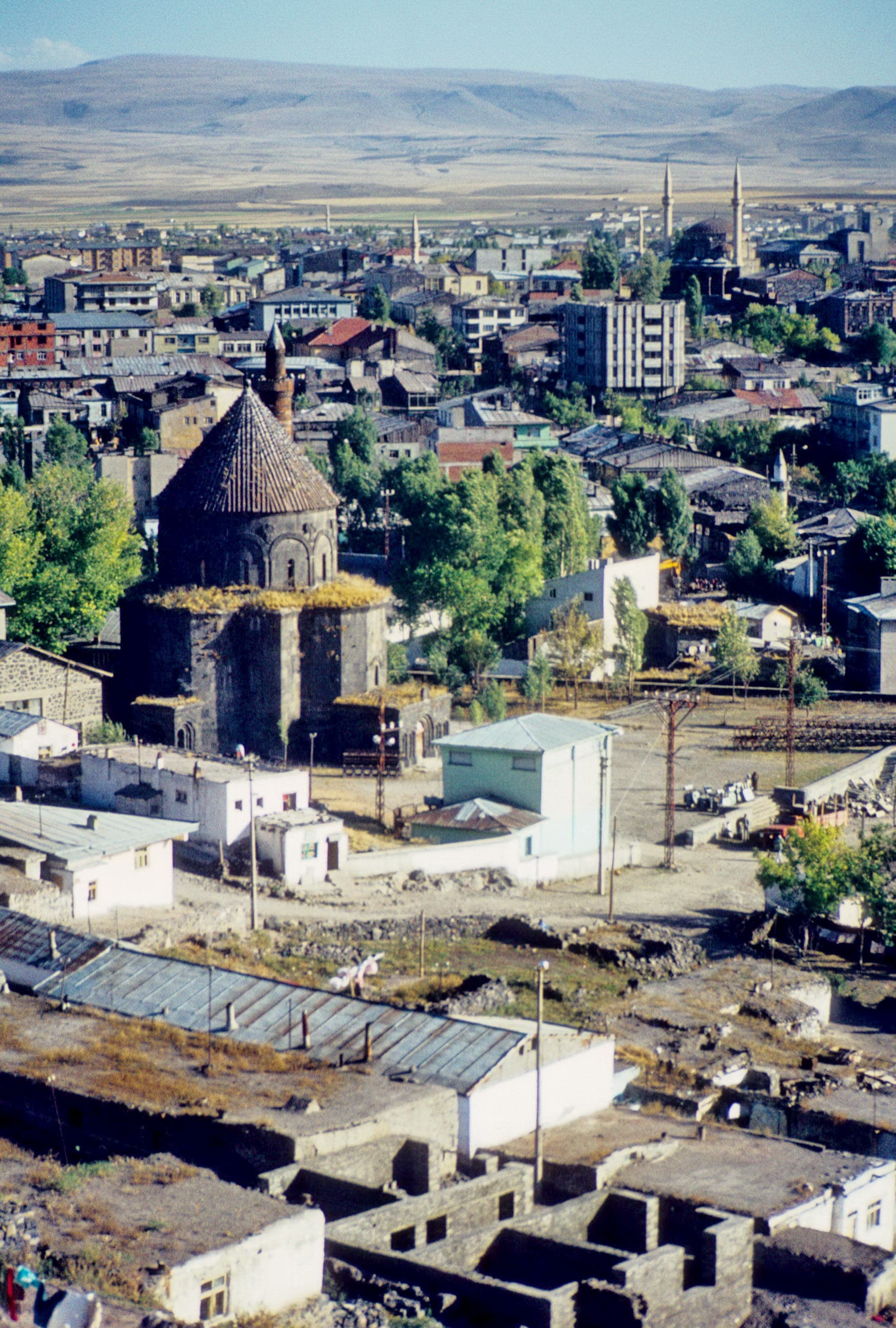
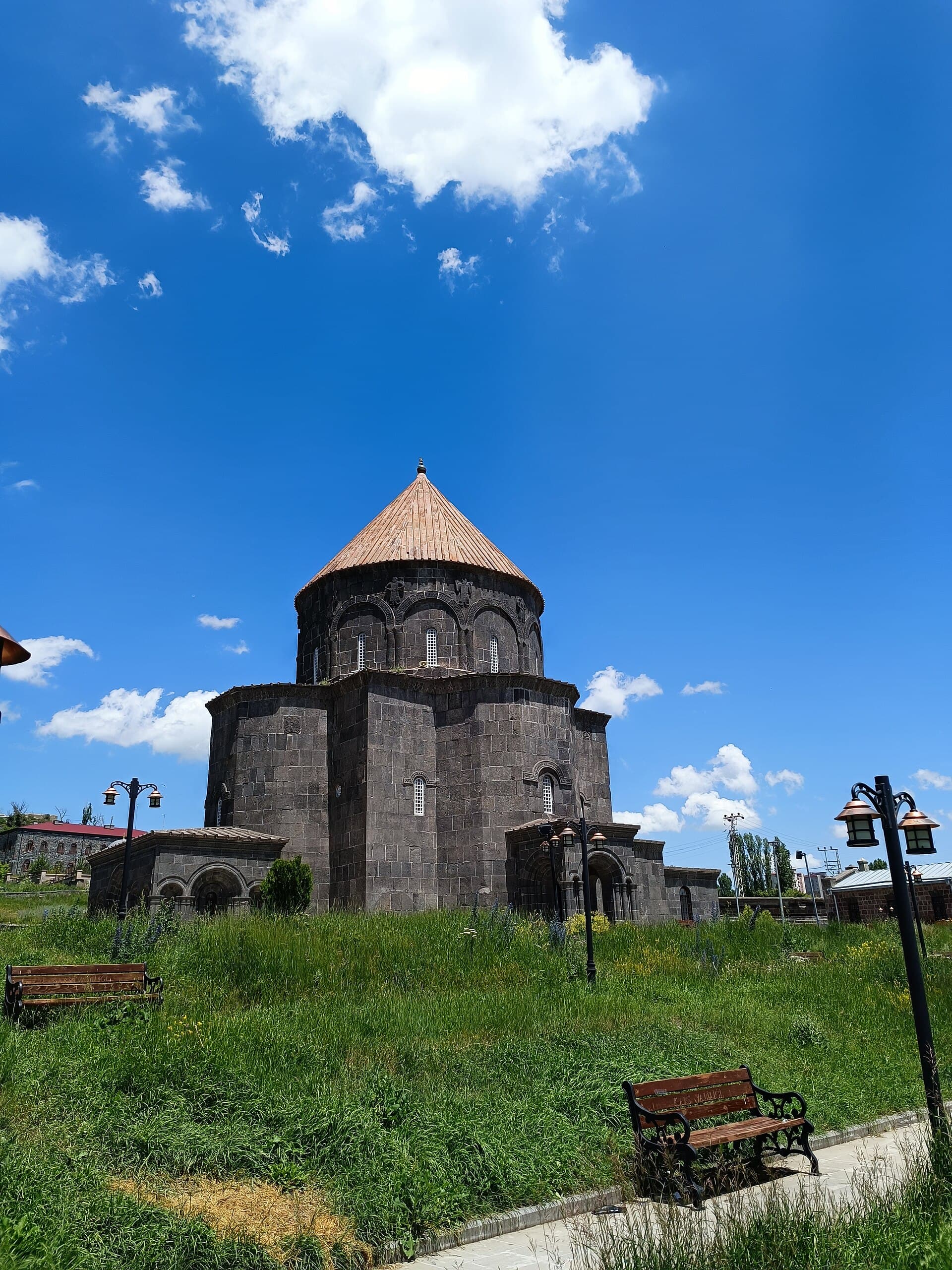
Few buildings anywhere have changed religious hands as many times, as legibly, as this one. It was built between 932 and 937 CE by the Armenian Bagratid King Abas I as the Church of the Twelve Apostles, a centrally planned cathedral with four niches set at right angles beneath a conical dome - a design distinctive enough that it's sometimes, with some exaggeration, called 'the Hagia Sophia of the East.' It became a mosque in 1064 after Seljuk conquest, was reconverted to a Russian Orthodox church during the 1878-1918 imperial period (when much of central Kars was being rebuilt in a Baltic architectural style around it), returned to use as a mosque after Turkish control resumed in 1918, then spent 1964 to 1981 as the city's museum before being reconsecrated as a mosque in 1993, which it has remained ever since. That sequence - church, mosque, church, mosque, museum, mosque - isn't a curiosity footnote; it's the clearest single record in Kars of exactly who controlled the city and when, compressed into one small, finely built structure. The stonework itself is the other reason to come: basalt dressed with real precision, and a dome whose niches alternate between rounded interior curves and pentagonal exterior faces, a detail worth actually looking for rather than glancing past. As a functioning mosque, visit with the usual courtesies - modest dress, shoes off, and avoid arriving right at prayer time - and it sits easily within walking distance of both the castle and the old town's Russian-grid streets, so it folds naturally into the same outing as either.