Baltic Architecture District
A Russian-planned grid of basalt buildings that makes central Kars look like nowhere else in Türkiye.
Enough context, no spoilers
Why it matters
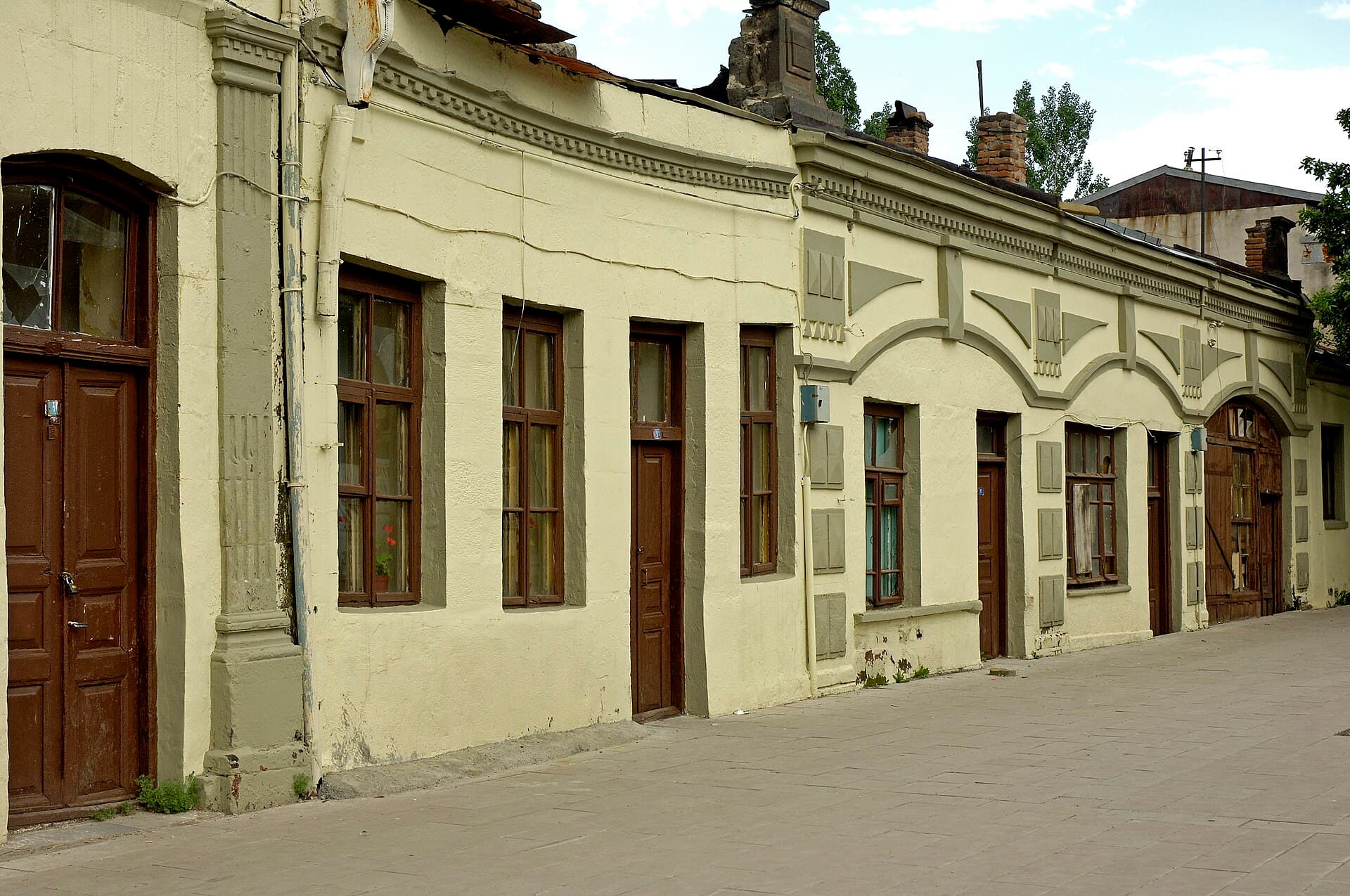
Built 1878-1917 under Russian imperial administration using Dutch-trained engineers, roughly 170 buildings across the Kâzımpaşa, Ortakapı and Cumhuriyet neighbourhoods form a deliberate transplant of Baltic coastal architectural style onto an Anatolian city grid.
What to know before you go
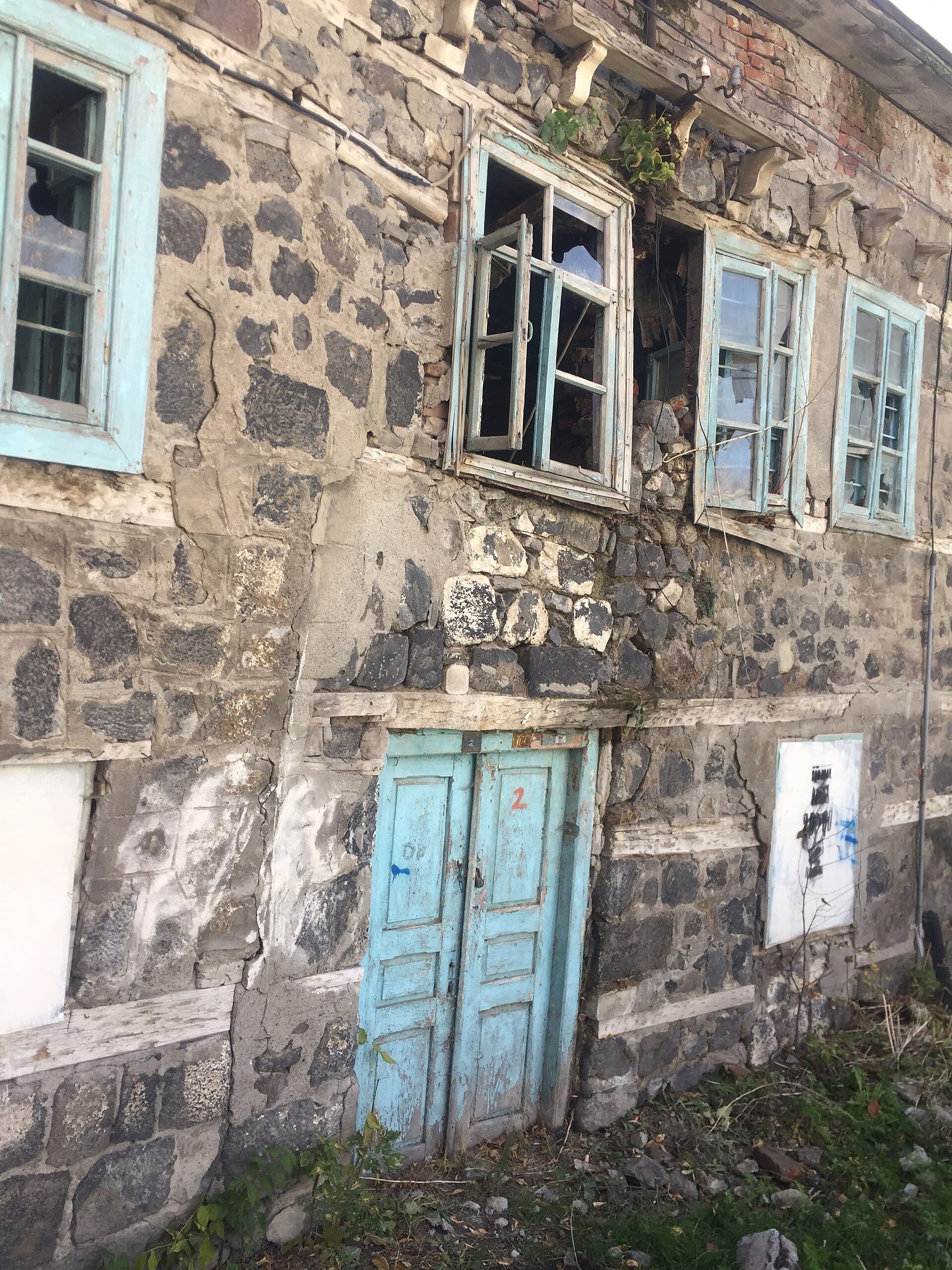
After the 1878 Russo-Turkish War handed Kars to Russian administration, the new rulers didn't just occupy the existing Ottoman city - they built a new one beside it, and roughly 170 of those buildings still stand today. Russian planners laid out a genuine grid, wide streets meeting at right angles across what became the Kâzımpaşa, Ortakapı and Cumhuriyet neighbourhoods, and brought in Dutch-trained engineers to execute it in cut local basalt, one or occasionally two storeys, in a style transplanted wholesale from the Baltic coast rather than adapted from anything Ottoman or Armenian already in the city. The effect, walking these streets today, is genuinely disorienting in a good way: nothing about the architecture reads as expected Turkish city centre, and that's the honest point of visiting - it's the physical evidence of a twenty-year period, 1878 to 1918, that reshaped Kars more thoroughly than almost anywhere else in modern Türkiye changed hands. One specific building carries real documented history: it served as the council hall of the short-lived Southwest Caucasus Government in 1919, was Kazım Karabekir Pasha's headquarters during the Turkish recovery of the city, and hosted the signing of the 1921 Treaty of Kars, which fixed the modern Turkey-Armenia-Georgia border still in effect - though its current street address proved difficult to pin down precisely in research, so treat it as a story attached to the district generally rather than a single confirmed doorway to find. Preservation is a live, mixed picture: some buildings are protected, many are privately owned and altered, and a genuine walking tour here rewards slow attention over a checklist of addresses.