Taxiarchis Church / Cunda Rahmi M. Koç Museum
A Greek cathedral turned mosque turned ruin turned museum — Cunda's clearest record of what 1923 did to a single building.
Enough context, no spoilers
Why it matters
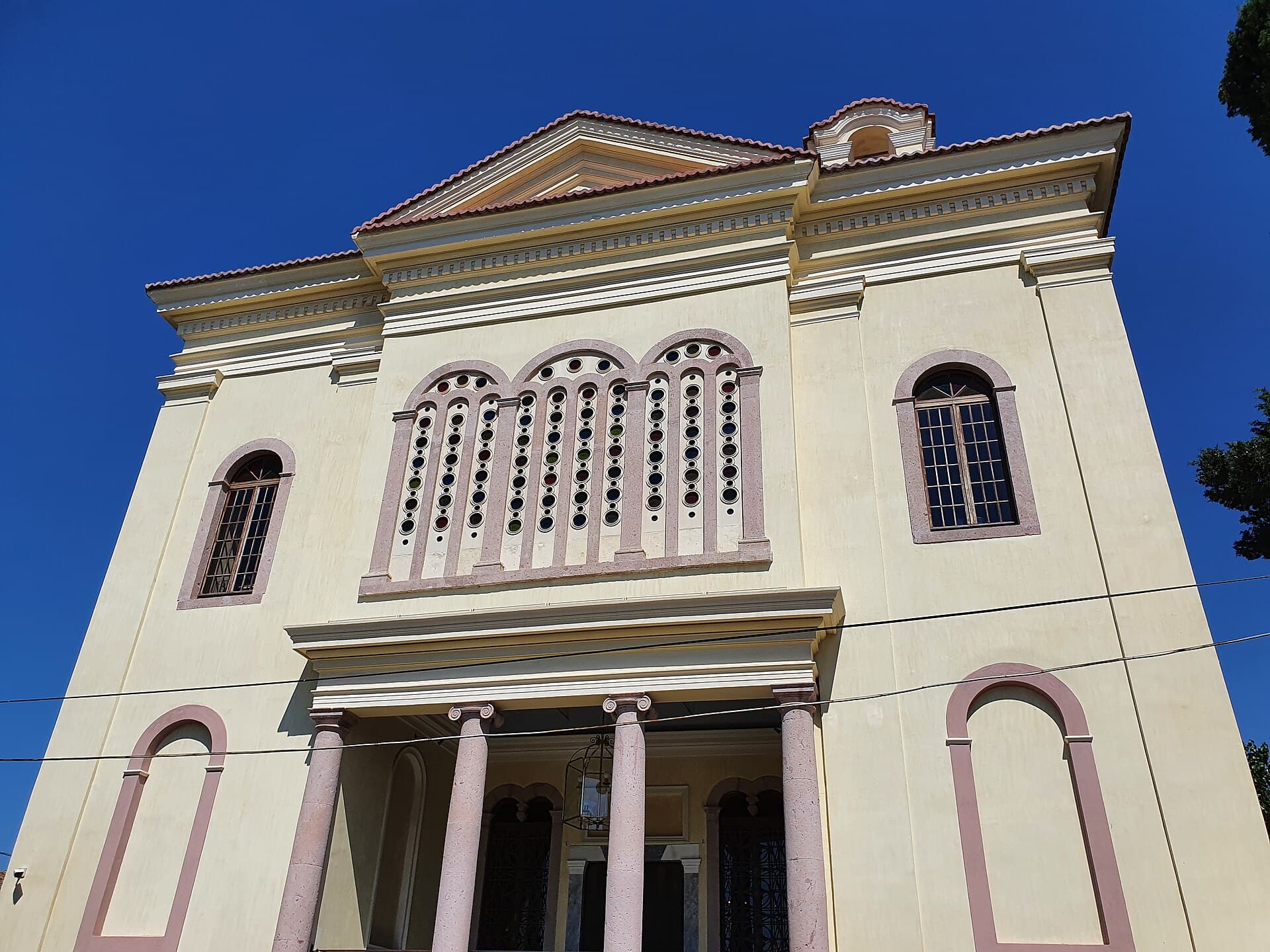
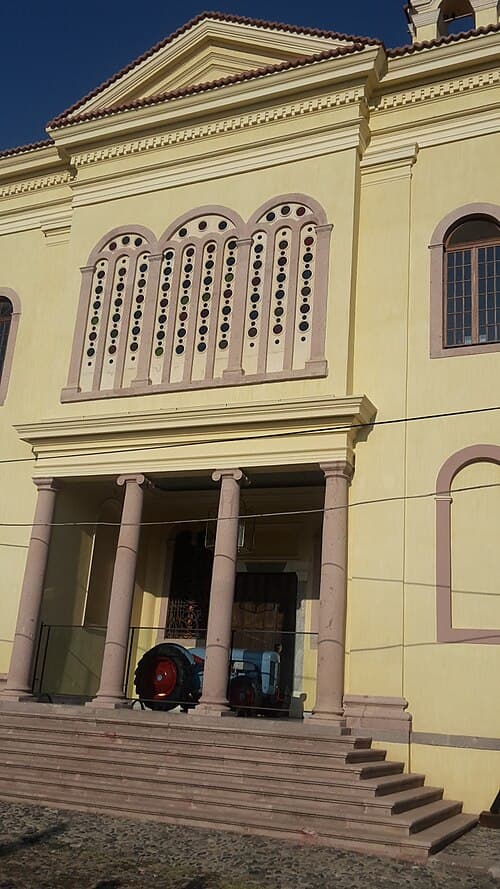
Built in 1873 as the Metropolitan Church of the Archangels for Cunda's Greek Orthodox community, it was converted to a mosque without a minaret after the 1923 population exchange, its iconostasis dismantled and frescoes painted over. A 1944 earthquake left it badly damaged, standing abandoned for decades before restoration and its May 2014 reopening as a museum under the Rahmi M. Koç Museum and Culture Foundation.
What to know before you go
Of everything the 1923 population exchange did to Ayvalık and Cunda's built landscape, the former Taxiarchis Church - the Metropolitan Church of the Archangels - is probably the single building that shows the whole sequence most legibly. It was built in 1873 as Cunda's Greek Orthodox cathedral, at a scale and cost that reflected how wealthy the island's Greek community had become on the back of the region's olive trade. When that community was resettled to Greece under the exchange, the church didn't simply close - it was converted directly into a mosque, minus a minaret, with the iconostasis dismantled and the interior frescoes painted over, a fairly literal erasure of its previous function carried out on the building itself rather than around it. It didn't stay in use as a mosque for long either: a 1944 earthquake left it structurally damaged, and for decades afterward it stood empty, roofless in places, a genuine ruin in the middle of the island rather than a maintained landmark. What changed that was a restoration completed under the Rahmi M. Koç Museum and Culture Foundation, reopening the building in May 2014 as a museum - not a reconsecrated church and not a mosque, but a third life entirely, its cathedral proportions and much of its original stonework brought back while the interior now holds the maritime, industrial and transport exhibits typical of Rahmi Koç Museum branches elsewhere in Turkey. That combination is worth seeing specifically for the layering: you're standing inside a nineteenth-century Greek Orthodox cathedral shell, looking at old outboard motors and mechanical curiosities, in a building that was a mosque for longer than either of those other identities. Give it an hour, more if the temporary exhibits interest you, and look up rather than just at the display cases - the ceiling and window proportions are the clearest surviving evidence of what this building actually was before 1923 rewrote it twice over.