Cunda Island
Cross a 1960s causeway to an island wholly Greek until 1923, resettled by Cretan and Lesbos Turks - windmills and waterfront tavernas.
Enough context, no spoilers
Why it matters
Cunda (Alibey Adası), 26.8km2 and now home to about 3,300 people, was entirely Greek Orthodox before the 1923 population exchange, then resettled by Muslim Turks expelled from Crete and Lesbos. The causeway linking it to the mainland, built in the late 1960s, is often cited as Turkey's first bridge of its kind.
What to know before you go
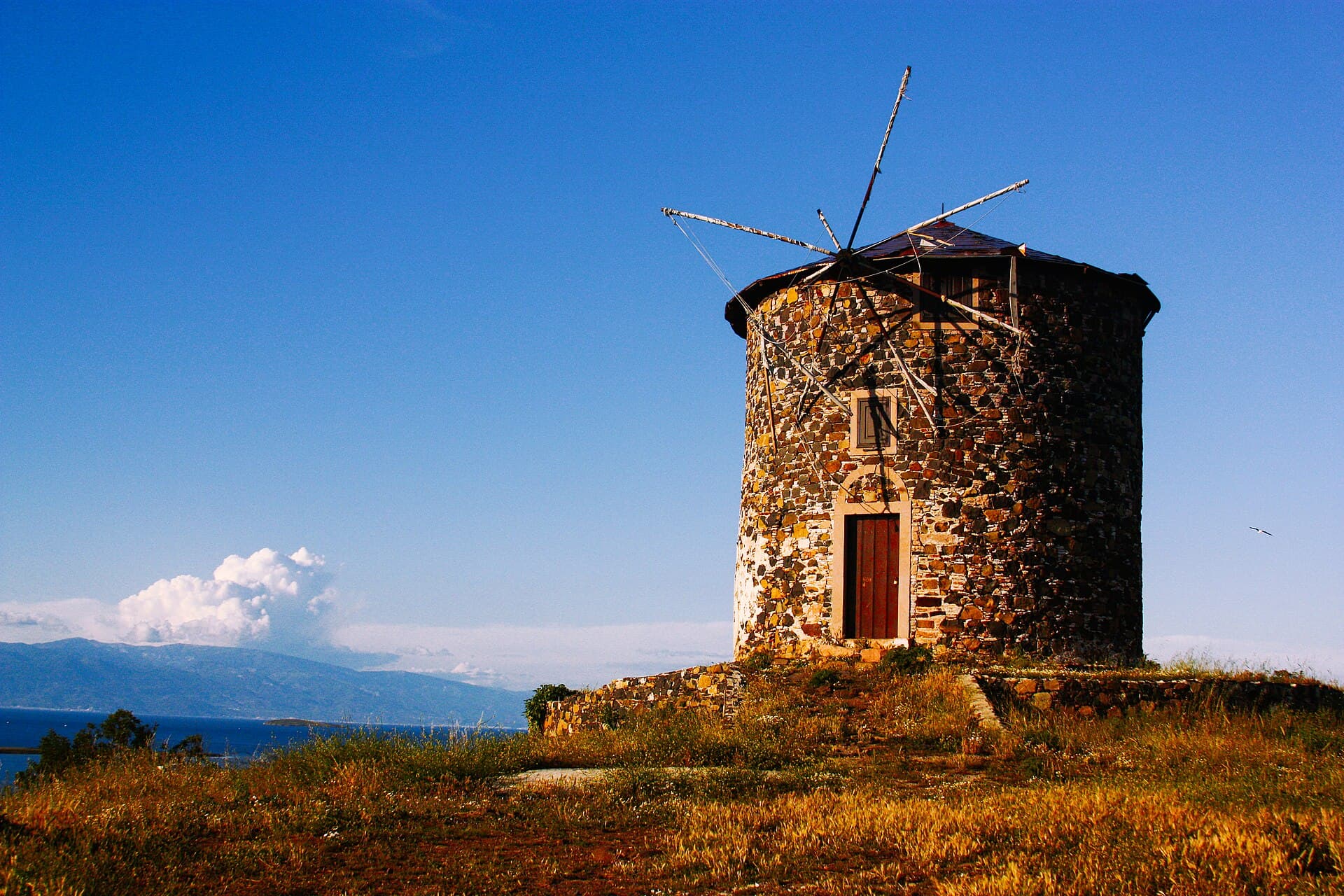
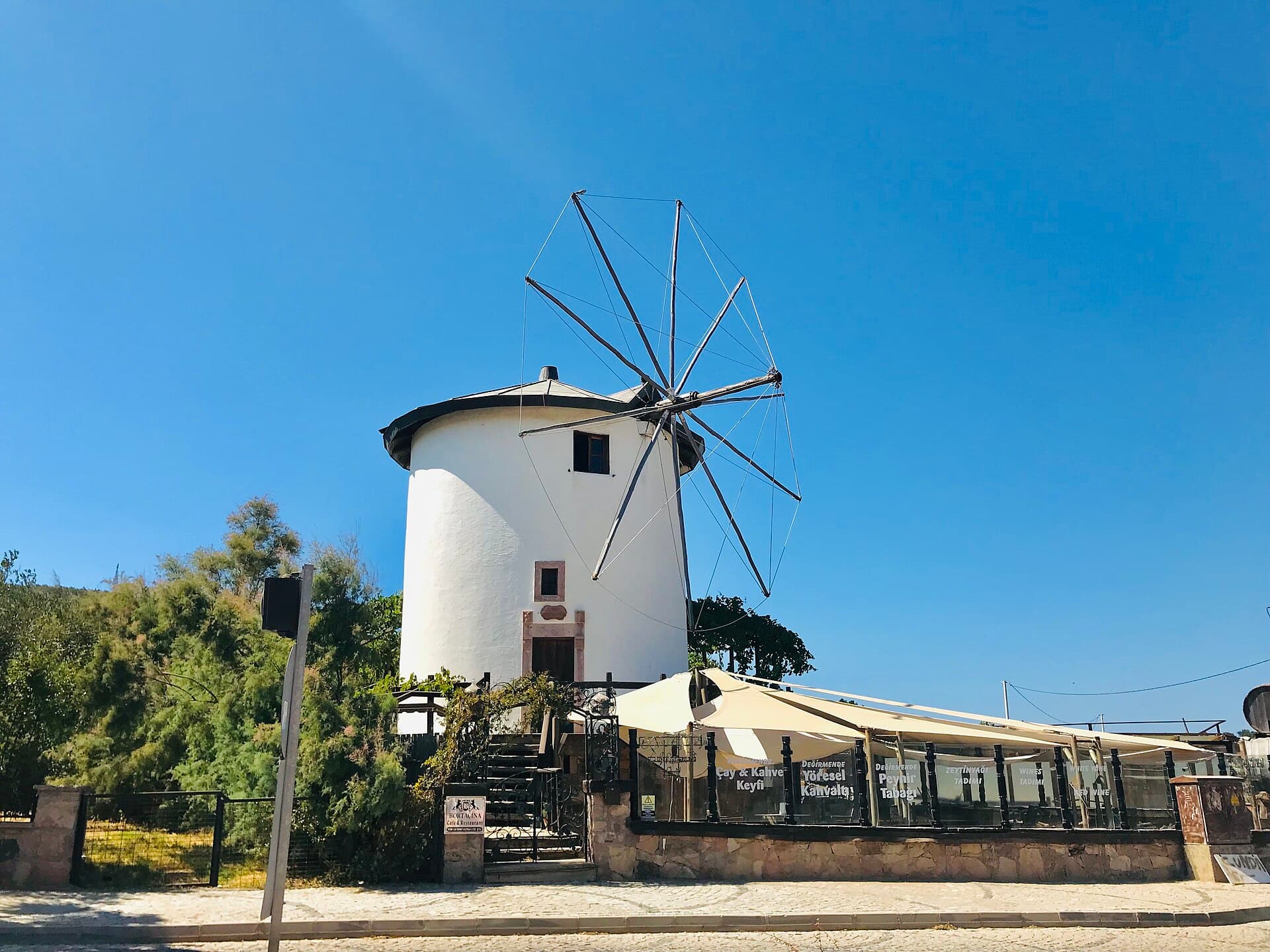
Cunda sits close enough to Ayvalık that a causeway - built in the late 1960s and often described as Turkey's first bridge linking land across open water - now carries constant dolmuş traffic across in a few minutes, but the island kept its own identity through a very different history from the mainland town beside it. Before 1923, Cunda was Greek Orthodox from end to end - a fishing and farming community with no meaningful Turkish population - and like Ayvalık across the water, it was entirely emptied of that community under the compulsory population exchange that followed the 1919-22 war. Its resettlement, though, took a specific and different shape: rather than a general Anatolian Turkish population, Cunda was largely repopulated with Muslims expelled from Crete and Lesbos - Cretan Turks whose own Greek-inflected dialects and cuisine (the island's cooking still carries recognisably Cretan touches) marked the island's culture distinctly from Ayvalık's mainland resettlement. Today Cunda holds around 3,300 people and reads, at first glance, as a smaller, quieter echo of Ayvalık's old town - the same stone houses and narrow lanes - but its waterfront has its own character, built almost entirely around the sea. Windmills, disused but photogenic, line stretches of the shoreline, remnants of an agricultural economy long since given way to tourism and fishing. The harbourfront restaurants are the island's real draw for most visitors: an unbroken run of seafood tavernas facing the water, busiest at sunset, when the light comes in low across the strait separating Cunda from Lesbos - close enough on a clear evening that the Greek island's outline is visible from the promenade, a quiet reminder of exactly how near, and how recently severed, that connection was. Give Cunda an afternoon rather than a quick drive-through: walk the waterfront at an unhurried pace, let a windmill or two catch the light, and end at a table facing the water as the boats come in.