Atatürk Köşkü
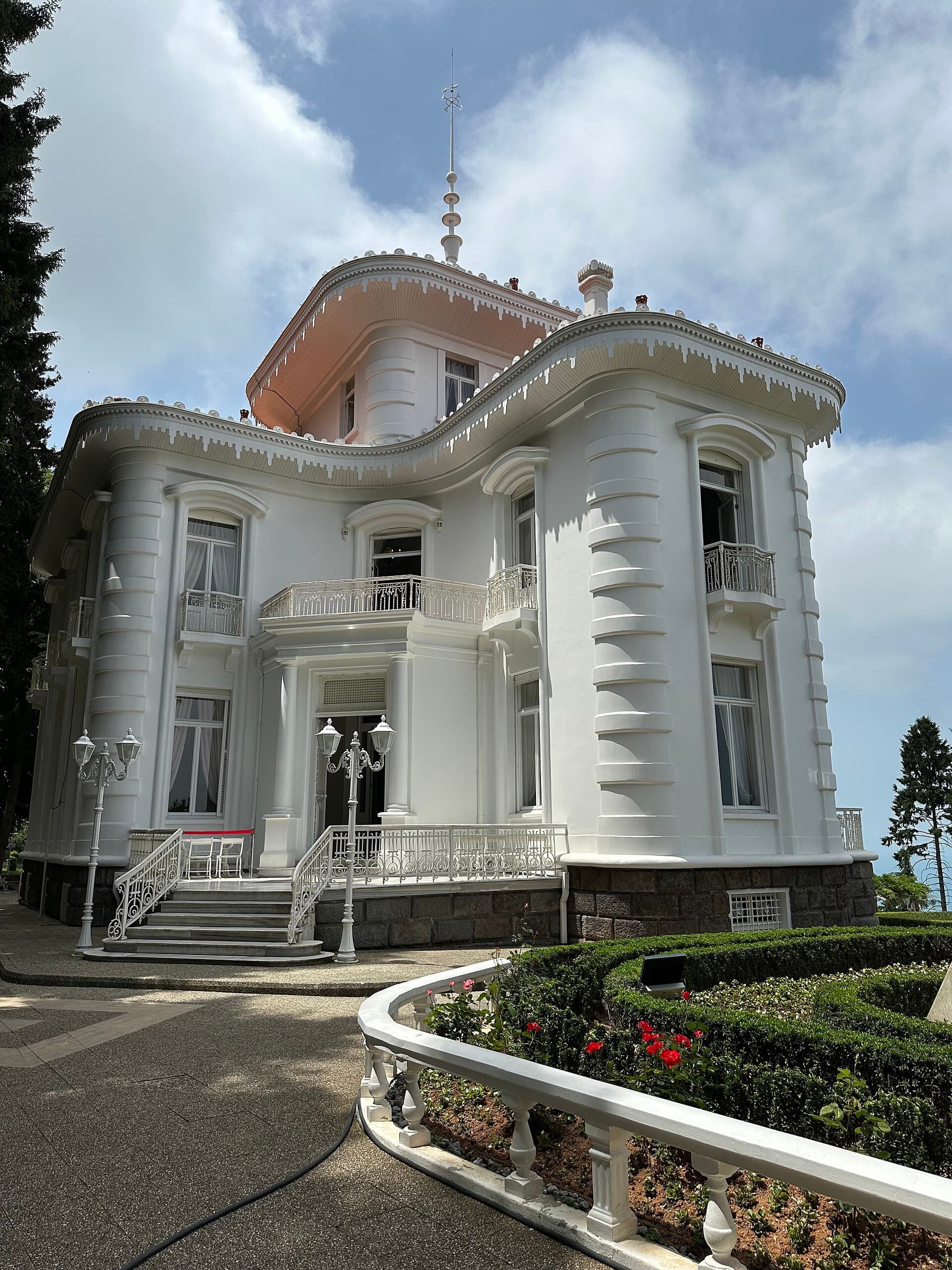
A Greek banker's Belle Époque house, where Atatürk is said to have decided, his last night in Trabzon, to leave his estate to the nation.
Enough context, no spoilers
Why it matters
Built on Soğuksu hill by Konstantin Kabayanidis, a Greek Orthodox banker, 1890s–1912, in a European Renaissance-influenced style. State-owned from the 1920s. Atatürk visited Trabzon three times — 1924, 1930, 1937 — and stayed here; tradition ties 11 June 1937 specifically to this house. A museum since 1943; restored 2023. Trabzon Museum separately claims the 1924 stay, a conflict this research could not resolve.
What to know before you go
There's a layer to this building the standard tour skips past, and it's worth pausing on. The mansion on Soğuksu hill was built by Konstantin Kabayanidis, a Greek Orthodox banker from Trabzon's substantial Ottoman-Greek merchant community, finished only a few years before that community's world ended — the 1923 population exchange sent Trabzon's Greek Orthodox residents to Greece and closed out a presence on this coast that had run for millennia. The house passed to the Turkish state and, within a year or so, was hosting the man building the republic that replaced the empire the Kabayanidis family had belonged to. That's not a footnote; it's most of what makes the building interesting beyond its furniture.
Atatürk visited Trabzon three times in his life — 1924, 1930, and a final trip in June 1937 — and stayed at this house, at least for the later visits (Trabzon Museum's own materials separately claim the September 1924 stay for a different building entirely, a conflict this research could not resolve). The 1937 visit is the one the museum is really built around. On the night of 11 June, in his final weeks of good health, Atatürk is said to have decided here that his entire personal estate — property, shares, everything — would go to the Turkish nation rather than to family. It's a specific claim tied to a specific room in a specific house, which is more than most such stories can offer, and it's the reason a modest four-storey summer villa carries the weight it does.
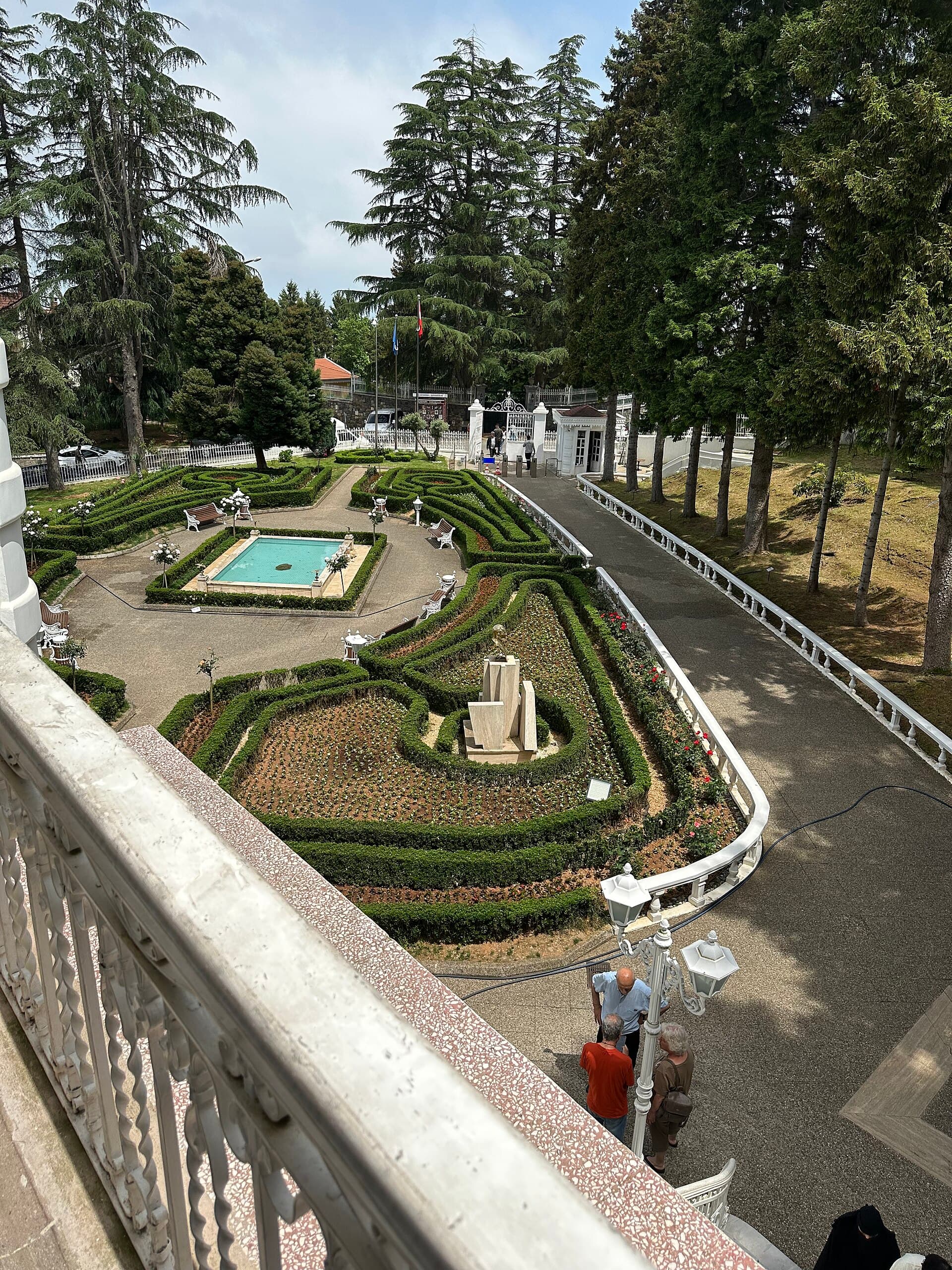
What you actually see is domestic in scale: bedrooms, a study, personal effects largely left as they stood, spread across three floors that a tour group fills quickly. Go for the setting as much as the interior — the garden terraces, planted through pine woods on the hillside, open onto a view down to the city and the sea that explains why a banker chose this particular slope for a summer house in the first place. It became a museum in 1943 and was restored again in 2023. Entry is free on 10 November, Atatürk Commemoration Day, which draws a genuine crowd — plan around that date rather than into it, unless the crowd is the point.