Tokatlı Canyon & İncekaya Aqueduct
An 80-metre glass platform over a limestone gorge, and — more impressive — a 1790s stone aqueduct that still carries a footpath across it.
Enough context, no spoilers
Why it matters
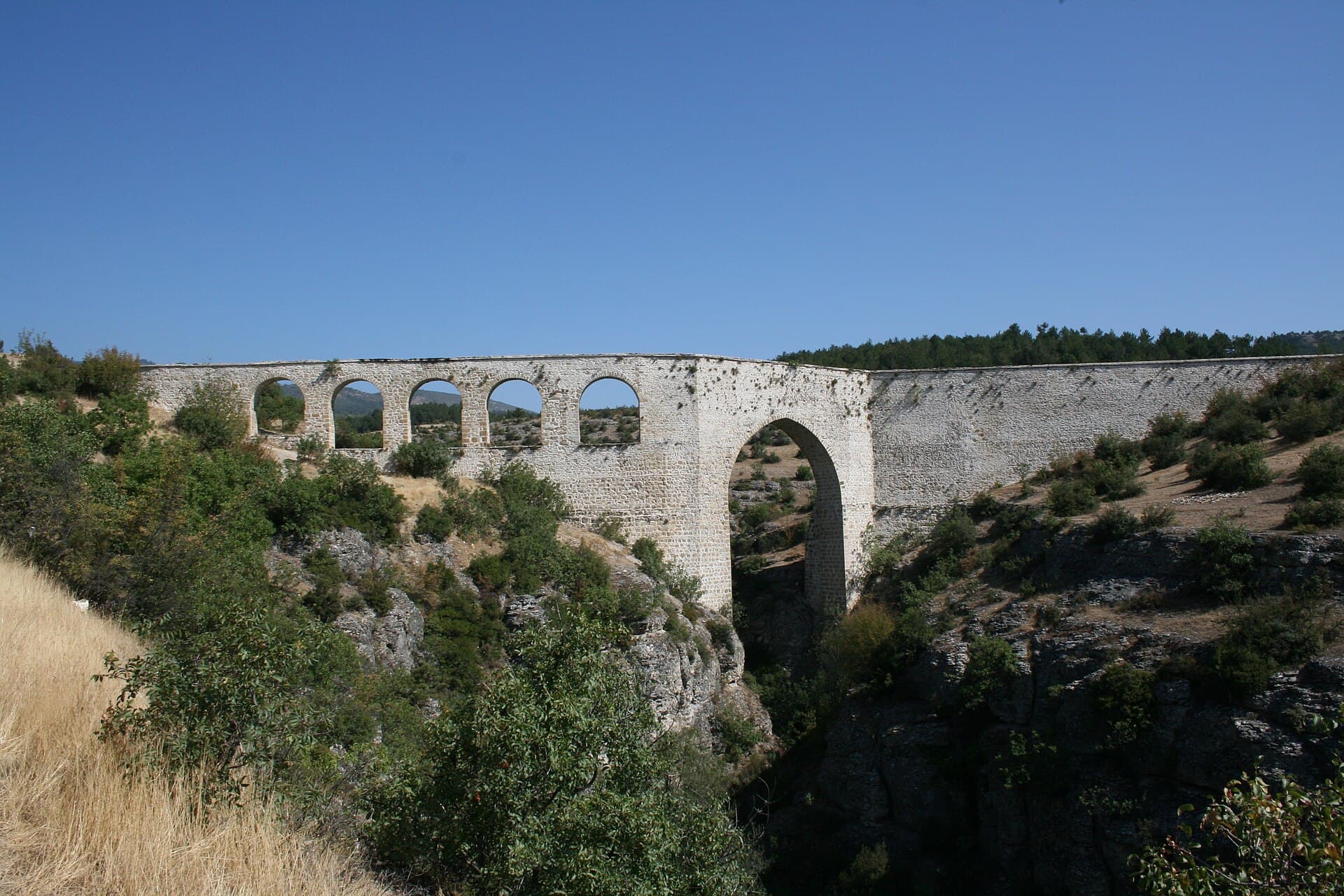
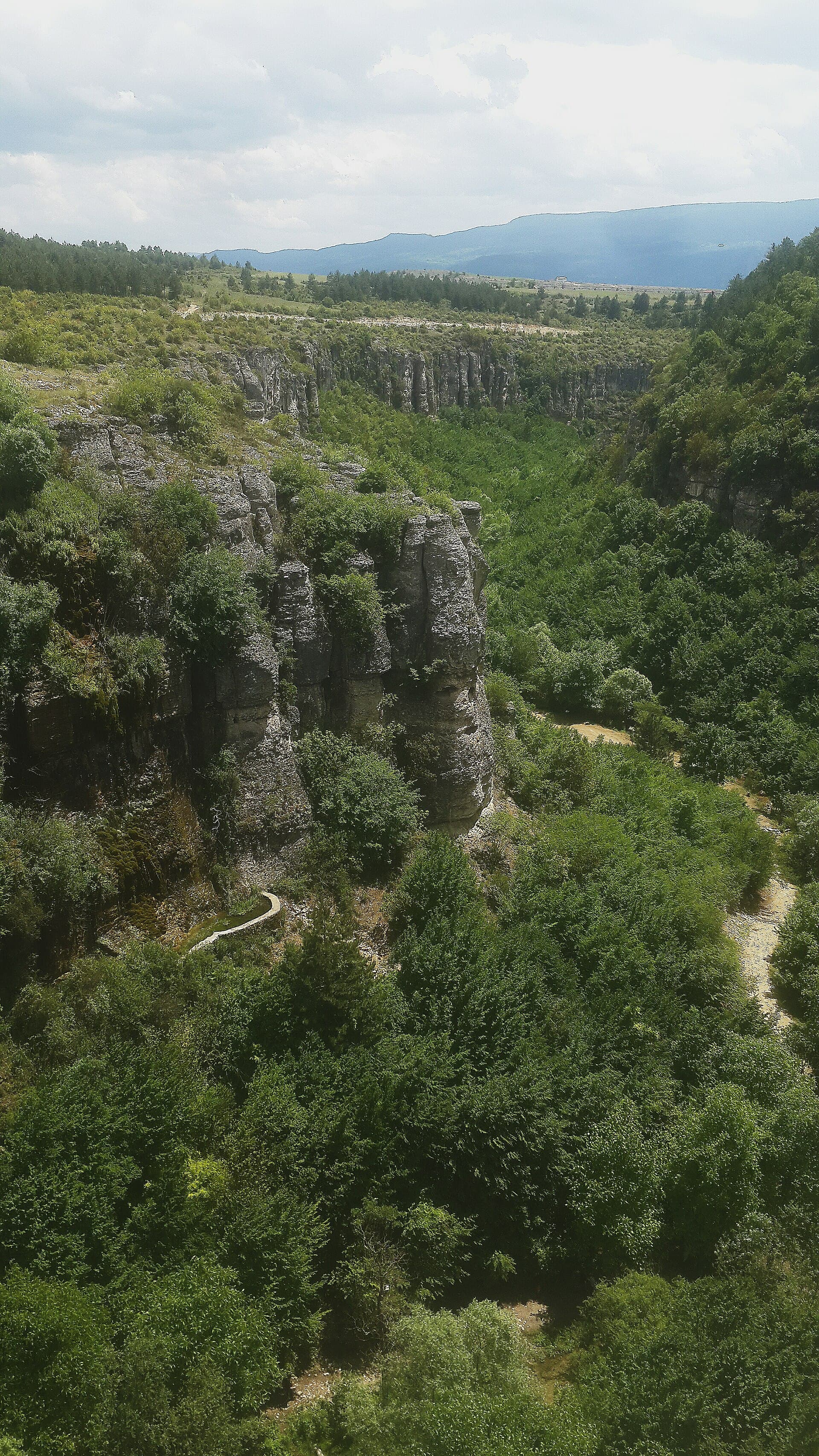
Formed as the Hızar Çayı stream cut through limestone over millennia, at the point where three canyons meet, about 8km north of the old town. The İncekaya Aqueduct spanning it was built in the 1790s by Safranbolu-born grand vizier İzzet Mehmed Pasha to carry water to the town: roughly 110–116m long, up to 60m above the canyon floor, on six stone arches.
What to know before you go
Safranbolu isn't only architecture, and Tokatlı Canyon is the easiest reminder of that — eight kilometres north of the old town, a limestone gorge cut by the Hızar Çayı stream where three canyons come together, deep and dramatic enough that it would be a destination on its own almost anywhere else in the region.
Most visitors experience it in its modern, packaged form: a glass-floored viewing terrace cantilevered out over the drop, reachable by a short walk from the car park, charging a separate fee on top of the base entrance ticket. It's honestly a little gimmicky — Türkiye has built a lot of these glass terraces over the last decade, and this is not a uniquely spiritual experience — but it works exactly as designed: your stomach drops looking straight down through your feet at the canyon floor, and the photos are good. Give it fifteen minutes and don't oversell it to yourself beforehand.
The more genuinely impressive thing is a short walk away and free to look at from the terrace: the İncekaya Aqueduct, a stone water channel raised on six arches up to 60 metres above the canyon, built in the 1790s on the orders of İzzet Mehmed Pasha, a Safranbolu-born grand vizier who wanted a reliable water supply for his hometown. It's a serious piece of Ottoman civil engineering, built to a scale that still reads as impressive standing underneath it, and unlike the glass terrace it has been quietly doing its actual job, on and off, for well over two centuries. A narrow path still runs along its top.
If you have half a day rather than two hours, the canyon rewards it: a marked trail of around 9km runs down into the gorge and along it, past the aqueduct and on toward Bulak Cave, through proper canyon walking rather than a viewing platform. Bring real shoes if you're doing this — it's a hiking trail, not a paved path. The canyon is open year-round, including winter, when snow on the pines and cliffs is its own reward and the glass terrace gets genuinely quiet — just check the weather first, since heavy rain can raise water levels and make the lower paths unsafe.