Laodicea ad Lycum
The lukewarm church of Revelation, and the largest stadium in Anatolia, twelve kilometres down the road.
Enough context, no spoilers
Why it matters
Refounded by Antiochus II in the 3rd century BC on a mound reaching back millennia, Laodicea grew rich on banking, black wool and an eye-salve exported across the empire. It was one of the Seven Churches of Revelation, rebuked for being neither hot nor cold. An earthquake in the early 7th century ended it. Excavation since 2003 has re-erected whole streets.
What to know before you go
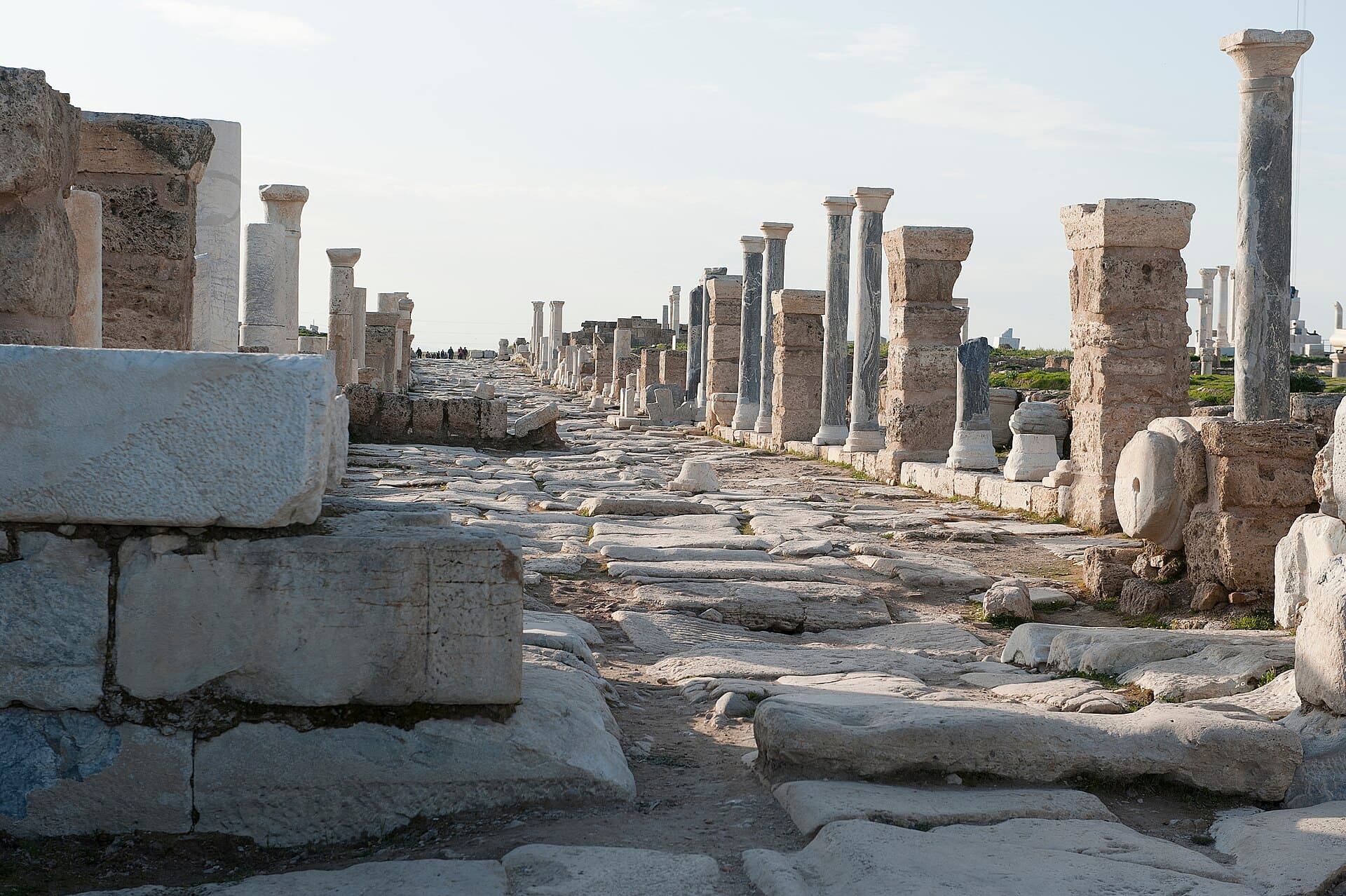
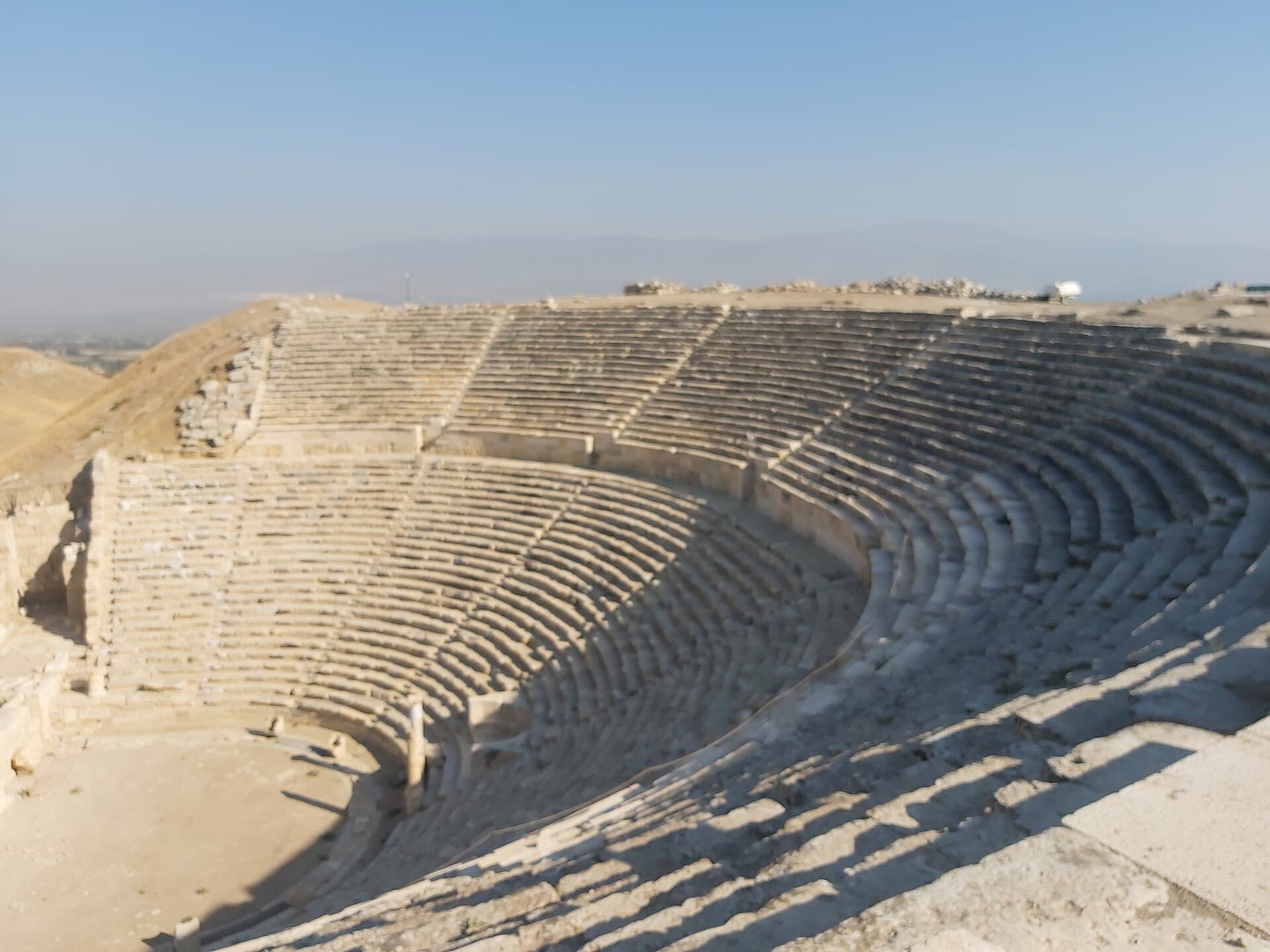
Twelve kilometres from the travertines, and by some distance the best thing at Pamukkale that nobody plans for. Laodicea was a banking town. It made money on wool — a glossy black fleece particular to the region — on an eye-salve traded across the empire, and on finance, and it was rich enough that when the earthquake of AD 60 flattened it the city declined imperial aid and rebuilt itself. That self-sufficiency is what earned it the most famous insult in the New Testament. Revelation addresses it as the last of the Seven Churches and tells it that because it is lukewarm, neither hot nor cold, it will be spat out. The image is local: Hierapolis's scalding springs to the north, cold water piped from the south, and Laodicea receiving both by aqueduct as tepid. Since 2003 the excavation has done something unusual — it re-erects. Syria Street runs colonnaded and repaved for hundreds of metres. The stadium, at around 285 metres and holding 20,000 to 25,000, is the largest in Anatolia. There are two theatres, four bath complexes, five agoras and five monumental fountains. The building to go for is the Laodicea Church, uncovered in 2010, now roofed and crossed by a glass catwalk so you walk above the mosaics. Its cruciform baptismal font is among the oldest anywhere in Christendom, and the church dates to the early 4th century — one of the earliest purpose-built churches known. Give it three hours and go in the morning: this is five square kilometres of flat, treeless, reflective marble.