Dara Ancient City
An underrated Byzantine frontier city — walls, a rock-cut necropolis, a 25m cistern — free to enter and only about a tenth excavated.
Enough context, no spoilers
Why it matters
Built in 505 AD by Emperor Anastasius I as a fortress against the Sasanian Persian Empire; renamed Iustiniana Nova under Justinian. Endured major sieges in 530, 540, 544, 573 and 604, then was abandoned after the Arab conquest of 639. Excavation, led by the Mardin Museum Directorate, began in 1986 and continues today.
What to know before you go
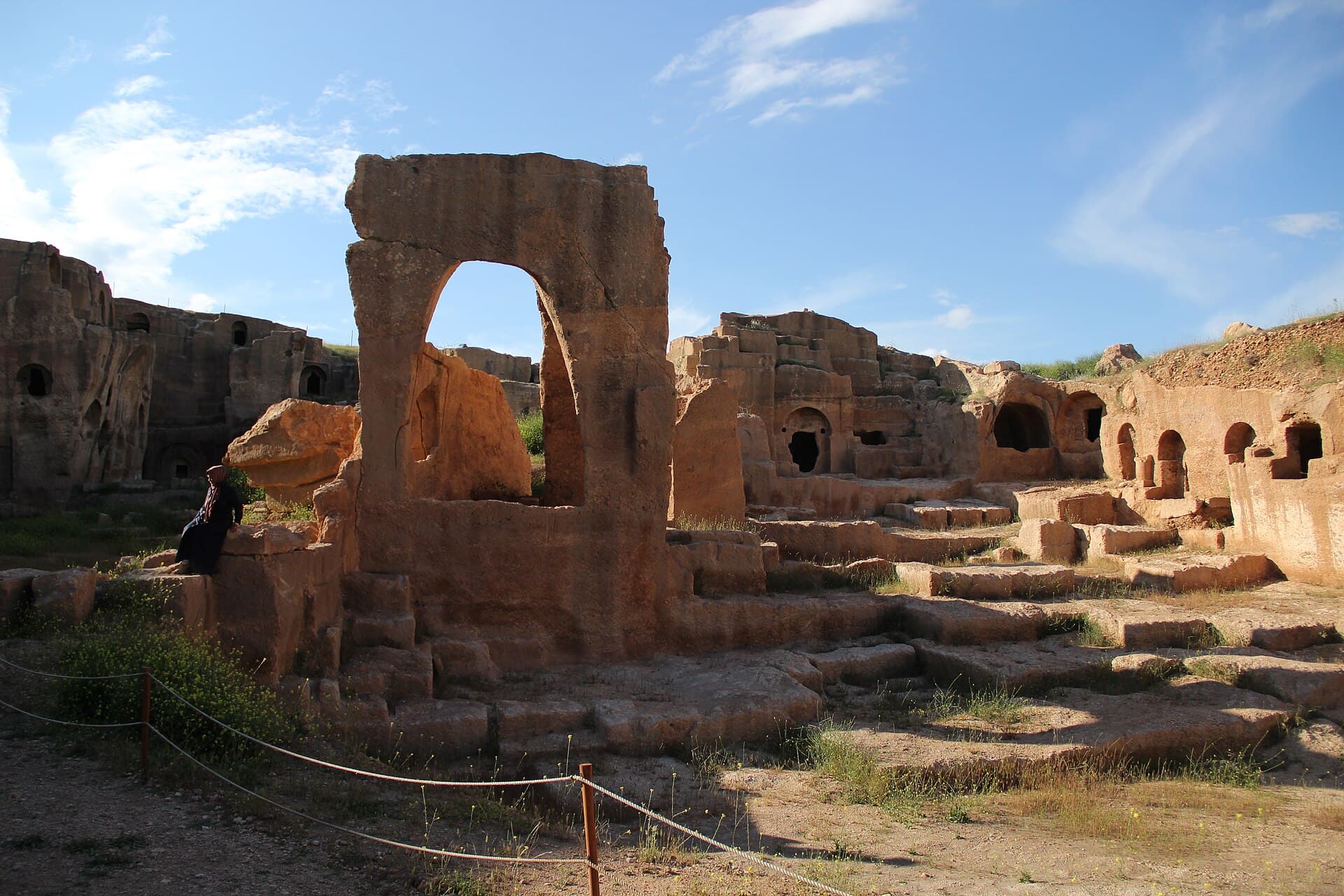
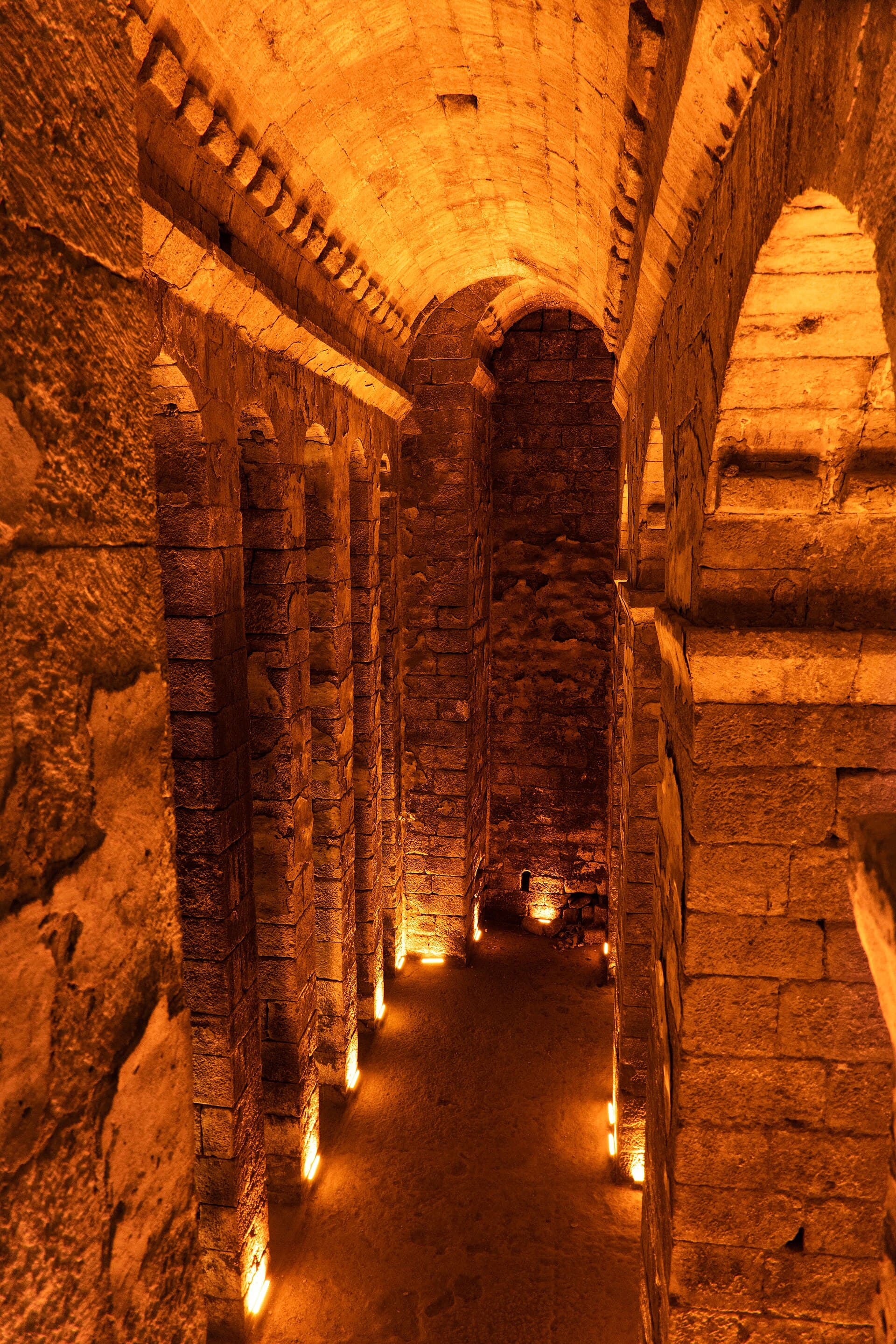
Dara is the best argument this guide can make for going somewhere nobody told you to go. It's a fully realised Byzantine frontier city — walls, cisterns, a monumental necropolis, an agora, a dam — built by the emperor Anastasius I in 505 AD specifically to face the Sasanian Persian Empire across a frontier only a few kilometres from today's Turkey–Syria border. Justinian later renamed it Iustiniana Nova and invested heavily in it, and for the next century Dara absorbed the worst of the Byzantine–Persian wars: major sieges in 530, 540, 544, 573 and 604, each testing engineering that was genuinely ahead of its time. The water system alone justifies the trip. Engineers diverted a nearby river through underground channels for miles so a besieged garrison could deny water to an attacking army, backed by one of the earliest arch dams known anywhere. You can still climb down into the largest cistern, cut twenty-five metres into bedrock and found only after fifteen years of digging — expect worn, occasionally slick stone stairs with no handrail. Above ground, the necropolis is the single best reason to come: multi-storey galleries of rock-cut tombs from the fifth and sixth centuries, arranged around chambers where whole communities were buried together, now reachable by a glass viewing platform that lets you look straight down into spaces cut for people who never expected to be a tourist attraction. Excavation started in 1986 and, after nearly four decades, has still uncovered only around a tenth of the ancient city — the honest reason Dara still feels undiscovered rather than staged. It carries darker weight too: the same cisterns that made Dara defensible in the sixth century were later used, according to historical accounts, as killing sites during the Armenian genocide in 1915. That history isn't signposted on site, but it belongs in how you hold the place. Entry is free — a sign at the gate tells you to report anyone asking for money — and there's no state ticket office to check hours against, so treat a roughly 08:00–17:00 window with a midday gap as approximate rather than fixed. And Dara needs its own line in your planning, separate from the rest of this trip: it sits close enough to the Syria border — reports range from about 6 to 10km — that it may fall inside a zone your government advises against entering at all. Check the current advisory for this specific area before you commit to the day, every time, not just once.