Çatalhöyük
A 9,000-year-old proto-city on the open plain, among the most important Neolithic sites on Earth — a real day trip, not an add-on.
Enough context, no spoilers
Why it matters
Settled from roughly 7500 to 5600 BC, Çatalhöyük held up to 8,000 people in mudbrick houses packed wall-to-wall with no streets — residents crossed rooftops and entered through the roof. Excavated from 1961, most intensively under Ian Hodder from 1993–2018, it's a UNESCO World Heritage Site (2012) under continuing Turkish-led excavation.
What to know before you go
Get the logistics straight before anything else, because this page would be dishonest if it pretended otherwise: Çatalhöyük is roughly 42–52km southeast of central Konya, near the town of Çumra, and it's a half-day-to-full-day trip, not a stop you fold into a morning of medreses. A few weekday minibuses reportedly run from Konya's Karatay terminal to the village of Küçükköy, from where it's a walk to the site; a Tuesday–Sunday tourist bus is said to leave Mevlana Square around 13:00; trains run to Çumra with a taxi or minibus onward. All of it works, technically, and all of it is slow enough that most visitors — correctly — book a taxi for the return leg or go with a tour. If you're staying in Konya for one night, be honest with yourself about whether this fits.
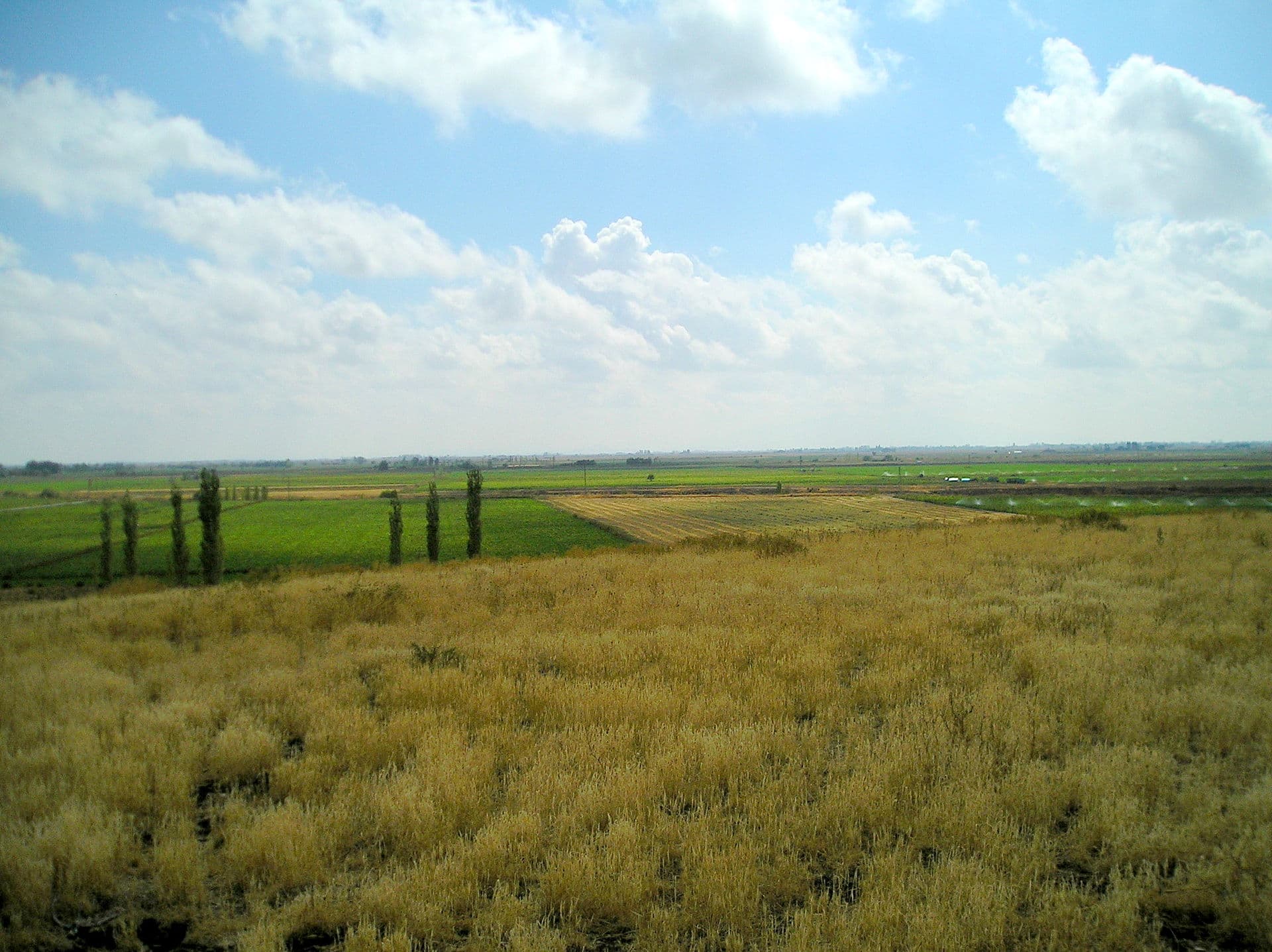
It's worth the trouble. Çatalhöyük was inhabited from around 7500 to 5600 BC and at its peak held up to eight thousand people, making it one of the largest and best-preserved Neolithic settlements ever excavated — a genuine proto-city, millennia before anything you'd recognise as Uruk or Ur. It had no streets. Houses were built wall to wall, entered through holes in the roof by ladder, because the roofscape itself was the settlement's circulation system — you walked to your neighbour's house across the top of everyone else's. People buried their dead under their own floors and periodically plastered over wall paintings and bull-horn installations, then painted new ones on top, layer over layer, for reasons still argued about by the archaeologists working the site today.
James Mellaart discovered the mound in 1958 and began digging in 1961; Ian Hodder ran a long, methodologically influential international excavation from 1993 to 2018 that helped make Çatalhöyük one of the most closely studied prehistoric sites anywhere. It was inscribed as a UNESCO World Heritage Site in 2012, and it's still being dug: Turkish-led teams continue seasonal excavation and conservation, and in 2025 uncovered a previously unknown ritual structure — dubbed the "House of the Dead" — with fourteen burial platforms, only partly excavated as of this writing. Only about five percent of the mound has been opened in total.
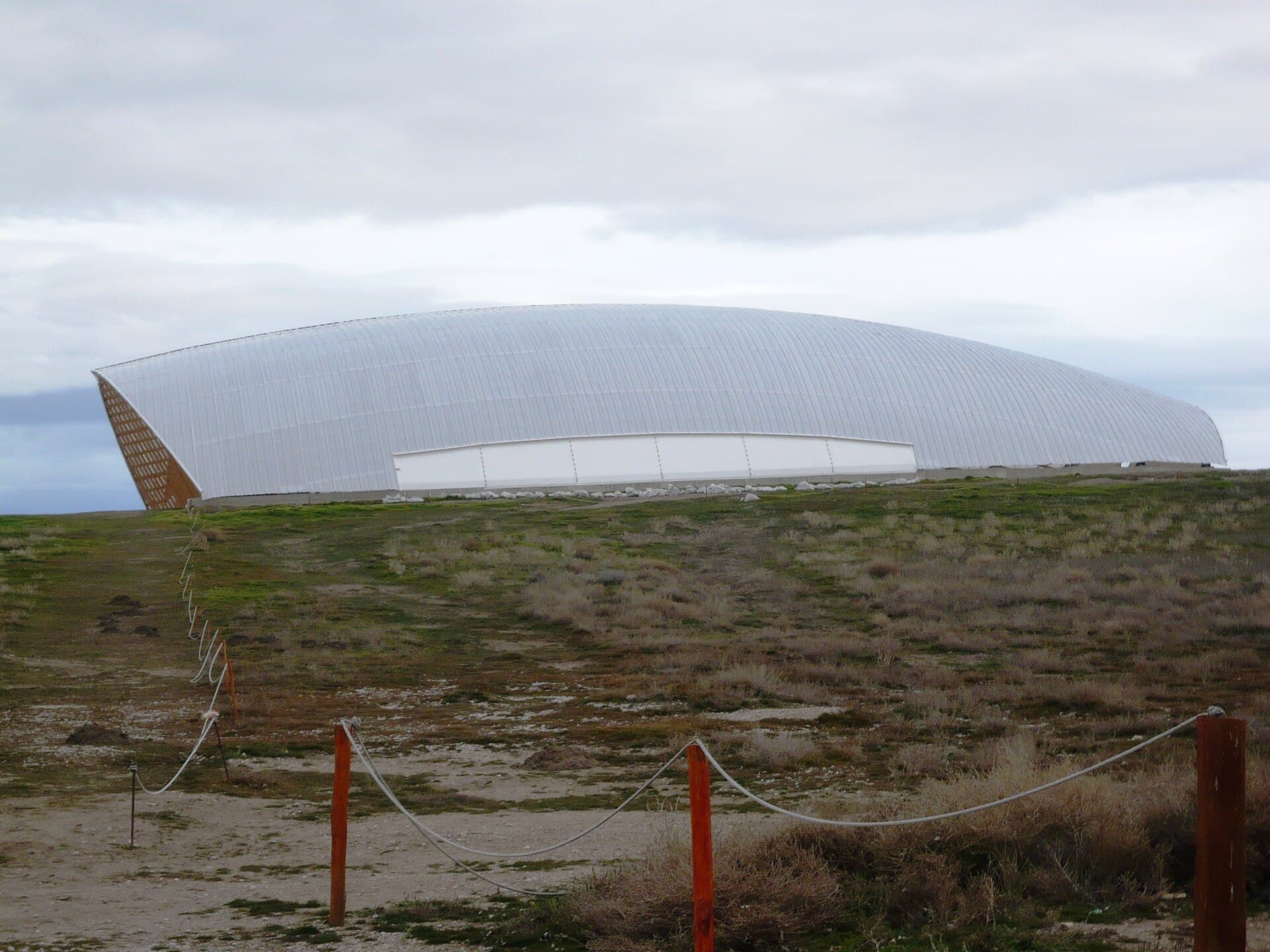
A museum with an underground reconstructed house opened on site in 2023, with a bookshop and café added in 2024, and a protective shelter covers the excavated area — though at least one report from mid-2026 found the North Shelter section temporarily closed, so confirm before you commit half a day to the trip.