Kültepe
A merchant's clay tablet from 1900 BCE is the oldest written sentence ever found in Anatolia — and it came from here.
Enough context, no spoilers
Why it matters
Kültepe is ancient Kanesh (Kaneš), seat of an Old Assyrian trading colony active roughly 1950–1750 BCE. Excavations since 1948 have recovered about 23,500 cuneiform clay tablets — merchant letters, contracts and accounts — the earliest written documents known from Anatolia. UNESCO inscribed the Kültepe tablets on its Memory of the World Register in 2015; the site has been on UNESCO's Tentative List since 2014.
What to know before you go
Kültepe is not a ruin built for visitors' eyes — it is a working excavation running, on and off, since 1948, and every digging season still adds tablets to the count. What makes it historically singular is not scale but text: the roughly 23,500 clay tablets recovered from the karum, the lower merchant district, are private business archives, not royal inscriptions. Letters between Assyrian traders in Aššur and their agents in Kanesh, shipping manifests for tin and textiles, loan agreements — the earliest detailed written record of daily life anywhere in Anatolia, predating the Hittites by centuries.
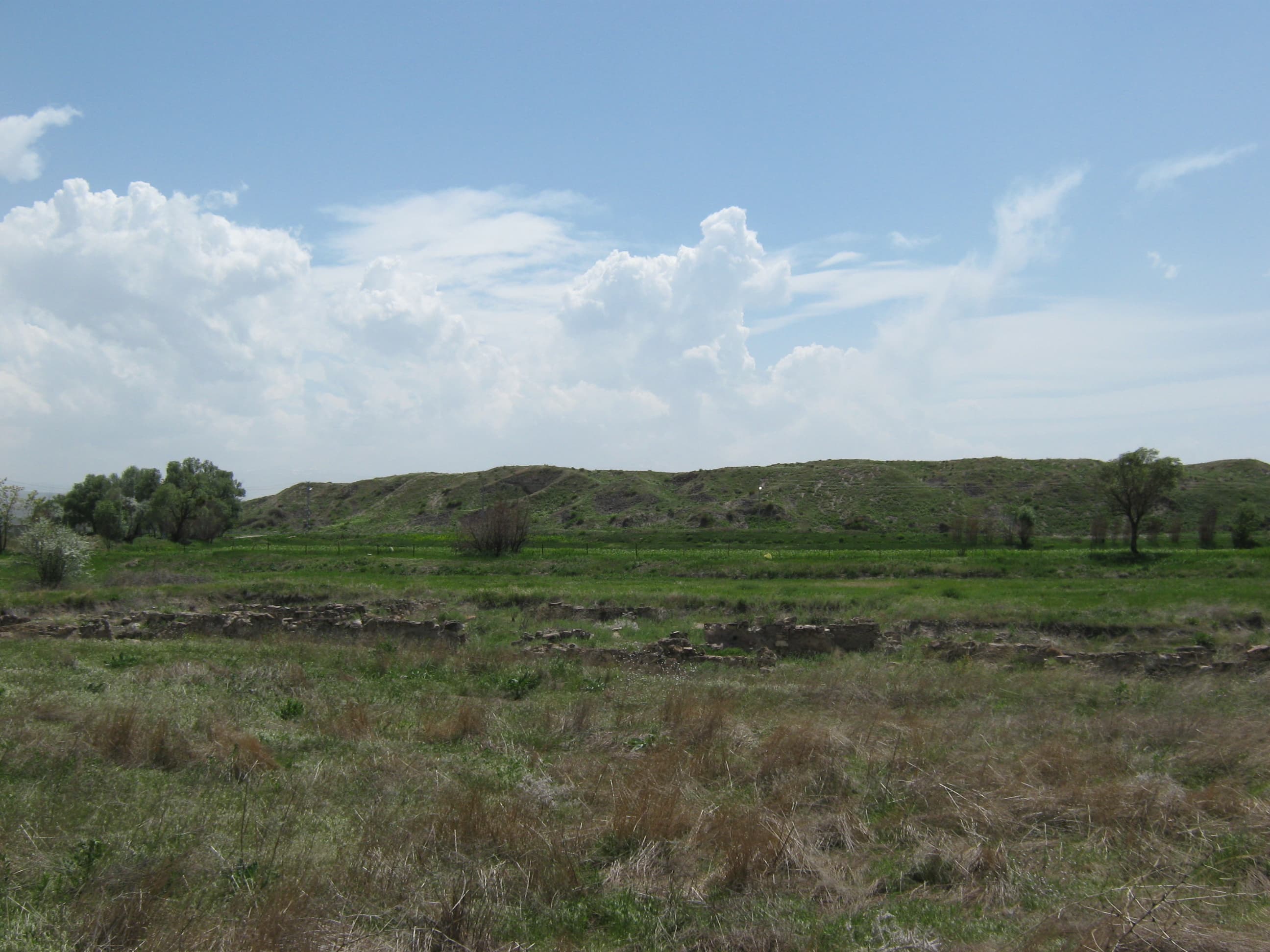
On site, expect an open mound and adjacent lower town with excavated house foundations and storage pits — informative, but this is archaeology in progress rather than a reconstructed monument. The tablets themselves are not displayed here; the best of them are in the Museum of Anatolian Civilizations in Ankara and the Kayseri Archaeology Museum in the city.
Budget 60–90 minutes on site. The approach road is signed off the Kayseri–Sivas highway; there is no shade and little visitor infrastructure, so a spring or autumn morning beats midday summer heat or winter mud.