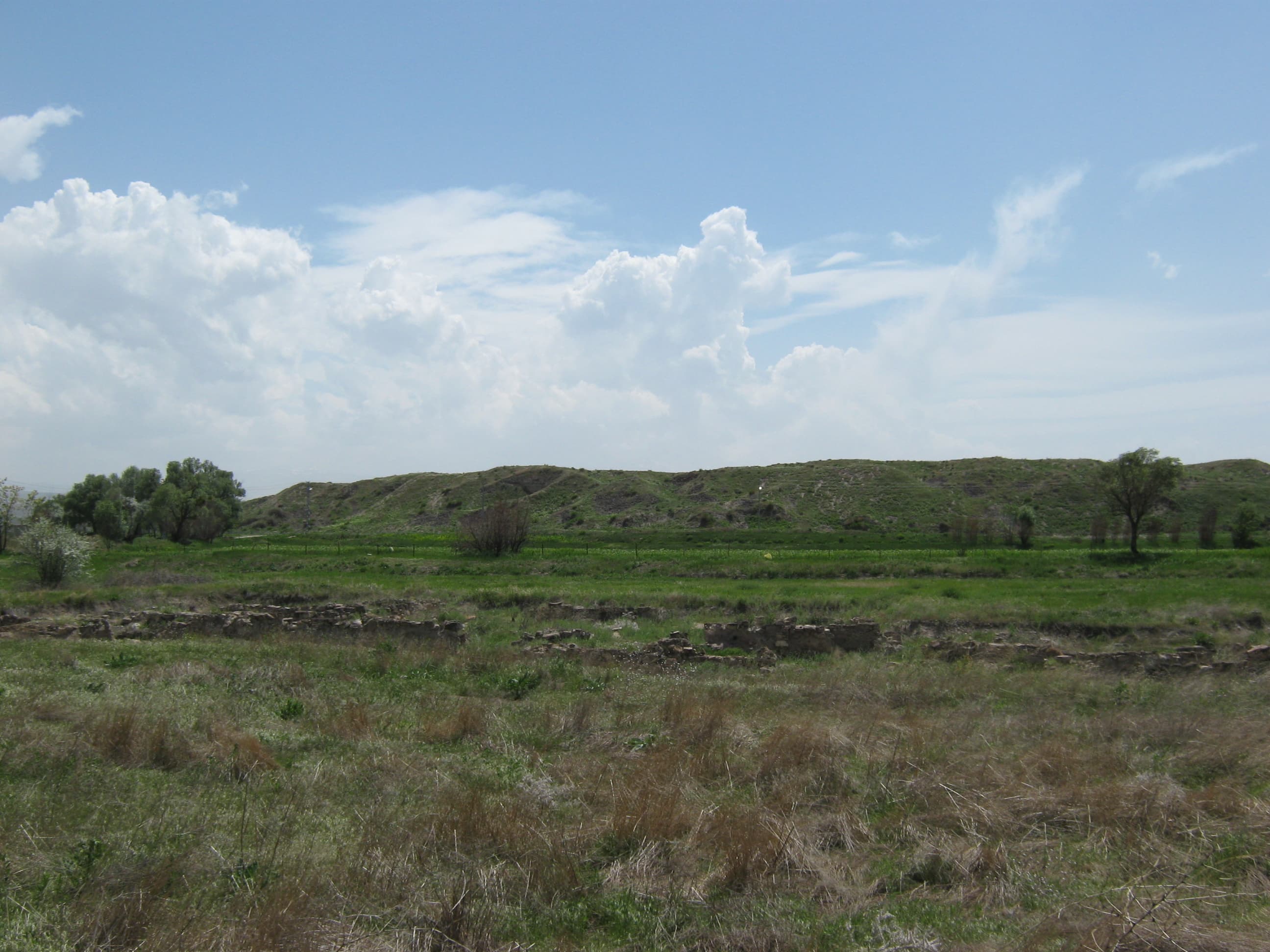
Kayseri sits on the central Anatolian plateau under Mount Erciyes, a city most travellers only pass through en route to Cappadocia. Its airport is Cappadocia's real front door, but the city holds an older story: 20 km northeast, Kültepe held the first written archive in Anatolian history. A day here pairs a UNESCO tentative-list dig with an Ottoman-Seljuk old town of black volcanic stone.
Shape your stay
Give Kayseri enough room.
Start with the time this destination realistically needs, then choose the details that make it yours.
Start with the essentials, add what genuinely interests you, and leave the rest for another visit. Every place includes a concise story, practical timing, a Maps link, and a one-tap route planner action.
Make the route work
Anticipate the practical details.
Getting there
Kayseri Erkilet International Airport (ASR) is served by Turkish Airlines, Pegasus, SunExpress, Corendon and AJet with frequent domestic links to Istanbul (both airports) and seasonal routes to coastal cities. Most Cappadocia-bound travellers fly into ASR and continue overland — this is the region's real gateway airport, not Nevşehir's smaller Kapadokya (NAV).
Getting around
Kültepe is about 20 km northeast of central Kayseri, off the Kayseri–Sivas highway. There is no direct public bus to the site; a taxi round trip or a rental car is the practical option. The old town — citadel, Grand Bazaar, mosques — is compact and walkable.
Money
Turkish lira. Cards are widely accepted in the centre; carry cash for the bazaar and any taxi to Kültepe, where card infrastructure is thin.
Connectivity
Turkish SIMs are sold at the airport and in the centre; 4G/LTE coverage is solid in the city and reaches Kültepe.
Etiquette
A conservative, workaday Anatolian city rather than a tourist town — dress modestly, especially around mosques and the citadel.
Safety and comfort
Low-crime provincial capital. The main hazard is winter driving on the plateau — icy roads between December and February.
A merchant's clay tablet from 1900 BCE is the oldest written sentence ever found in Anatolia — and it came from here.
Kültepe is ancient Kanesh (Kaneš), seat of an Old Assyrian trading colony active roughly 1950–1750 BCE. Excavations since 1948 have recovered about 23,500 cuneiform clay tablets — merchant letters, contracts and accounts — the earliest written documents known from Anatolia. UNESCO inscribed the Kültepe tablets on its Memory of the World Register in 2015; the site has been on UNESCO's Tentative List since 2014.
Small entrance fee; Müze Kart accepted
90 minNo public transport to the site — arrange a taxi, rental car, or tourLittle shade or shelter on site
Look for: The lower town (karum) where the merchant archives were found, distinct from the upper mound (höyük) where the ruler's palace stood — a short walk apart, both marked on site.
Accessibility note Uneven excavated ground and dirt paths; not easily wheelchair-accessible.
A black basalt citadel rebuilt by the Seljuks in the 13th century, still standing at the heart of the modern city's main square.
Kayseri Castle has origins traced to the Roman period, with the current walls largely the work of the Seljuk Sultan Alaeddin Keykubad I in the 13th century, built from local black volcanic stone. It anchors Cumhuriyet Meydanı, the city's central square, alongside the Grand Bazaar.
45 min
Look for: The black basalt walls and towers ringing the old citadel at the city's central square.