Kalkan Old Town
The quiet, upmarket half of this destination — stone lanes and rooftop dinners above a harbour once the only safe anchorage near Fethiye.
Enough context, no spoilers
Why it matters
Built by a Greek Orthodox fishing community that knew it as Kalamaki, left in the 1923 population exchange; Turkish families, many originally from Crete, resettled it. Cut off for decades once the coastal road bypassed it, it declined into a quiet backwater before rebuilding itself from the 1980s onward as a small, deliberately upscale resort, long dominated by British visitors and buyers.
What to know before you go
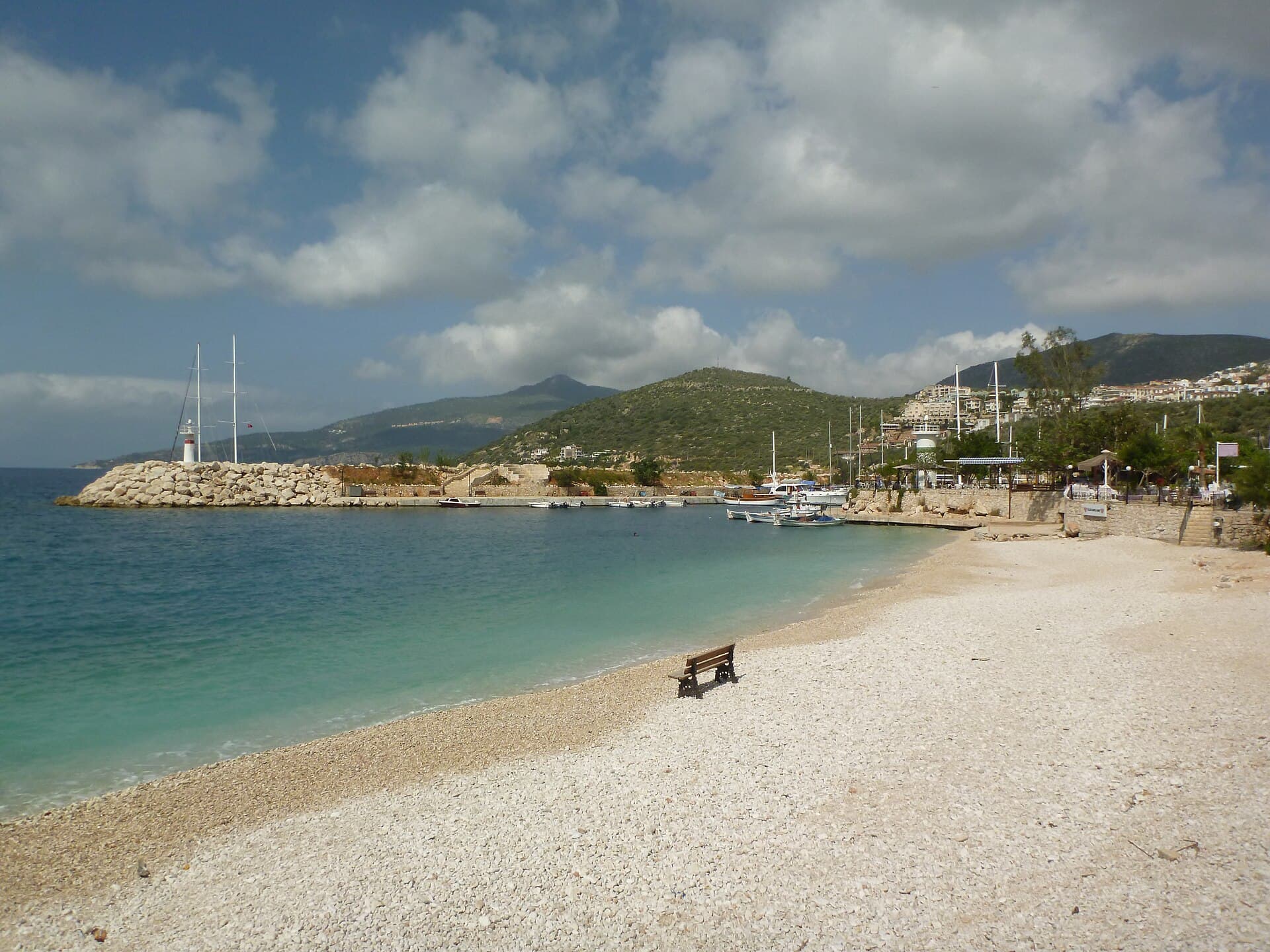
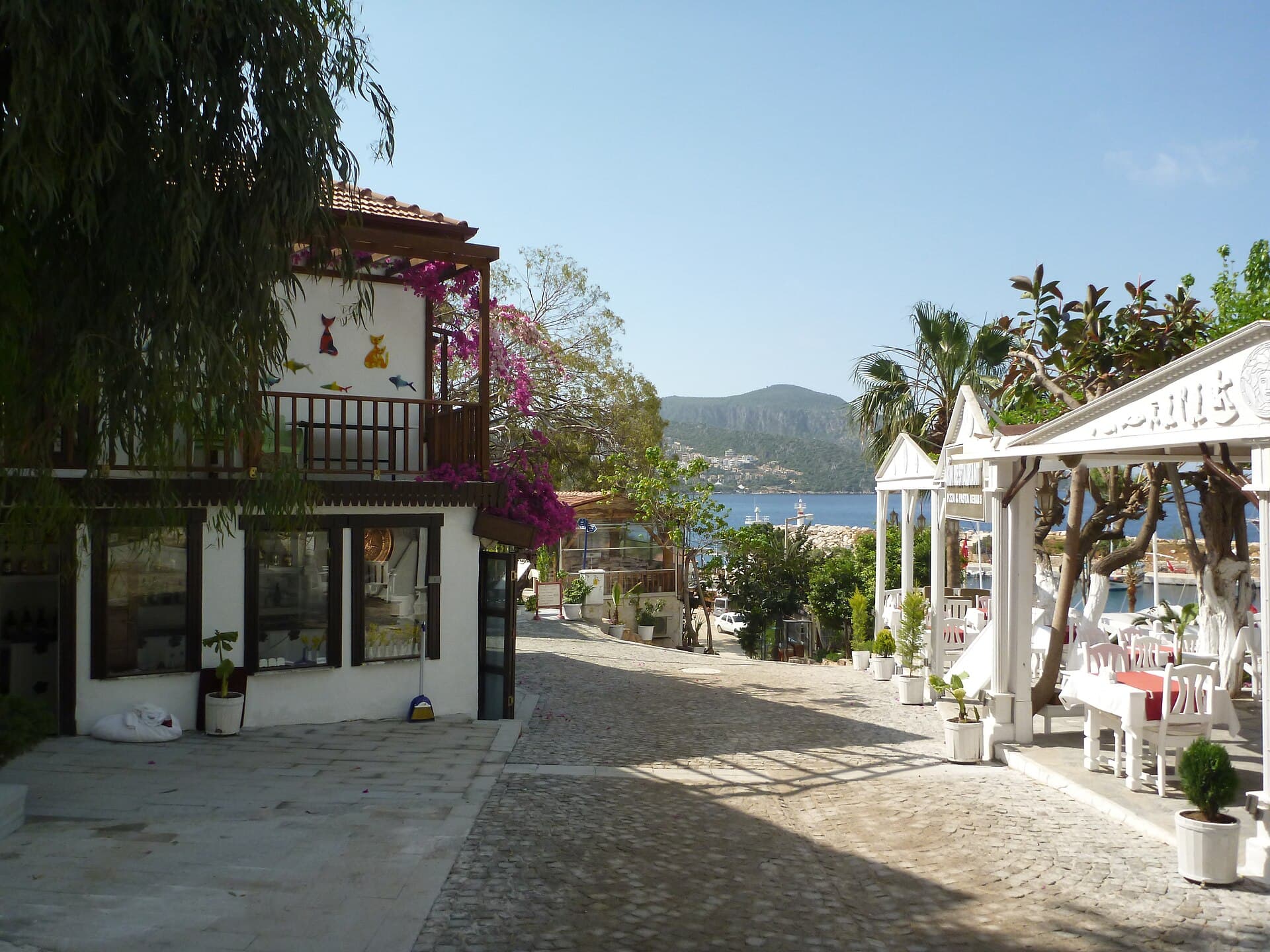
Kalkan is what Kaş isn't, on purpose, and the whole point of pairing this destination's two towns is that both choices are legitimate. Where Kaş is loud, cheap and dive-shop scruffy, Kalkan is quiet, expensive and considered — a compact old town of steep stone lanes, whitewashed and pastel two- and three-storey houses with carved wooden balconies, and bougainvillea doing exactly what bougainvillea is supposed to do against pale stone. It was a Greek Orthodox fishing village called Kalamaki until the 1923 population exchange, valuable mainly for one accident of geography: it's the only safe harbour on the whole stretch of coast between Kaş and Fethiye, which is the entire reason a town exists here at all. For decades after the exchange, once the coastal road bypassed it in favour of easier routes, Kalkan sat quietly and did very little. Its second life, from around the 1980s, was built almost entirely on British visitors and, later, British second-home buyers — a single-market tourism history unusual enough on this coast that it shaped the whole town, from menu language to the property agents on the harbour front. What that history bought Kalkan is restraint. There's no strip of neon bars here, no backpacker hostels; the harbour is lined with yacht moorings rather than dive boats, and the old town's hundred-plus restaurants lean toward rooftop tables, sea views and a bill that runs noticeably higher than Kaş's. It genuinely earns "boutique": small hotels in converted stone houses rather than resort blocks, cobbled lanes too narrow and too steep for coaches, and an evening rhythm built around a long dinner with a view rather than a bar crawl. Administratively it's now just a neighbourhood of Kaş district — it lost its separate town-council status in Türkiye's local government reorganisation of the early-to-mid 2010s — but nobody visiting would mistake the two places for the same kind of town. Base here if quiet evenings, good restaurants and a slower pace matter more to you than nightlife or being five minutes from a dive shop. The trade-off is real: everything this page covers outside Kalkan itself — Kaputaş, Patara, Xanthos, Kekova, the dive centres — is a drive either way, and Kaş, twenty-five minutes down the coast, is where most of that infrastructure actually lives.