St Peter's Church (Cave Church)
A 4th-century cave church that survived 2023's earthquake nearly untouched - one of the few Antakya sites you can visit as intended.
Enough context, no spoilers
Why it matters
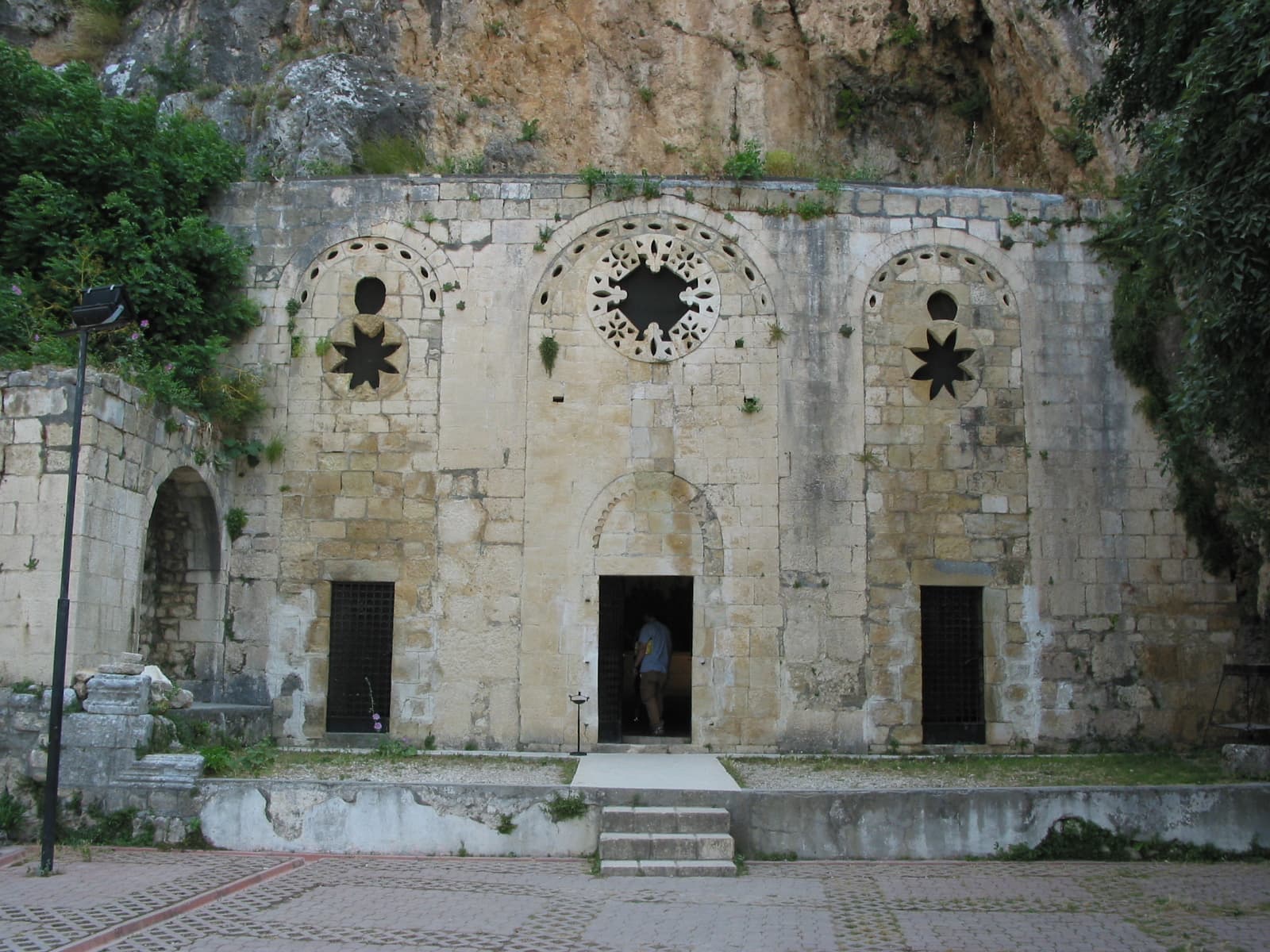
Tradition holds Peter preached to Antioch's early Christians here, in the city Acts 11:26 says first called believers Christians. The Gothic entrance facade was rebuilt in 1863 by Capuchin friars over the ancient cave core. A small Christian community still holds services here, including Christmas Eve 2025 - religious life survived the 2023 earthquake alongside the stonework.
What to know before you go
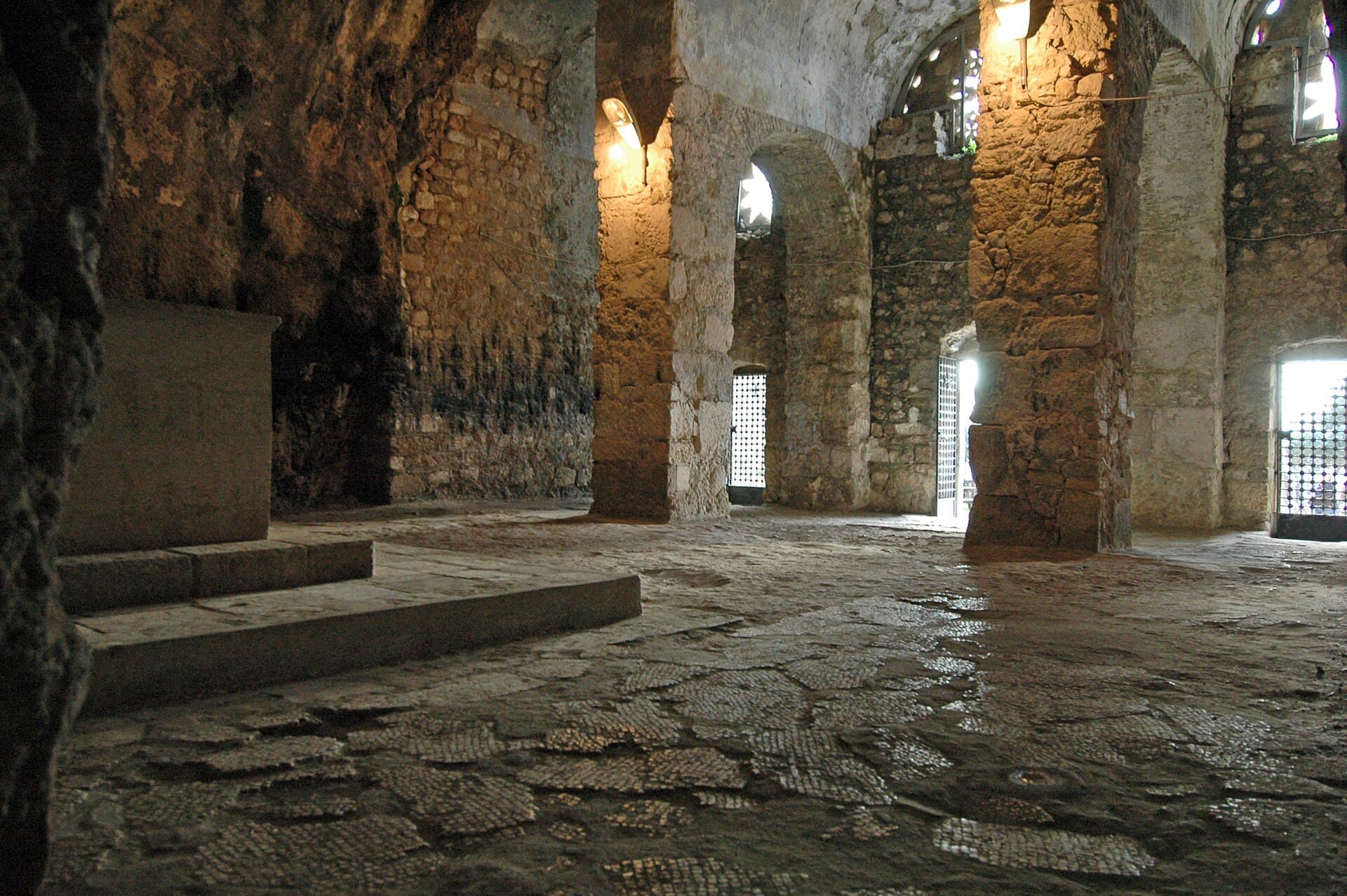
St Peter's Church sits inside a natural cave cut into the rock above old Antakya, and its survival is the exception that makes the rest of this guide's earthquake caveats sharper by contrast: the 2023 quake that flattened most of the historic city core left this rock-cut structure - built directly into the mountain rather than freestanding - almost entirely intact, with only a modern retaining wall damaged. Tradition holds that Peter himself preached here to Antioch's early Christian community, in a city the Book of Acts names as the place believers were first called Christians (Acts 11:26); whether or not Peter used this exact cave, the site has been venerated as a place of Christian worship for many centuries, which is itself remarkable continuity. What you see today is largely a 19th-century layer over an ancient core: the ornate Gothic-arched entrance facade was rebuilt in 1863 by Capuchin friars, giving the cave a formal church front it wouldn't have had in antiquity, while the interior nave still reads as unmistakably a cave - rough rock overhead, a long narrow hall running back into the hillside. Fragments of an early mosaic floor survive inside, and a narrow tunnel toward the rear reportedly served as an escape route in periods of persecution, though its exact age and function aren't fully documented. This isn't a museum piece frozen in the past: a small Christian community still uses the church for services, including a Christmas Eve mass held here in December 2025 - meaning the site's religious life survived the earthquake alongside its stonework, at a moment when so much of the city's other historic and religious architecture did not. Visit with that context in mind rather than treating it as one more ruin to check off: this cave has been in continuous or near-continuous religious use for longer than almost anything else standing in Antakya today, earthquake or no earthquake.